Unhyeongung: A Deep Dive into Joseon's Royal Legacy and Spring Plum Blossoms
- 📍 The Main Draw: A rare look at a royal private residence where the architecture and seasonal plum blossoms steal the show.
- 🍴 How hard is the walk? Very easy—the paths are flat and perfect for a slow stroll with family or friends.
- ⏰ When to go: Aim for a weekday morning around 10:00 AM to beat the crowds, or plan a trip between late March and early April for the flowers.
- 💡 A little insider advice: While most people head straight to the big palaces, start your morning here for that quiet 'go-jeok-ha-da' feeling before moving on to the larger crowds at Changdeokgung nearby.
A different kind of palace experience in the heart of Seoul 📍
It is easy to think of Unhyeongung as just another royal stop, but this place is actually a 'Sajeo,' a private residence that served as a major political hub during the late Joseon Dynasty. It sits just a short walk from the busy streets around Anguk Station, and it gives you a much more personal look at the life of Heungseon Daewongun, who was the father of King Gojong. While places like Gyeongbokgung are grand and sprawling, Unhyeongung feels much more like a home, filled with stories of daily life and family history. Whether you are coming to see the first plum blossoms of spring or just want to sit among the 160-year-old wooden beams, it offers a solid sense of Korean heritage without the usual swarm of tourists you find elsewhere.
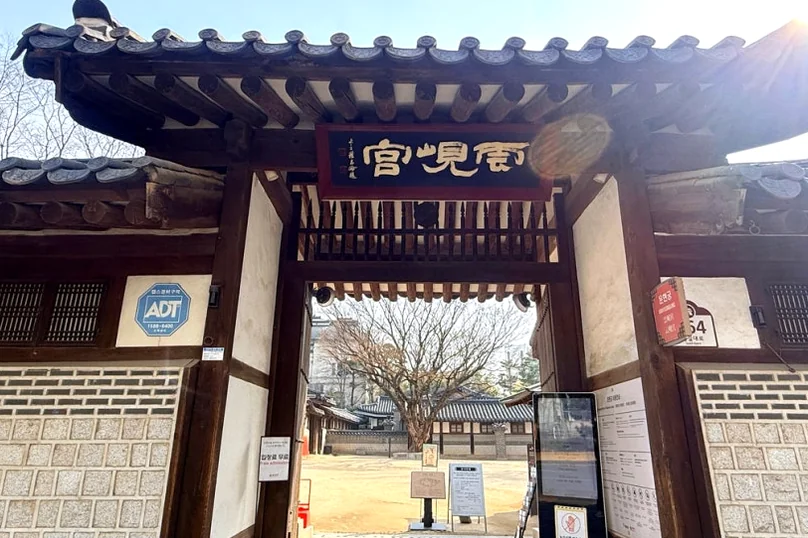
Walking through the home where a king grew up 🏯
When you walk through the main gate, the first thing you notice is the heavy stone walls and the dark, dignified plaque hanging above. This is the house where King Gojong spent his childhood until he was 12 years old, and because of that royal tie, the home was eventually expanded and treated with the respect of a palace. As you pass the entrance, you can see the Sujiksa on your right, which was the building where guards and staff lived while they kept watch over the estate. There is a weight to the air here that feels different from the official government buildings of the bigger palaces; it feels lived-in, as if the wooden frames are still holding onto the memories of the 19th-century politics that happened within these walls.
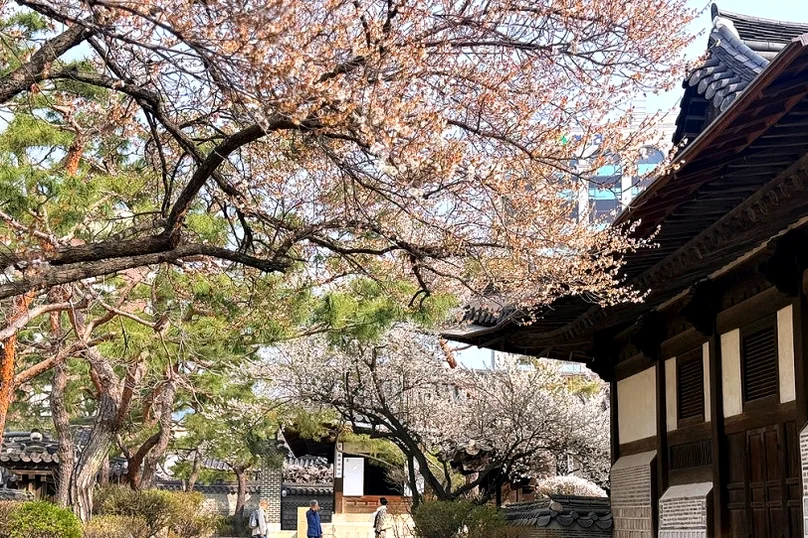
When the plum blossoms meet the old wooden eaves 🌸
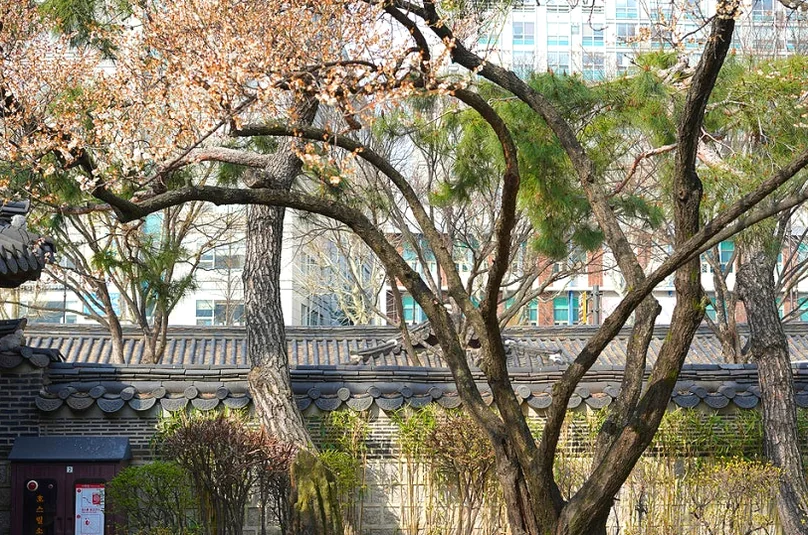
You can visit Unhyeongung any time of year, but it really comes alive during that short window between March and April. The plum blossoms here might not get as much attention as the famous red trees at Changdeokgung, but they have a quiet, clean beauty that is hard to beat. Seeing the white and pink petals drift against the dark, traditional Hanok walls is one of those scenes that feels truly Korean. I have spent time watching how the morning sun catches the flowers and the aged texture of the wood, and it is the kind of detail that a photo never quite captures perfectly. It is a moment of real peace—what we call 'go-jeok-ha-da'—where the noise of the city just disappears and you are left with the sound of the wind through the trees.
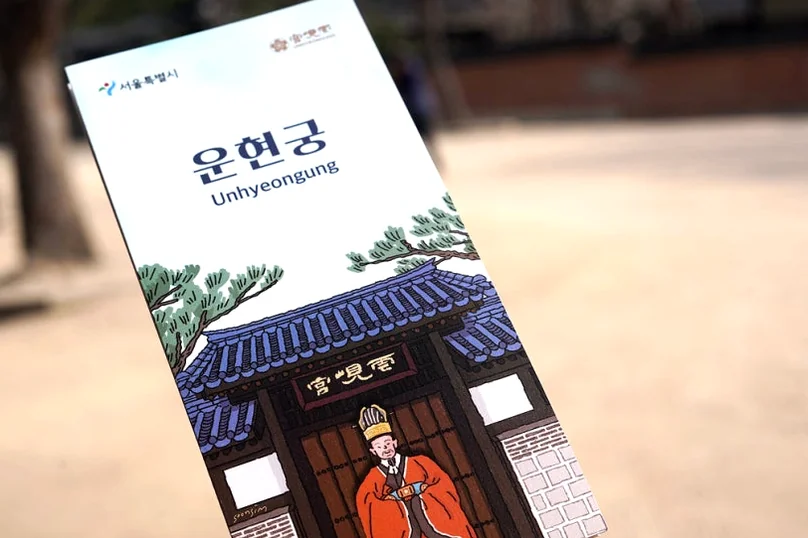
What to look for in the main buildings
The layout of the grounds is built around a few important structures, namely Noan-dang, Norak-dang, and Iro-dang. Noan-dang was the main living space for Heungseon Daewongun and where he handled his political business, while Norak-dang is the biggest building on the site, famous for being the spot where King Gojong and Empress Myeongseong held their royal wedding back in 1866. 🌟 A quick tip: Make sure to find Iro-dang, which served as the private quarters for the women of the house. It is built in a closed square shape to keep things private and quiet, which really shows you how people lived according to the social rules of that time.
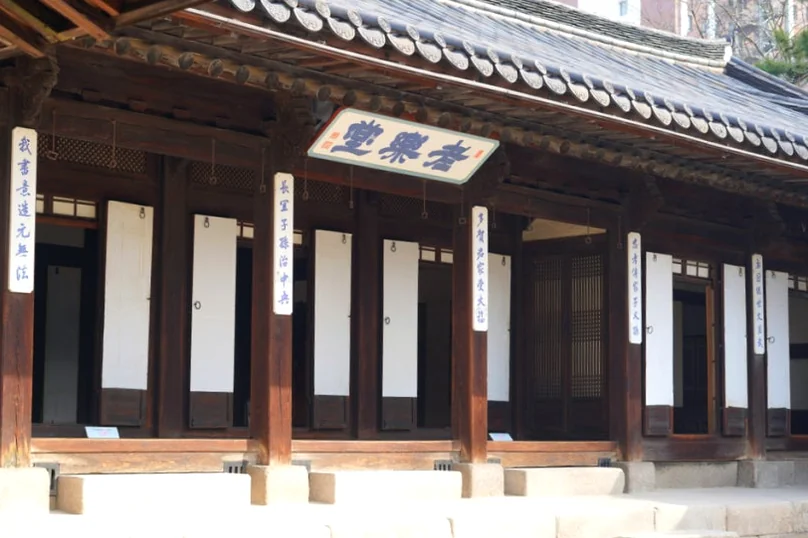
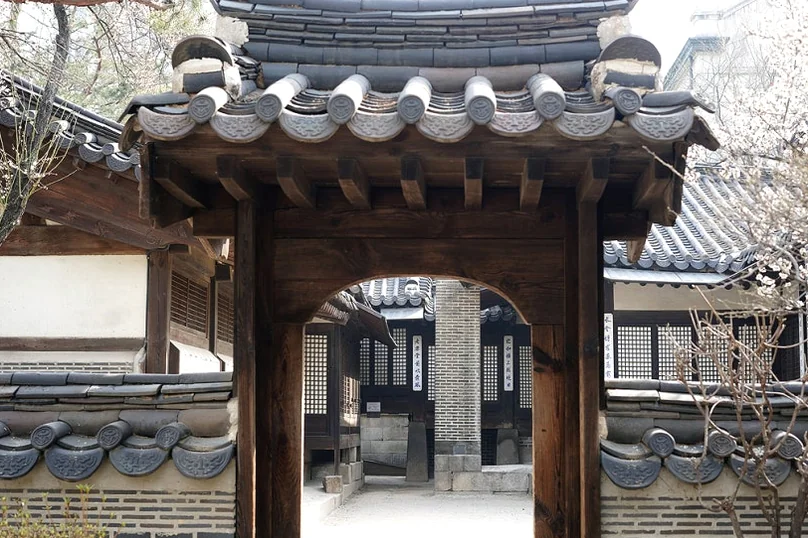
Appreciating the raw texture of traditional wood and stone 🪵
You can really see the skill of the builders in the way the wooden plaques are hung and the detailed lattice work on the paper doors. Unlike the bright, multi-colored 'Dancheong' paint you see on royal structures, Unhyeongung stays with a more natural look of dark wood and grey stone, which really lets the architecture speak for itself. As you wander around, you will find small wooden gates framed by brick walls that make for great photos, leading you from one courtyard to another like you are discovering a secret. It is the kind of space that makes you want to slow down and notice the small things, like the way the tiled roofs curve or how the foundation stones are set into the earth.
Getting here and finding a spot to park
One of the best things about Unhyeongung is how easy it is to get to, since it is literally a minute away from Anguk Station on Line 3 (use Exit 4). If you are thinking about driving, keep in mind that the site itself doesn't have its own parking lot. 🌟 Local Insight: Most people who live around here will use the parking at Nakwon Instrument Arcade or nearby hotels if they have the right credit card perks. That said, since it is right in the middle of Jongno, taking the subway is usually the better call so you can walk over to Ikseon-dong or Insadong afterward without worrying about your car.
A few final thoughts 🌿
Unhyeongung is a great reminder of a turning point in Korean history, all wrapped up in the quiet beauty of an old family home. It is a nice escape for anyone who wants to see the deeper side of Joseon culture without dealing with the usual tourist traps. Since it is so close to everything else in the city center, it is a really easy and worthwhile addition to any afternoon spent exploring downtown Seoul.
FAQ
- Is there an entrance fee? No, it is completely free to enter, which makes it one of the best cultural deals in the city.
- When is it closed? Like most cultural sites, it is closed every Monday. If a holiday falls on a Monday, it usually stays open and closes on Tuesday instead.
- Can I see king-related artifacts here? Yes, there is a small exhibition hall on the grounds that has replicas of the clothes and household items used by the royal family and Heungseon Daewongun.
📅 Local Weather Guide
Seoul Weather🌐 Read this post in other languages:
• 🇯🇵 日本語版 (Japanese Version)
Join the conversation