The Vertical Elegance of 죽녹원: A 2026 Masterclass in Bamboo Minimalist Living
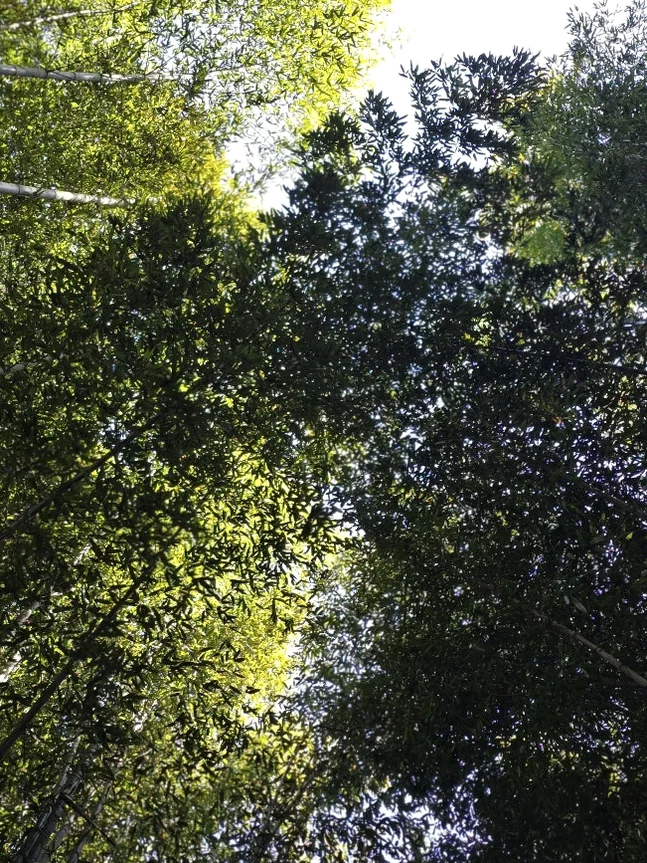
True luxury in the modern age is not defined by excess, but by the absence of noise. In the quietude of Damyang, the architecture is not built of stone or steel, but of the rhythmic, vertical cadence of Wangdae bamboo. As we navigate the 2026 season, Juknokwon stands not merely as a park, but as a choreographed landscape where nature dictates the spatial flow. Spanning a vast 160,000 square meters, this sanctuary offers a masterclass in minimalist aesthetics, where the only decor is the play of light through a dense, emerald canopy. To step into Juknokwon is to surrender the visual clutter of the city for a monochromatic green world that demands immediate presence.
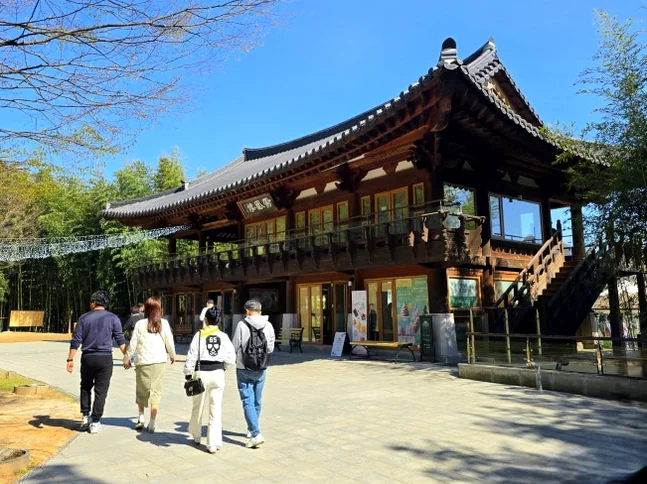
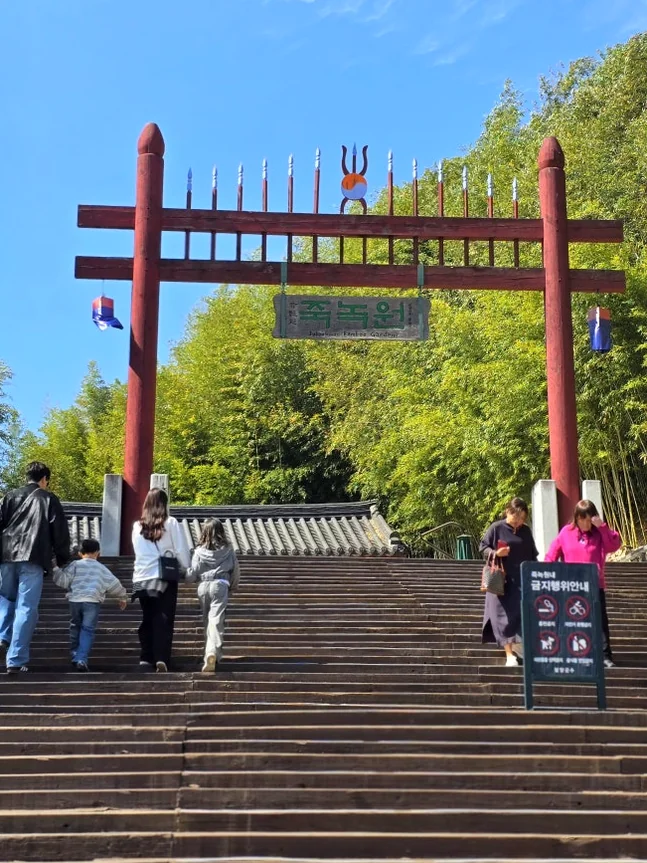
The entrance experience is a deliberate transition, a ritual of shedding the external world. The grand red gate, a traditional architectural marker, signals the boundary between the mundane and the meditative. As you ascend the wooden stairs, the temperature drops noticeably—a natural refrigeration caused by the oxygen-rich breath of the bamboo. This thermal shift is the first sensory cue that you have entered a space governed by different laws of physics and time. The spatial choreography here is intentional, guiding visitors toward the Bonghwang-nu pavilion, a structure that serves as a visual anchor against the towering stalks, grounding the ethereal height of the forest.
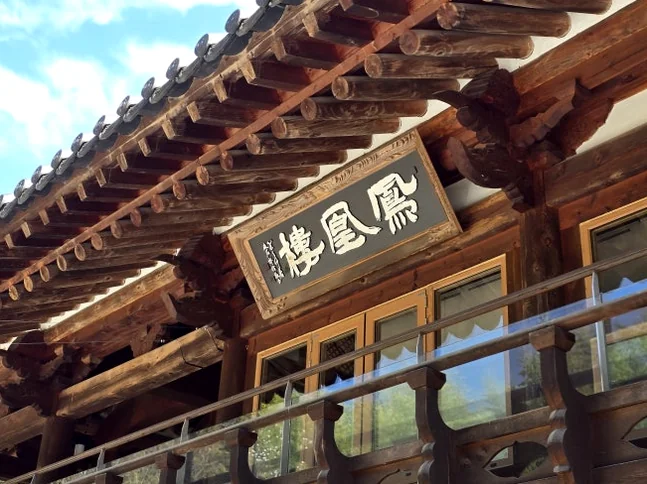
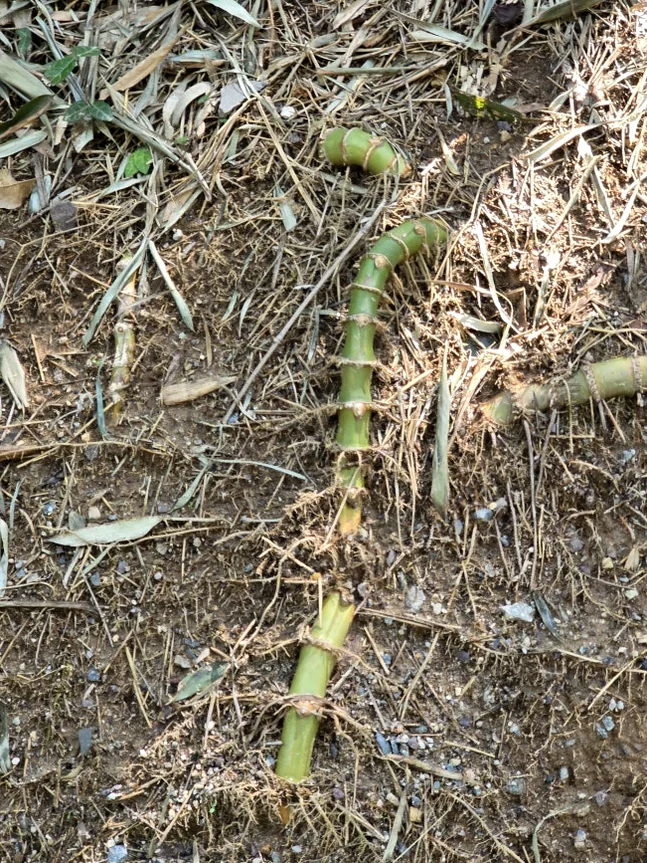
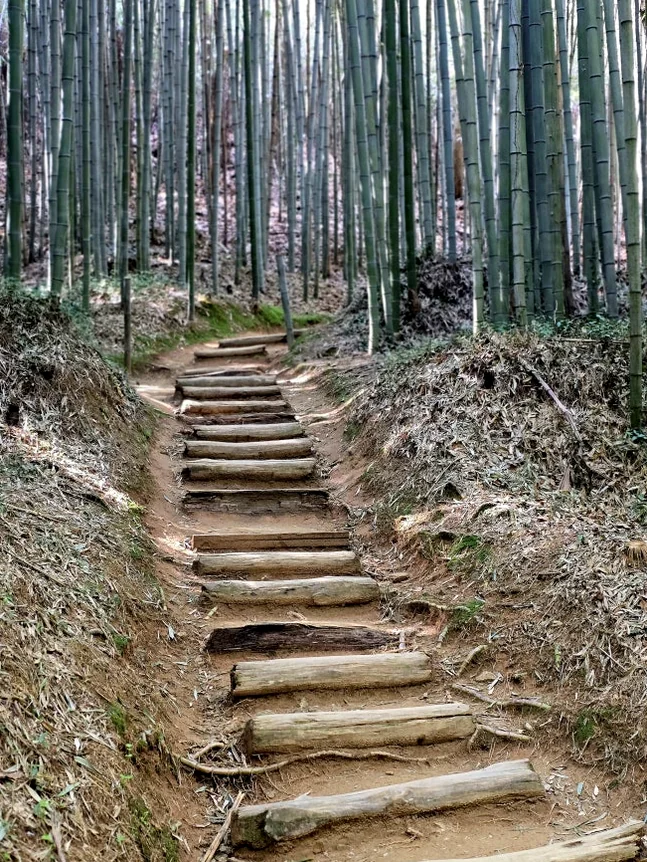
Beyond the architectural threshold lies the heart of the forest, partitioned into eight distinct thematic paths that function as movements in a symphony. Whether one chooses the Philosopher’s Path or the Path of Eternal Love, the experience is defined by the sound of bamboo wind—a rustling so specific to this species that it has been recognized for its psychoacoustic healing properties. The 2026 landscape design emphasizes this auditory experience, maintaining rustic wooden steps and soft earth trails that minimize the sound of footsteps, allowing the forest's own voice to dominate the narrative. For the discerning critic, the Lee Lee-nam Media Art Center within the grounds offers a fascinating juxtaposition, where digital interpretations of nature meet the living, breathing reality of the grove.
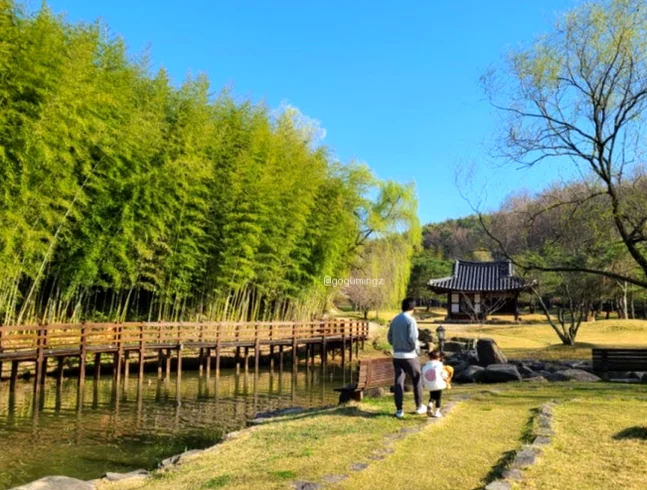
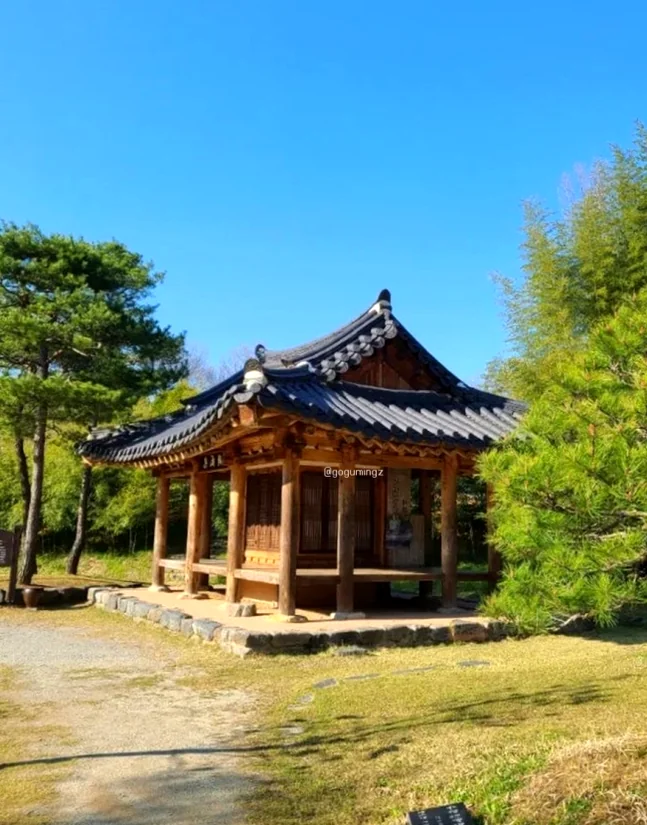
Architecture within Juknokwon is used sparingly but with high impact, respecting the Korean philosophy of Pung-ryu—the art of enjoying the elegance of nature. Traditional pavilions are strategically placed at junctions where the forest opens into clearings or overlooks. These structures are not merely places to rest; they are frames for the landscape. The pavilions reflected in the calm ponds of the garden area offer a perfect symmetry that resonates with the heritage of Damyang’s Gasa literature. The synergy between the dark wood of the Hanok and the vibrant green of the bamboo creates a color palette that is both grounding and invigorating, proving that the most sophisticated designs are often those that let nature take the lead.
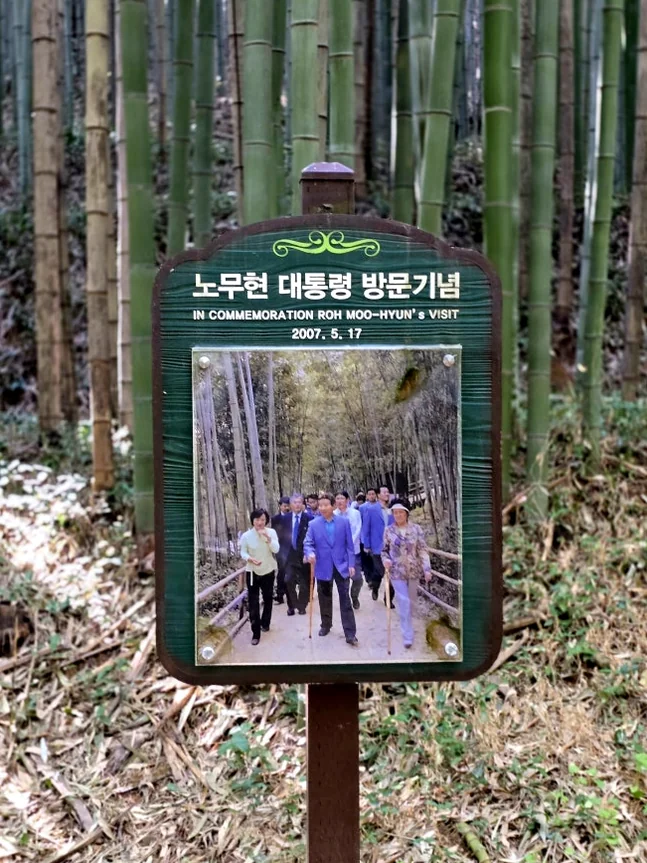
Cultural depth is woven into the very roots of the forest. Near the trails, one may find memorials and plaques that ground the ethereal forest in historical context. This intersection of the timeless and the temporal is what gives Damyang its unique gravitas. In the 2026 season, we observe a resurgence in Slow Tourism, where visitors seek these quiet markers to reflect on the continuity of Korean culture within the natural world. It is a space where the scent of Juk-hyang—the bamboo fragrance—acts as a sensory bridge between the past and the present, offering a rare opportunity for introspection in an increasingly loud world.
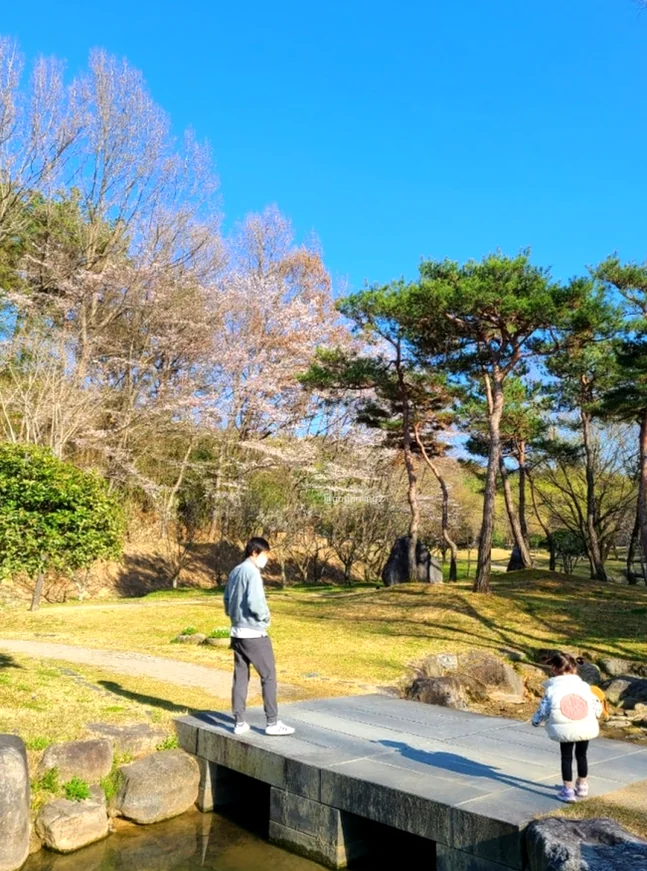
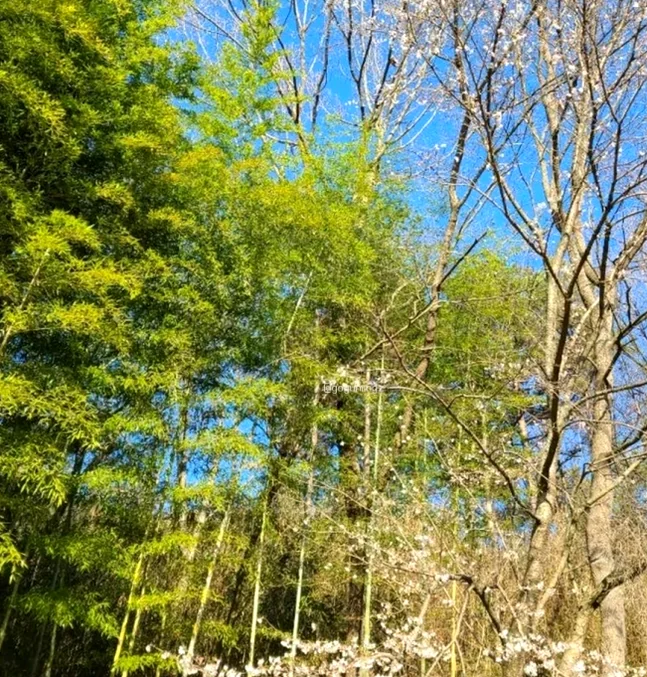
Spring in Juknokwon introduces a delicate contrast to the monolithic green. While the bamboo remains steadfastly evergreen, the surrounding gardens burst into bloom. Cherry blossoms and seasonal flora provide a fleeting, soft texture against the rigid verticality of the stalks. This seasonal duality is why Juknokwon remains a premier destination for global enthusiasts—it offers the permanence of the forest alongside the ephemeral beauty of the Korean spring. It is a reminder that even within a space designed for stillness, growth is constant and evolution is inevitable.
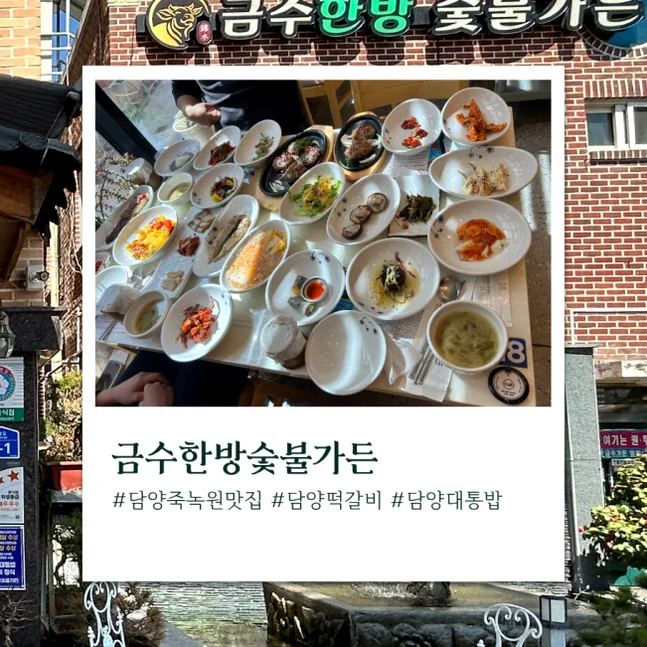
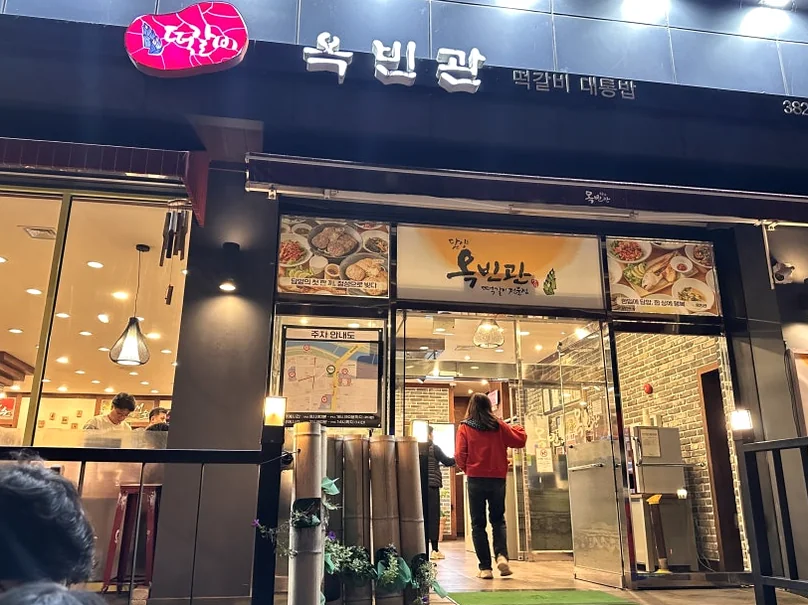
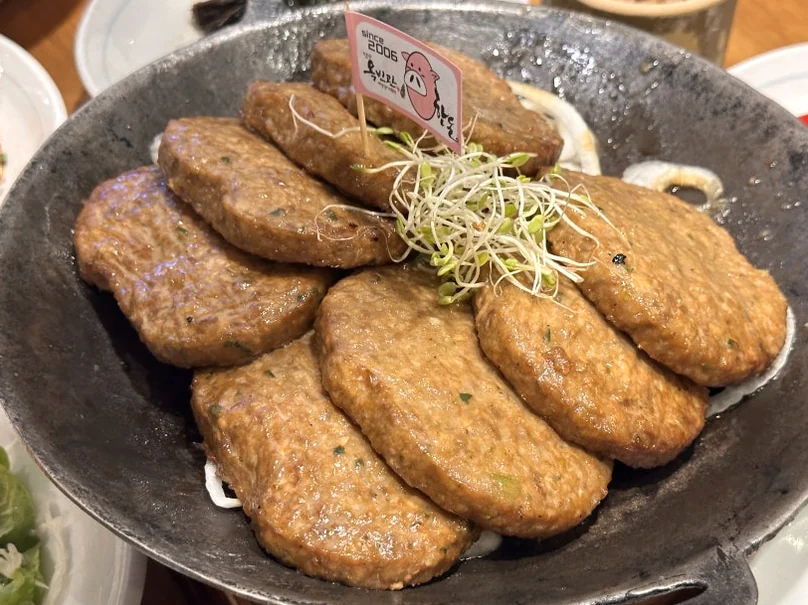
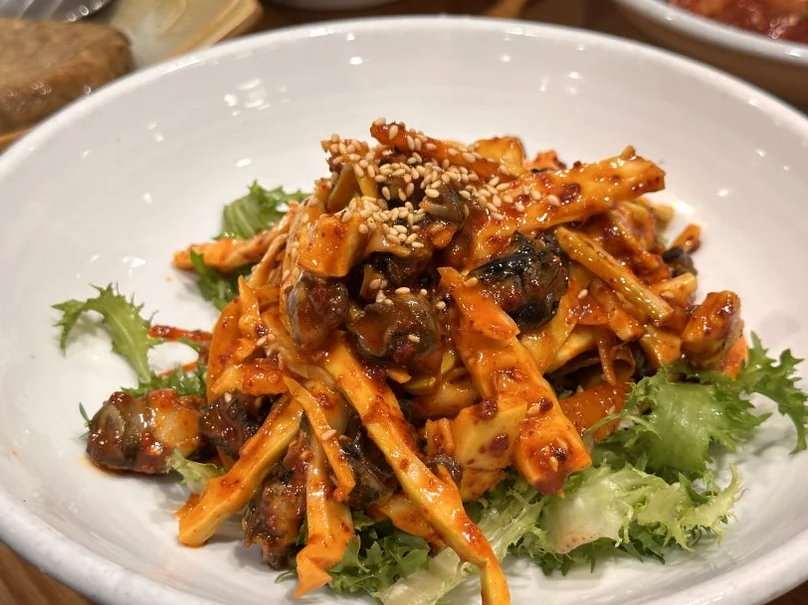
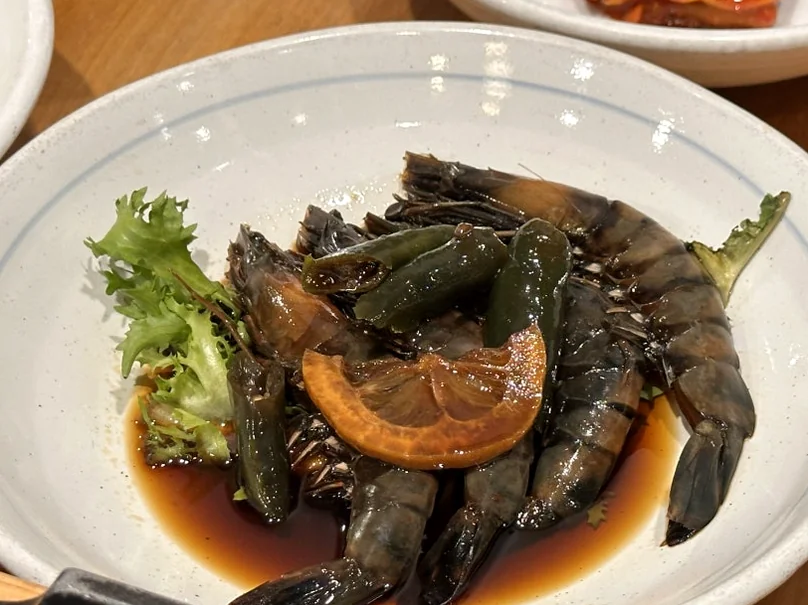
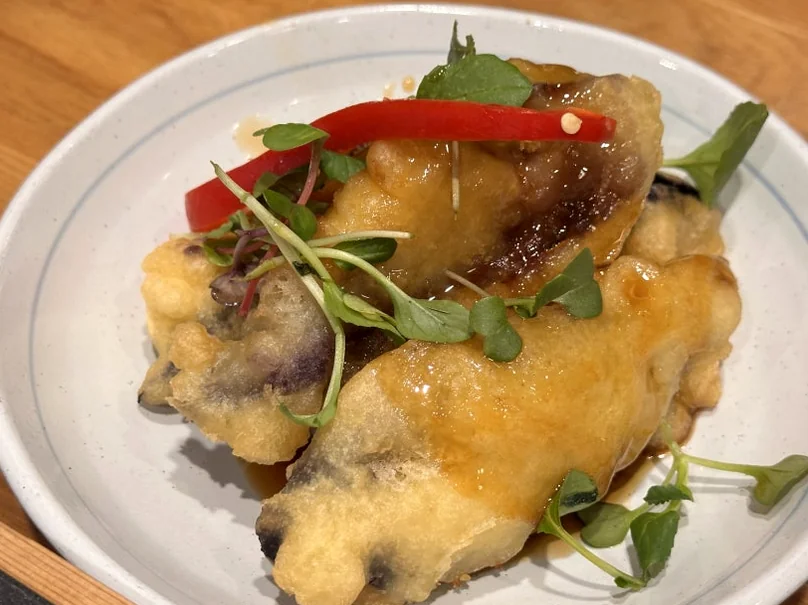
A visit to Juknokwon is incomplete without engaging with Damyang’s culinary heritage, which is a direct extension of the forest's bounty. Establishments like Okbin-gwan, located just moments from the entrance, serve the definitive Tteok-galbi—grilled short rib patties that achieve a perfect balance of smoky char and succulent texture. In 2026, the culinary focus has shifted toward hyper-local sourcing. Bamboo shoots and Daetong-bap, rice steamed inside bamboo tubes, are served alongside an array of refined side dishes like soy-marinated raw shrimp and seasoned snail salads. This is not mere sustenance; it is a multi-sensory conclusion to the forest journey, where the land’s flavors are as sophisticated as its views.

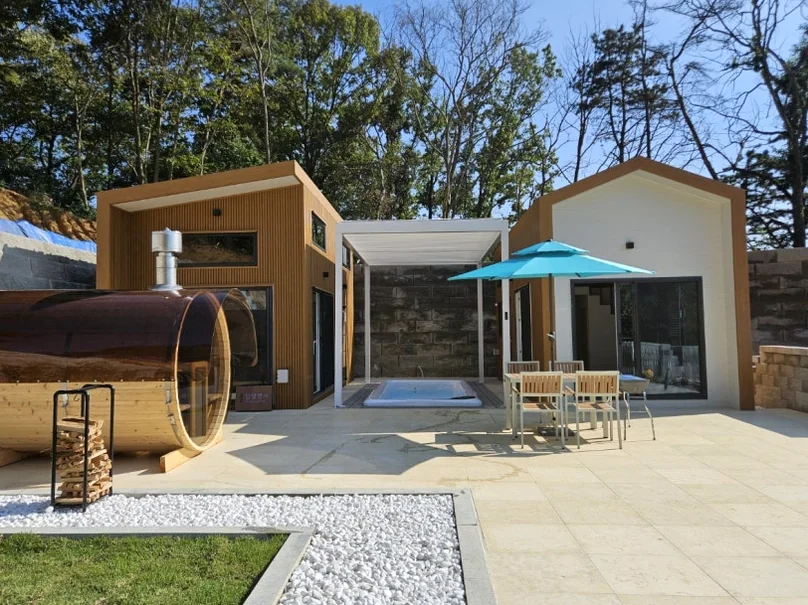
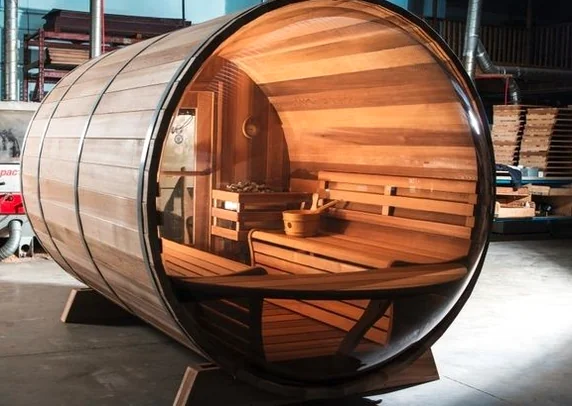
For the sophisticated traveler, the 2026 stay experience in Damyang has evolved toward the Second House philosophy. Contemporary private villas now offer a seamless blend of luxury and nature. These accommodations feature minimalist architectural lines, private pools, and authentic Finnish-style barrel saunas crafted from aromatic cedar. The design intent is to provide a domestic sanctuary that mirrors the tranquility of Juknokwon, allowing the guest to transition from a public forest to a private one without breaking the aesthetic spell. It is the ultimate expression of the Damyang lifestyle: private, serene, and deeply rooted in quality craftsmanship.
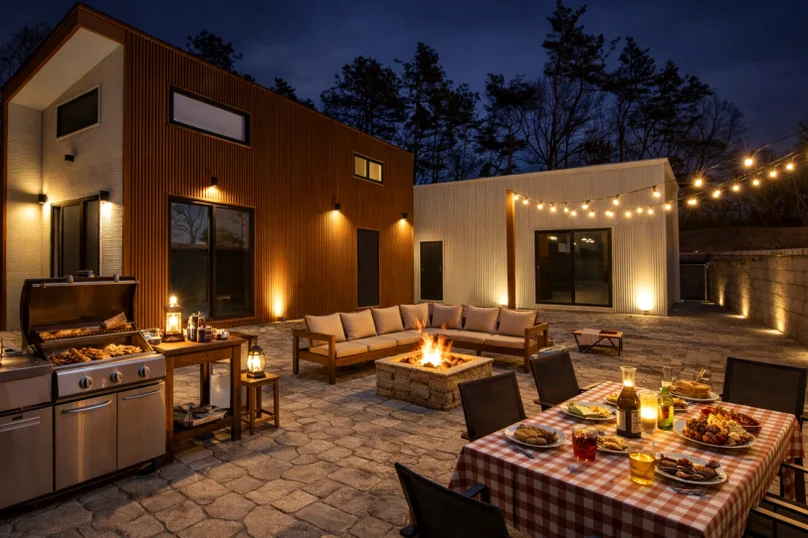
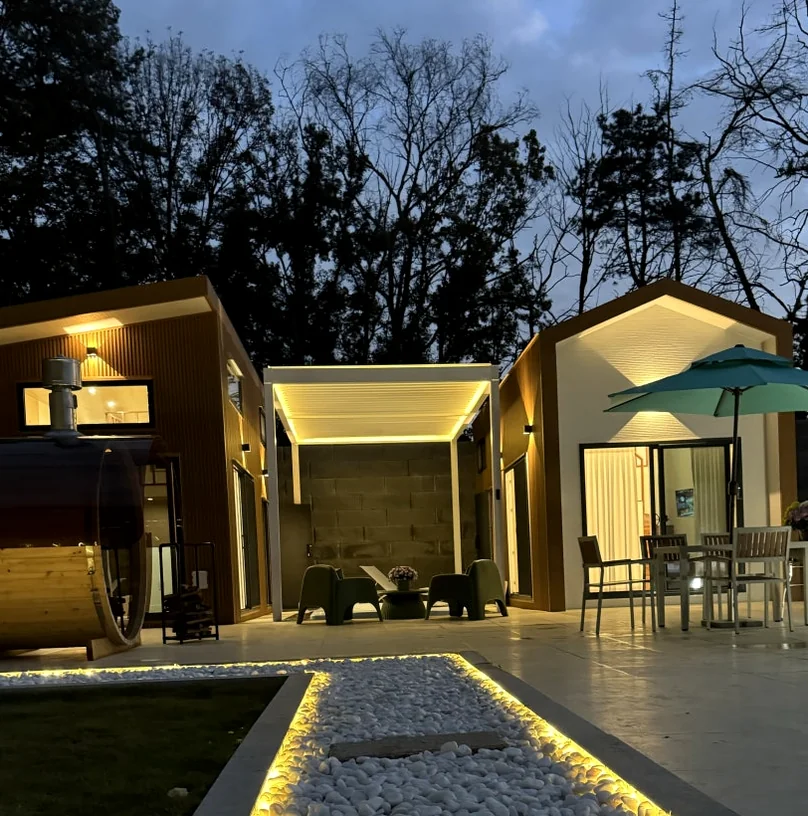
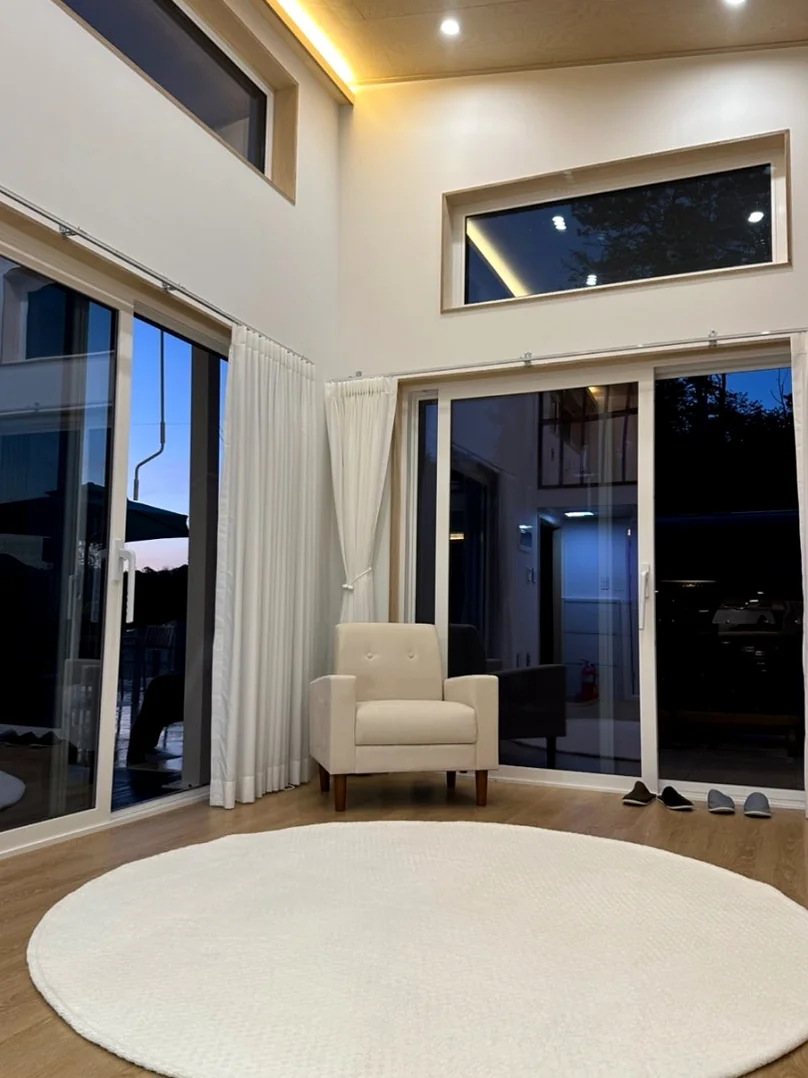
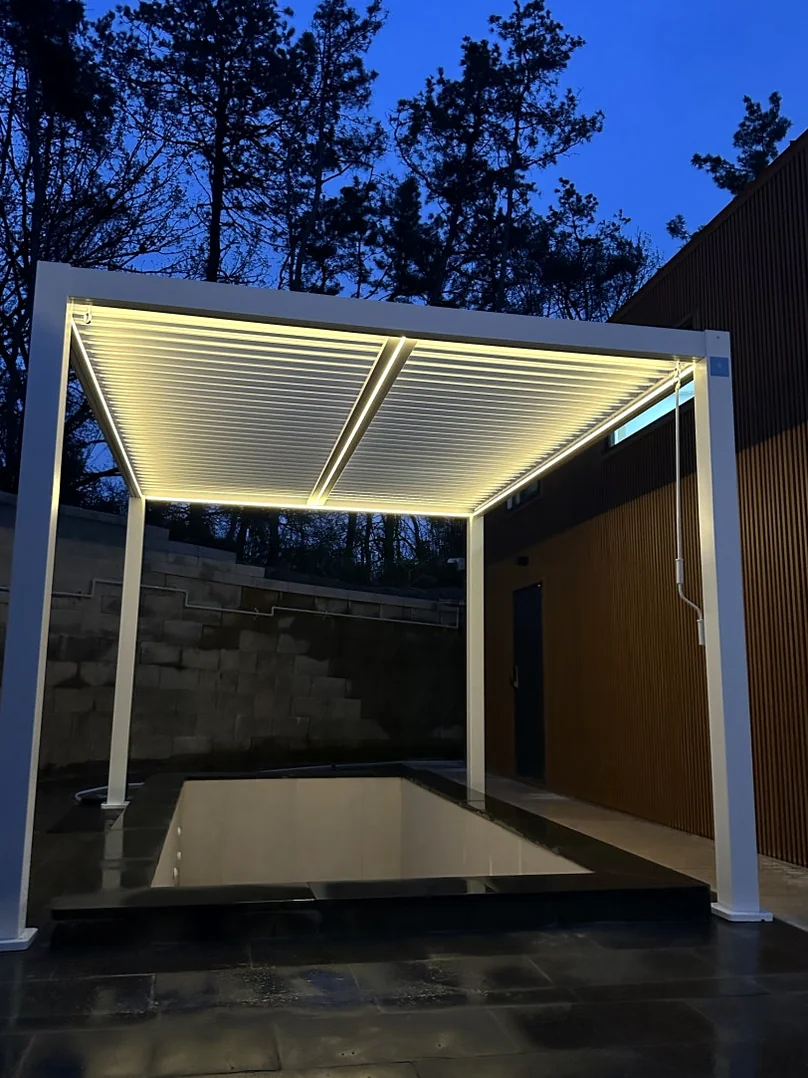
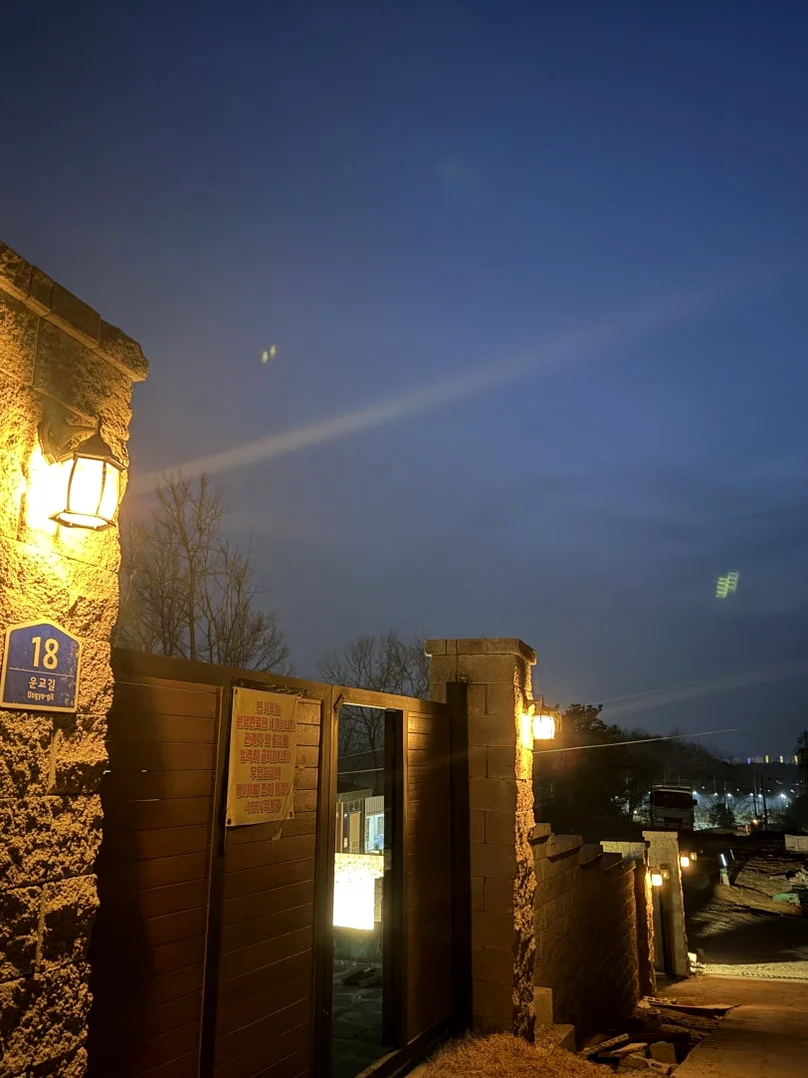
As night falls over the Damyang landscape, the integration of light and shadow becomes the final architectural element. Subtle pathway lighting and the warm glow of villa entrances create an atmosphere that is both safe and mysterious. Juknokwon is not merely a destination; it is a ritual of slowing down, a necessary recalibration for the modern soul in the 2026 era. From the meta-sequoia lined paths to the traditional Hanok details, every element serves a singular purpose: to bring the verticality of nature into harmony with the horizontal peace of the human spirit. This is the enduring allure of Damyang.
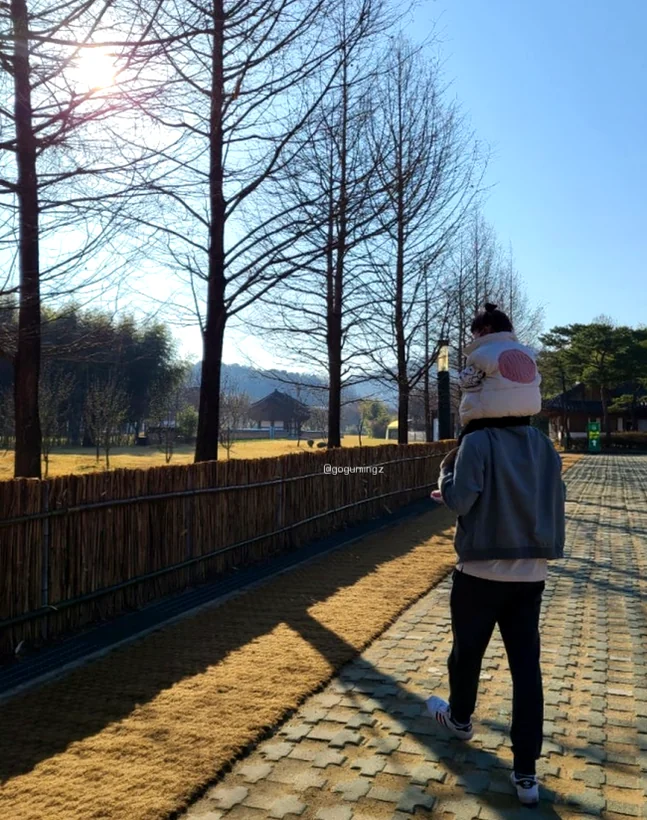
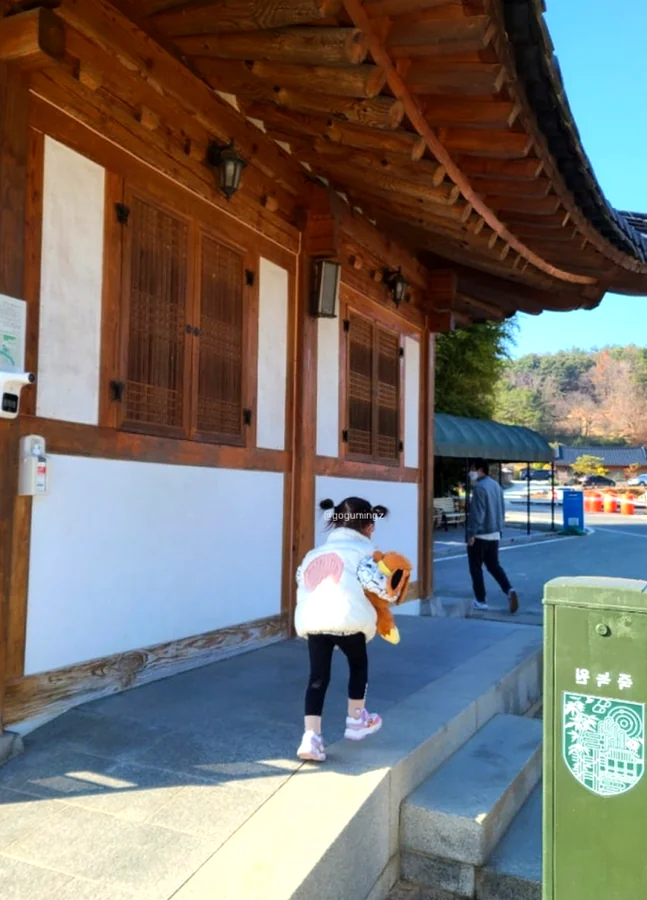
- Address: 119 Jungnokwon-ro, Damyang-eup, Damyang-gun, Jeollanam-do
- 2026 Operating Hours: 09:00 – 19:00 (Last entry at 18:00)
- Admission: Adults 3,000 KRW / Teens 1,500 KRW / Children 1,000 KRW
- Parking: Large-scale free parking available across from the main entrance (Gwanbangjegrim parking area).
- Signature Menu: Han-jeongsik featuring Hanu Tteok-galbi and Daetong-bap (Bamboo-steamed rice).
📅 Local Weather Guide
Gwangju Weather🌐 Read this post in other languages:
• 🇯🇵 日本語版 (Japanese Version)
Join the conversation