The Korea Tea Museum: A 2026 Curator’s Guide to Boseong’s Emerald Sanctuary
Boseong’s emerald undulations are more than a landscape; they are a manifesto of Korean patience. As we approach the 2026 season, the Korea Tea Museum asserts itself as a definitive architectural landmark, reconciling ancient agrarian rhythms with a polarizing, almost metallic futurism. To traverse these hills without pausing at this sanctuary is to observe a body without ever hearing its breath. It is here that the emerald waves of the south find their intellectual and spiritual anchor.
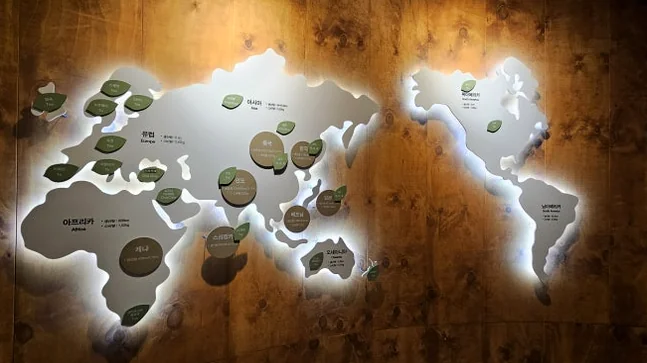
The experience begins with a calculated choreography on the ground floor. Through immersive media art, the museum translates the four seasons of Boseong into a digital lexicon. While the cynical might dismiss this as gimmickry, for the discerning traveler, it is a vital sensory recalibration. One witnesses the frozen, porcelain silence of winter and the aggressive, vibrant greens of the spring harvest long before stepping into the 2026 heat. This prologue justifies the global resurgence of tea; in an era of digital exhaustion, the tactile, slow-motion ritual of the leaf offers the only true grounding.

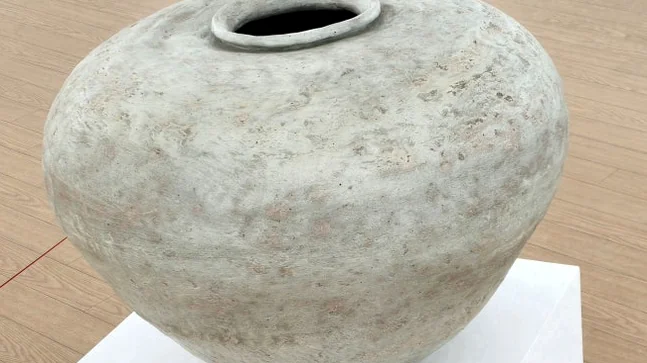
Ascending to the second level, the narrative acquires a historical weight. The 2026 special exhibition unveils an extraordinary assembly of Yixing Zisha teapots, tracing a lineage of influence from the Ming and Qing dynasties to the contemporary Korean table. These are not mere vessels; they are the mute witnesses to centuries of intellectual friction. The aesthetic tension between the raw, unglazed textures of ancient storage jars and the surgical precision of ceremonial porcelain serves as a silent commentary on Korea's class history and its enduring obsession with the leaf.

Few objects capture the Korean soul quite like the moon-shaped ceramic jar, an icon of elegance through restraint. In the 2026 curation, the museum elucidates the Dahwa philosophy—the sophisticated art of tea and conversation—by showcasing how these porous artifacts allowed leaves to age with grace. The museum refuses to sanitize the experience, acknowledging the sharp bitterness of high-grade matcha that might alienate the unrefined, while simultaneously celebrating its meditative potency and undeniable biological benefits.
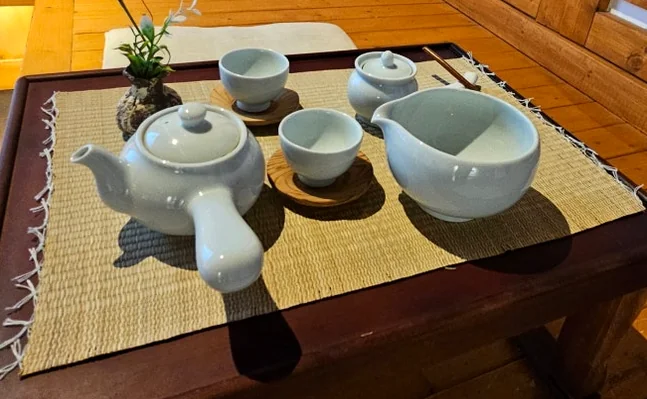
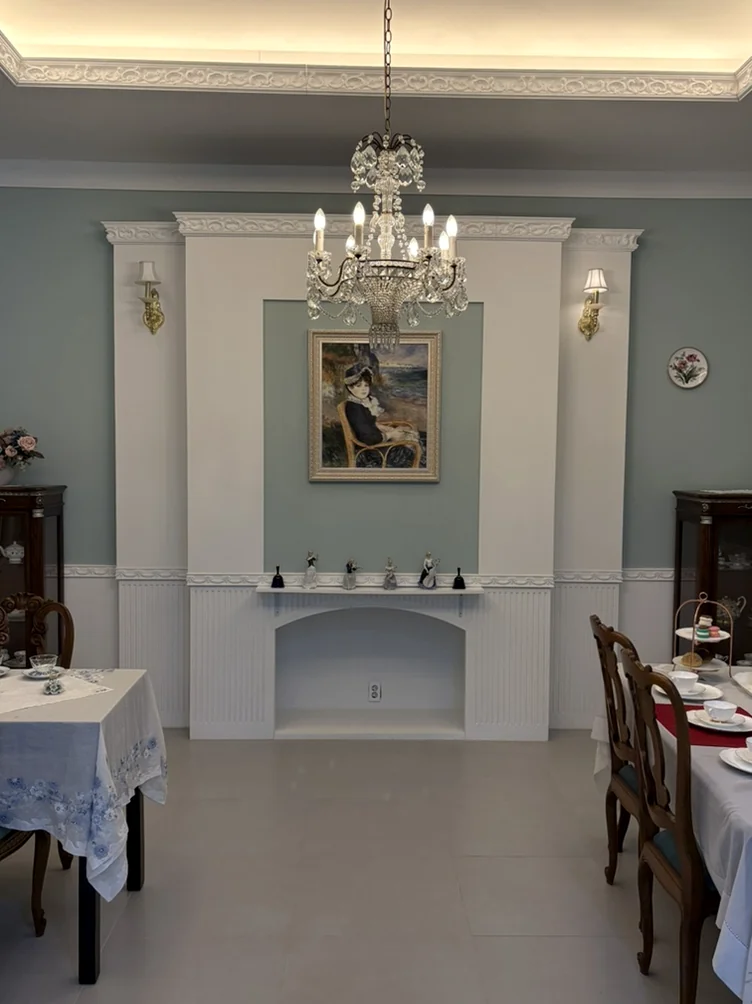
On the third floor, the museum’s philosophy shifts from the historical to the experiential. Here, minimalist European design intersects with traditional Hanok interiors, mirroring the global diffusion of tea culture. Scheduled for the 2026 season, the Maldacha whisking classes offer a study in rhythmic precision. It is less a culinary lesson and more a exercise in mindfulness; the contrast between the silent, concentrated effort of the tea master and the wild, expansive gardens framed by the window defines the very essence of the Boseong experience.

For those who prefer their landscapes with a touch of whimsy, the museum grounds feature oversized floral sculptures and thematic installations. A monumental teapot, cascading with blossoms, provides a playful reprieve from the internal solemnity of the galleries. This curated path leads into the Tea-Sori Cultural Park, where nature’s cacophony is disciplined by the visual order of the tea rows. It is a landscape that feels simultaneously wild and meticulously governed, a testament to the human labor required to sustain such perfection.

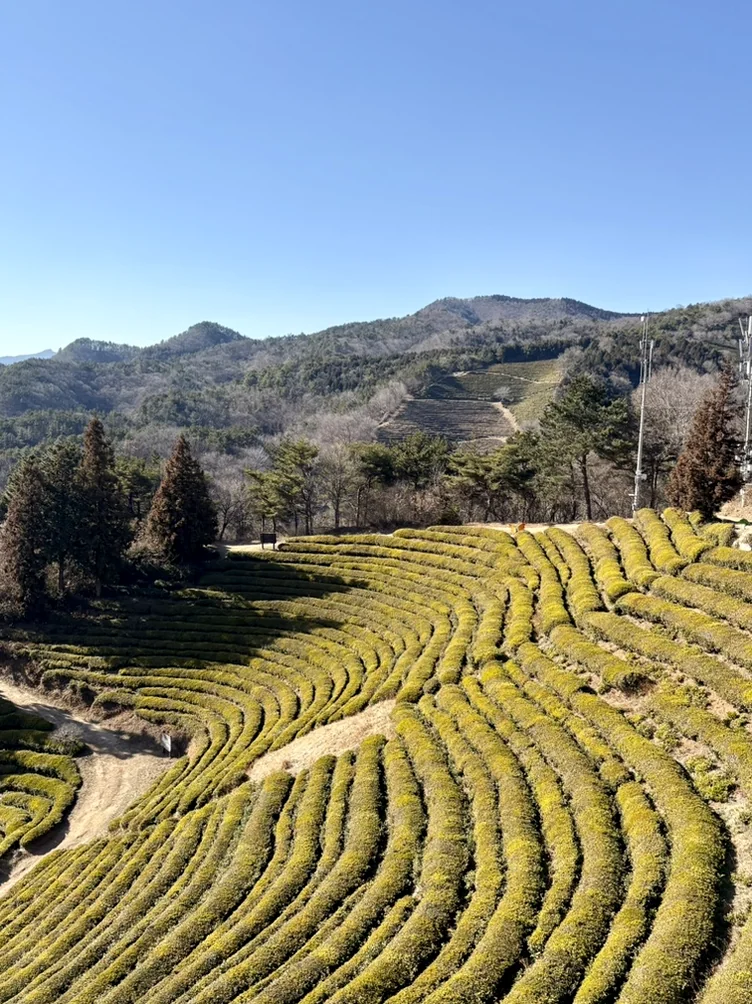
The final ascent brings one to the fifth-floor observatory, where the geometric genius of the Boseong terraces is finally laid bare. From this height, the 2026 panoramic view offers an unrivaled perspective on the Daehandawon plantation. Looking down, one sees the map of the Silk Road reflected in the landscape, a reminder that tea has always been a silent diplomat, traveling further and more gracefully than any conquering army. It is here that the global narrative of the leaf truly converges.
As the Boseong Dahyang Great Festival prepares to descend upon the region from May 3 to May 7, 2026, the Korea Tea Museum remains the vital center of gravity. While the festival brings a necessary energy, the museum offers the luxury of reflection. It challenges us to look beyond the porcelain cup and see the history, the toil, and the profound philosophy dwelling within a single leaf. In 2026, as travel becomes a search for deeper resonance, this sanctuary stands as Korea’s quiet, green heart.
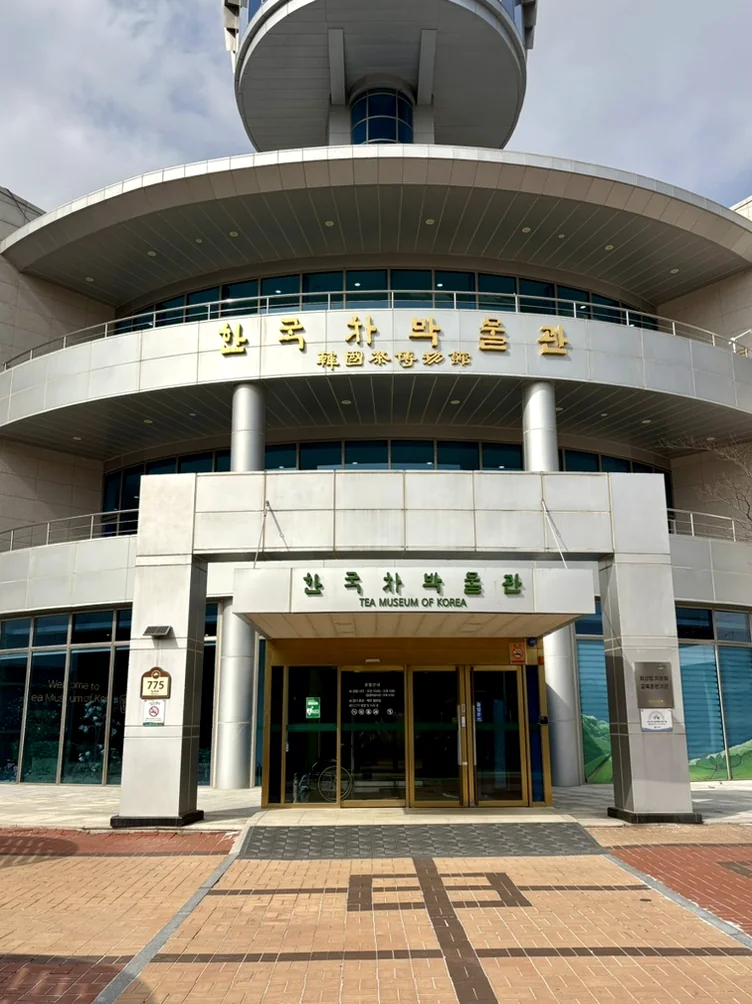
For those navigating the logistics of this pilgrimage, the museum is located at 775, Nokcha-ro, Boseong-eup. The admission remains remarkably accessible, reflecting a commitment to cultural democratization. Doors are open from 10:00 to 17:00, though I advise avoiding Mondays when the sanctuary rests. In 2026, weekend travelers are strongly encouraged to secure bookings for the Darye ceremonies in advance. While parking is ample, the shuttle services from Boseong Station during the festival period offer a more seamless entry into this verdant dreamscape.
📅 Local Weather Guide
Gwangju Weather📍 한국차박물관
전라남도 보성군 보성읍 녹차로 775 한국차-소리문화공원
🌐 Read this post in other languages:
• 🇯🇵 日本語版 (Japanese Version)
Join the conversation