The Floral Monarchy: Rediscovering Nostalgia at Gokseong Seomjingang Train Village
As the 2026 season dawns, Gokseong transcends its quiet provincial roots to unveil an evocative spectacle that remains unparalleled in the Korean landscape. The Seomjingang Train Village is no longer merely a site of transit; it is a meticulously curated stage where the industrial weight of steam engines meets the ephemeral grace of over 40,000 rose bushes. This juxtaposition serves as a profound dialogue between the rigidity of the past and the organic fluidity of the present. In a world increasingly dominated by the digital, the resurgence of such tactile botanical retreats reflects a sophisticated yearning for sensory grounding.
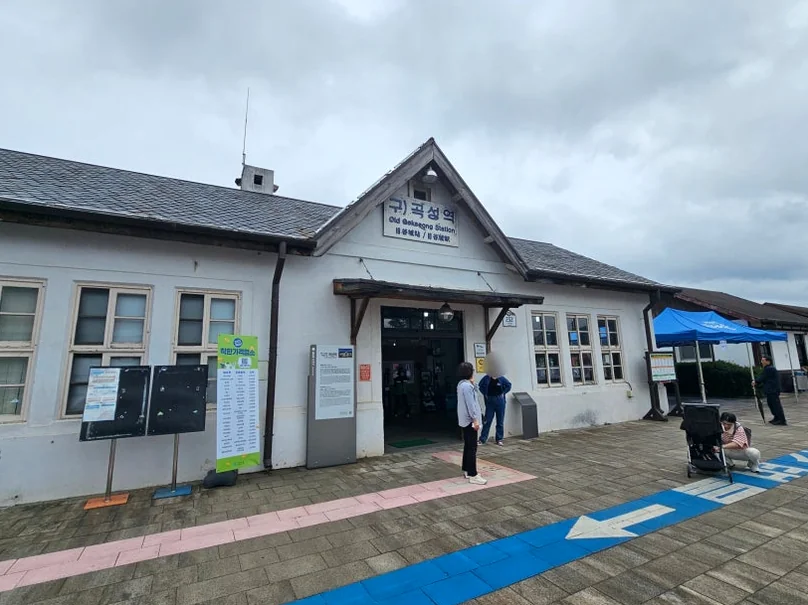
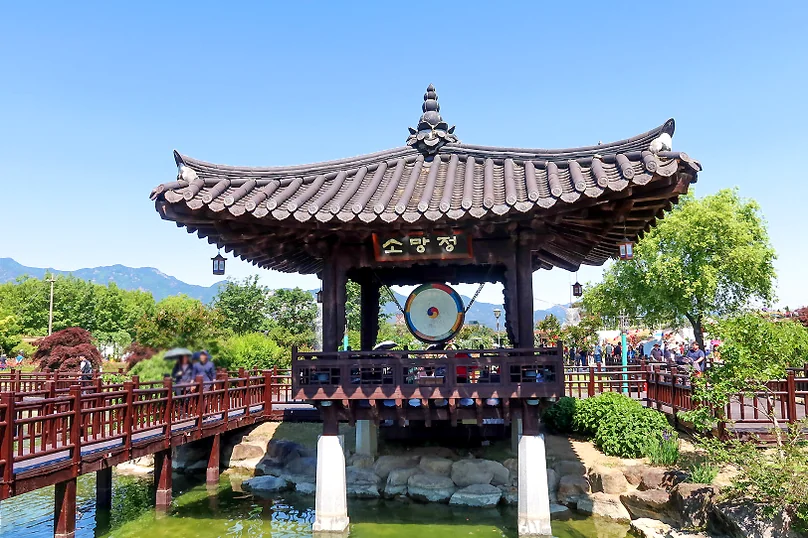
Entering via the Old Gokseong Station—a registered cultural heritage site—feels less like a tourist arrival and more like a temporal shift. The architecture, preserved with a minimalist discipline that eschews the common pitfalls of modern kitsch, serves as a portal into two distinct narratives: the kinetic heritage of the rails and the static, blooming elegance of the gardens. The spatial choreography here is masterful, ensuring that even as the festival reaches its zenith, one can find sanctuaries of architectural serenity. The Sogang-jeong pavilion, for instance, anchors the landscape with a traditional grace that commands a moment of silent reflection.
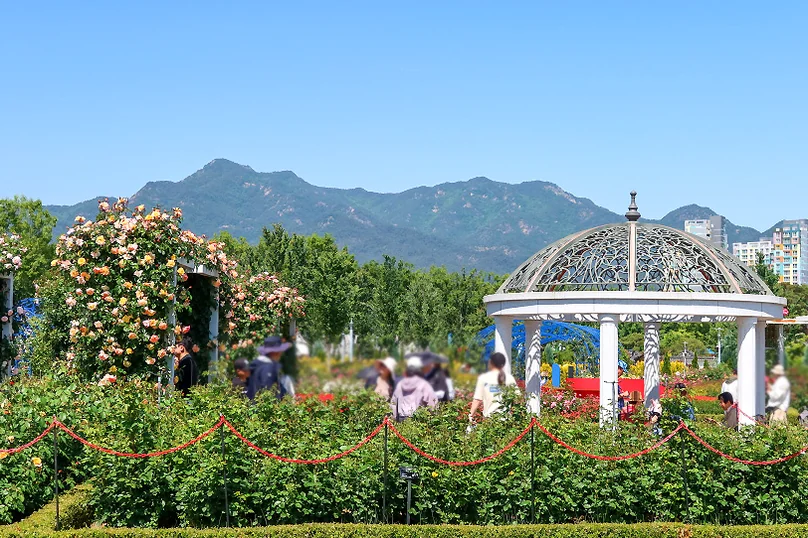
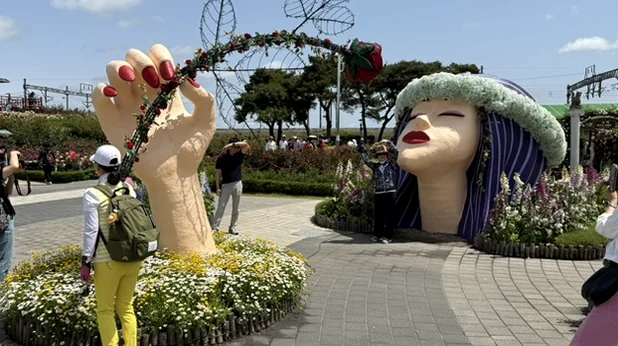
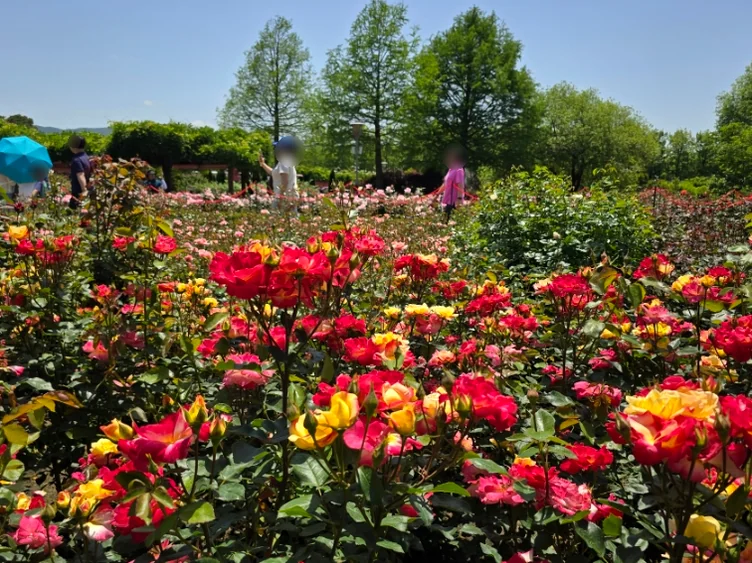
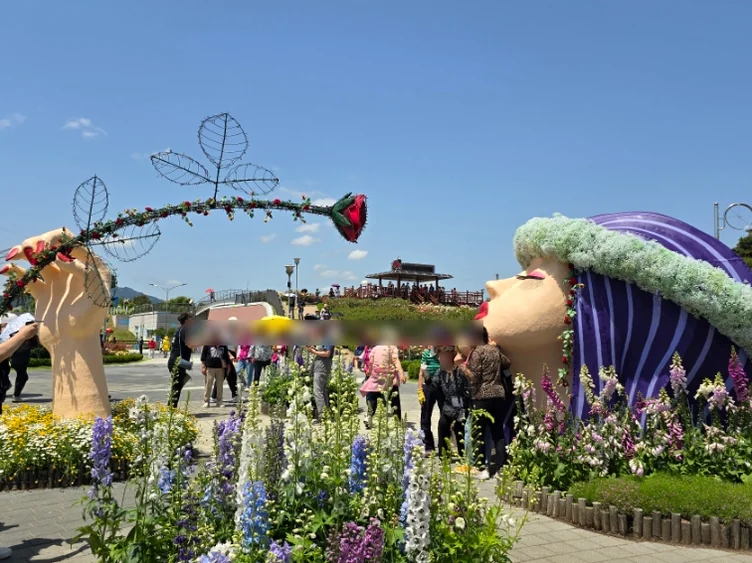
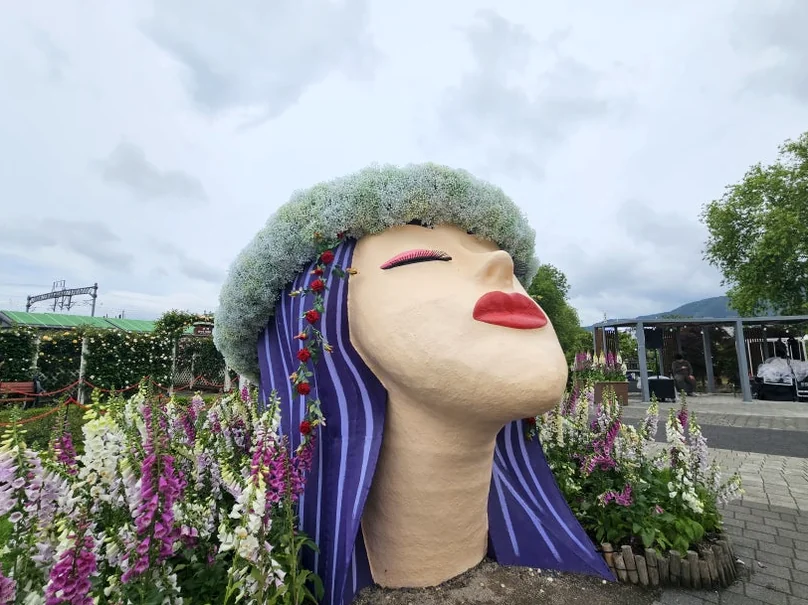
The 2026 Rose Garden expansion has further elevated the festival’s prestige, showcasing a staggering collection of 1,004 rare European rose varieties. This is not a vulgar display of quantity but a disciplined study in color theory and texture. The inclusion of large-scale floral sculptures—a moss-draped face and a hand emerging from the earth—introduces a surrealist, contemporary edge to the romantic landscape. These artistic interventions challenge the traditional boundaries of garden art, inviting an introspective engagement that goes beyond the surface level of beauty.
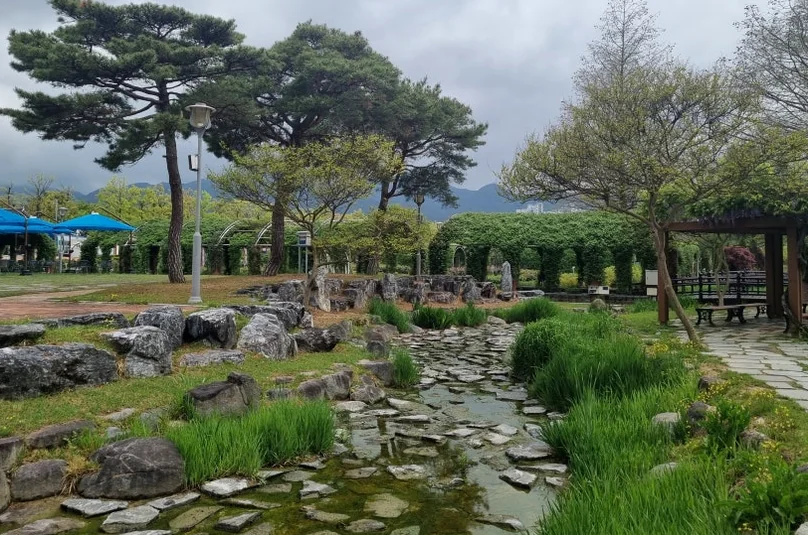
Navigating this terrain requires a discerning eye. Beyond the primary beds, the design incorporates cooling water features and manicured paths that act as essential micro-climates. In the 2026 heat, these water-lined walkways preserve the vitality of the flora, ensuring that every petal remains crisp and vibrant. The visual rhythm created by the contrast between deep crimson blooms and the sleek, modern lines of glass structures offers a sophisticated aesthetic experience that is both soothing and intellectually stimulating.
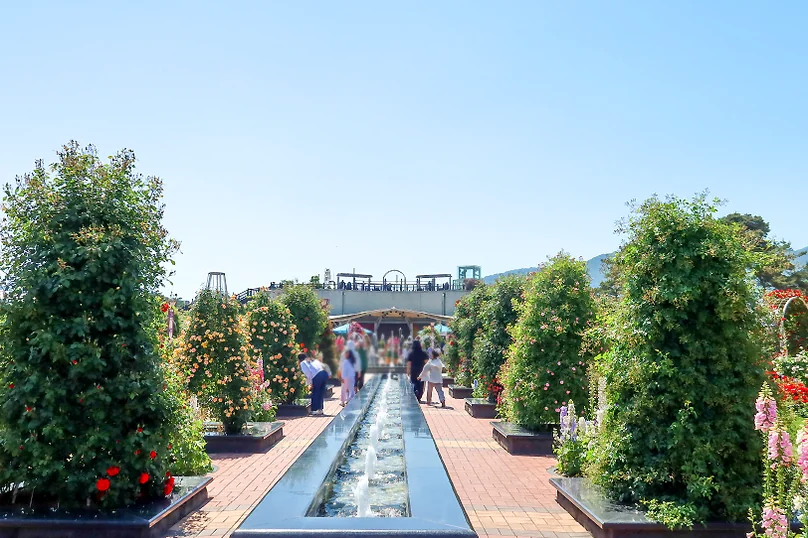
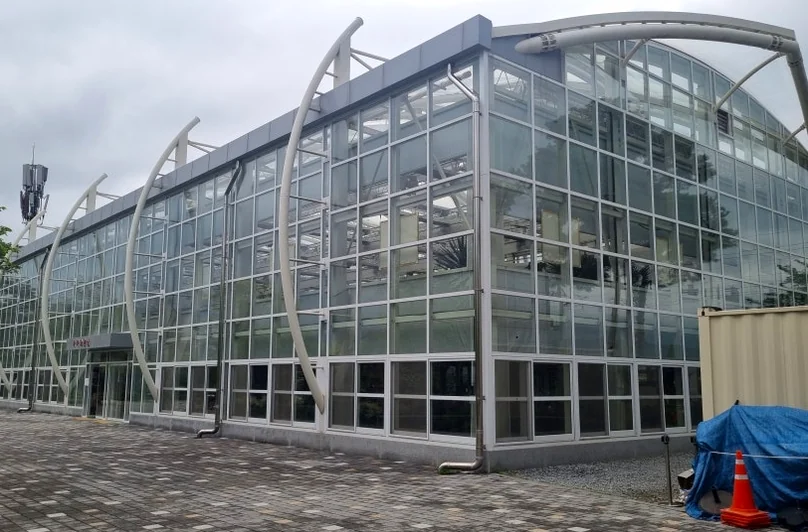
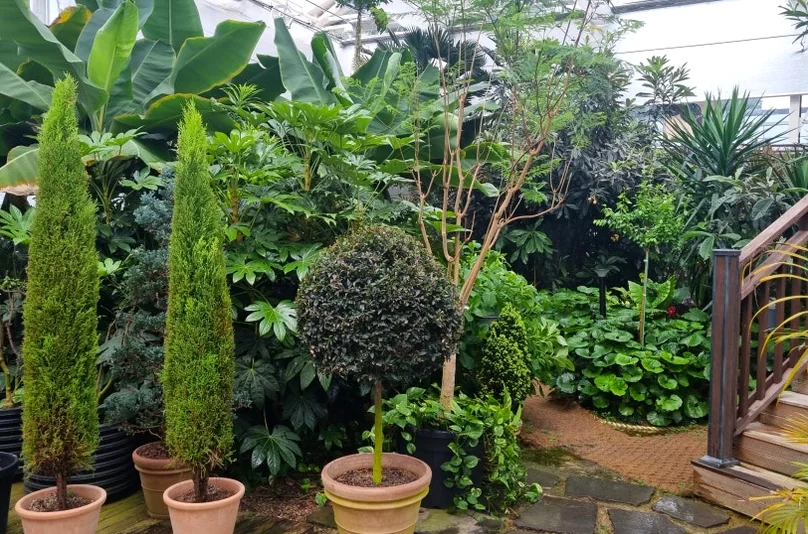
For the traveler seeking a modern sanctuary, the glass conservatory stands as a transparent temple of exotic flora. Inside, tropical palms and curated evergreens offer a sensory palette that diverges from the outdoor rose fields. This structure highlights the village's evolution from a relic of history into a forward-looking environmental hub, blending the raw power of nature with contemporary sanctuary design. It is a testament to Gokseong’s commitment to year-round botanical excellence.
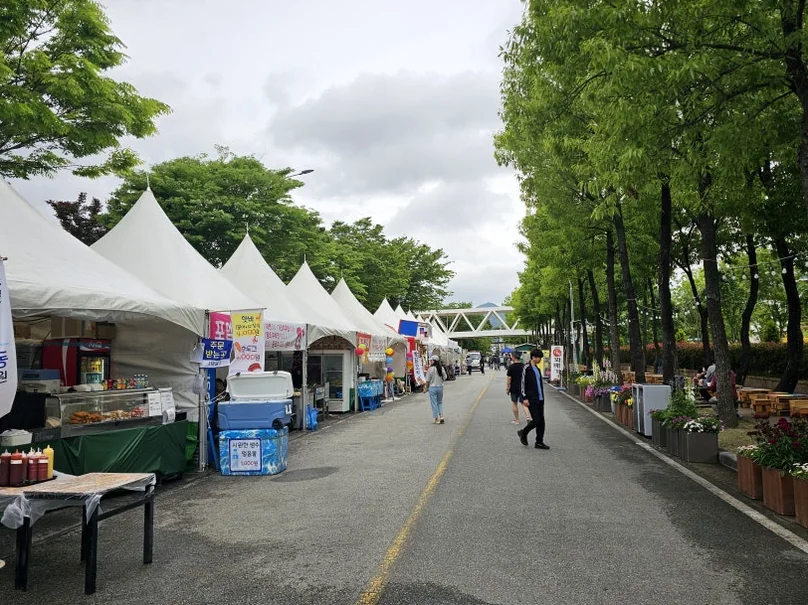
The festival’s atmosphere is further enriched by a commitment to the local community's Slow Food movement. In 2026, the focus has shifted toward regional specialties like melon and taro, presented with an artisanal touch along white-tented pathways. Amidst the movement of the crowds, one often observes seasoned travelers pausing by rose-covered trellises, reclaiming personal moments of tranquility. These brief, quiet interactions between people and the seasonal cycle define the true cultural fabric of the Train Village.
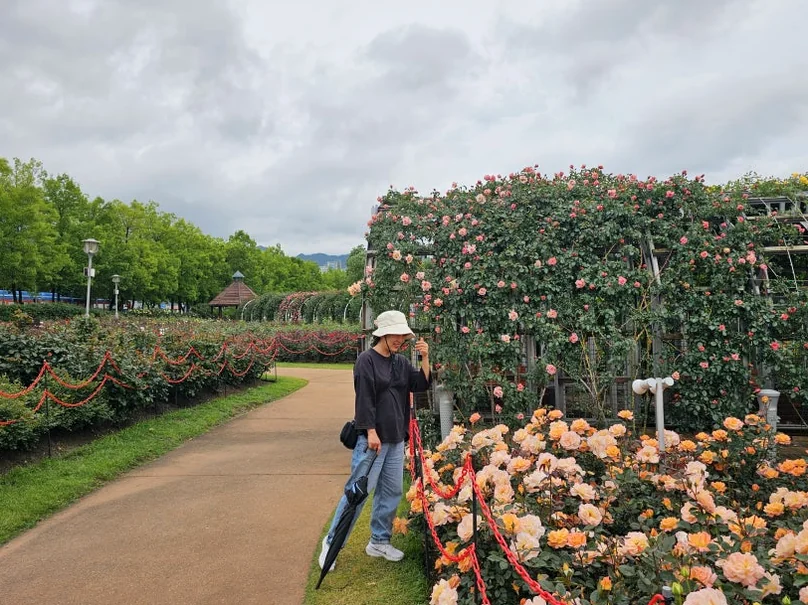
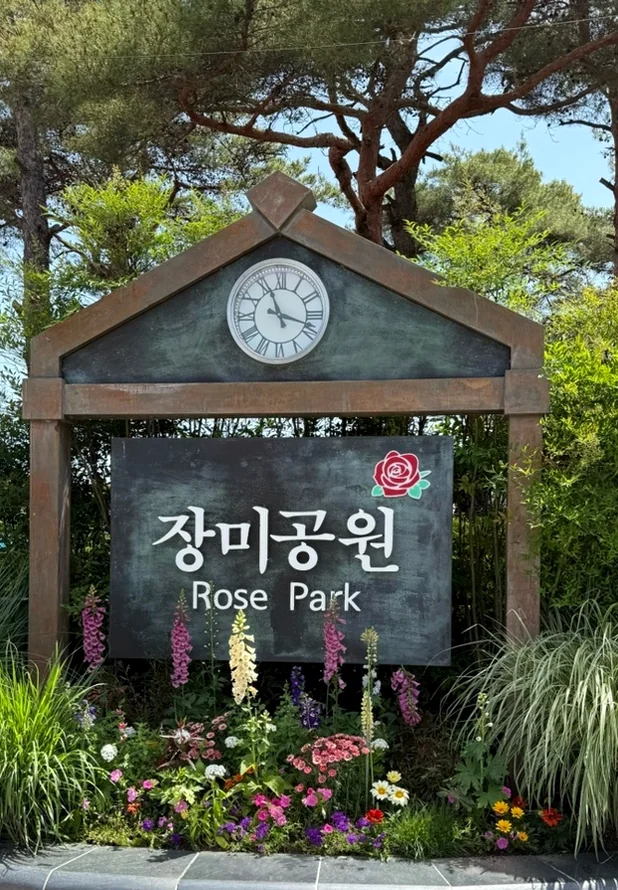
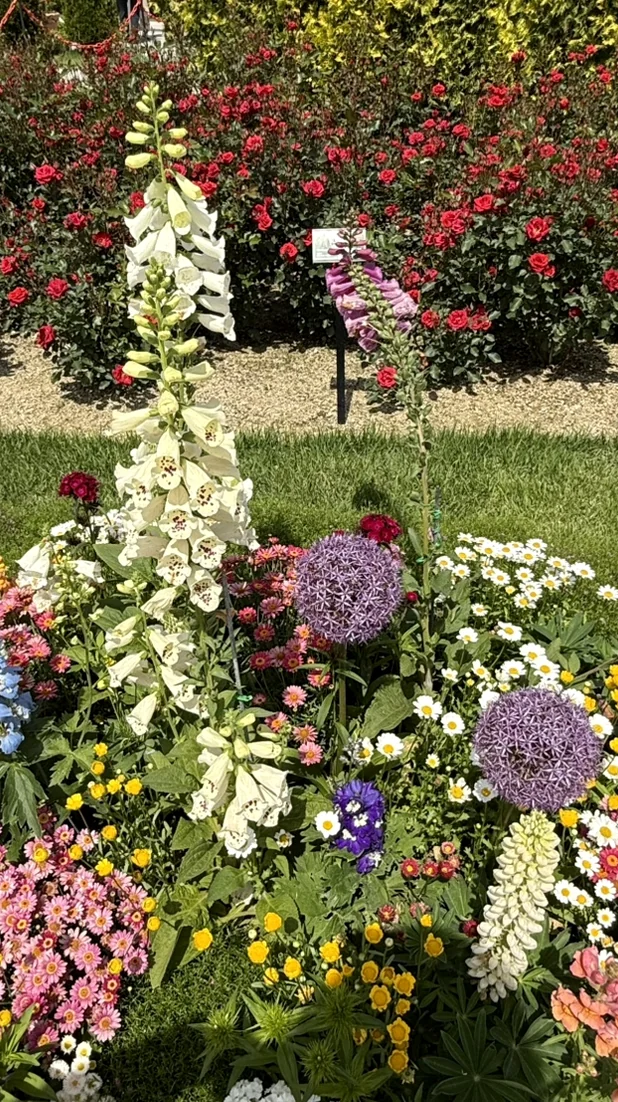
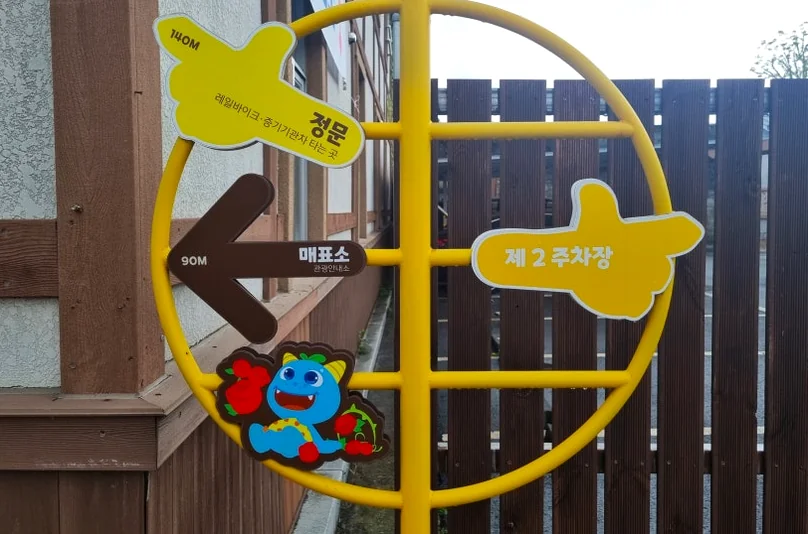
Logistically, the site is a model of effortless navigation, anchored by a classic clock tower and clear, functional signage. However, the true luxury of the 2026 experience lies in the diversity of the planting. Perennials and purple alliums are strategically interspersed to provide structural variety, ensuring the visual narrative is never monotonous. Every corner reveals a new vantage point, whether it is the soft murmur of a stone-lined stream or a cluster of intense crimson roses tucked away in a secluded path.
While the popularity of the site is evidenced by the vibrant gatherings at signature photo zones, the 2026 management strategy has successfully balanced high foot traffic with the preservation of silence. Mature trees and traditional rest areas provide the necessary shade for a slow-paced afternoon stroll that honors the site’s heritage. The seamless integration of art and nature ensures that the Seomjingang Train Village remains a premier destination for those who value human creativity as much as botanical splendor.
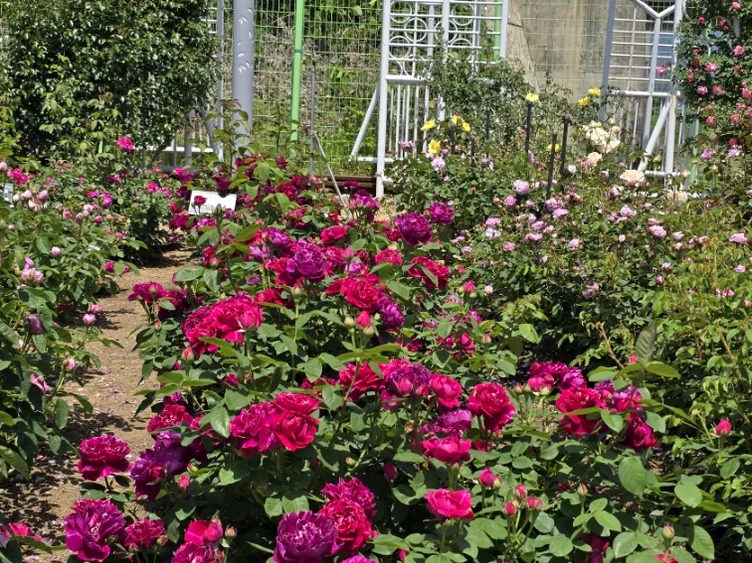
As evening approaches, the light over Gokseong shifts, casting long, dramatic shadows and accentuating the textures of the landscape. The sensory journey is completed by the distant whistle of the steam engine—a haunting reminder of the village’s original pulse. This is a place where time is reclaimed, allowing for a profound reconnection with the beauty of the 2026 spring season.
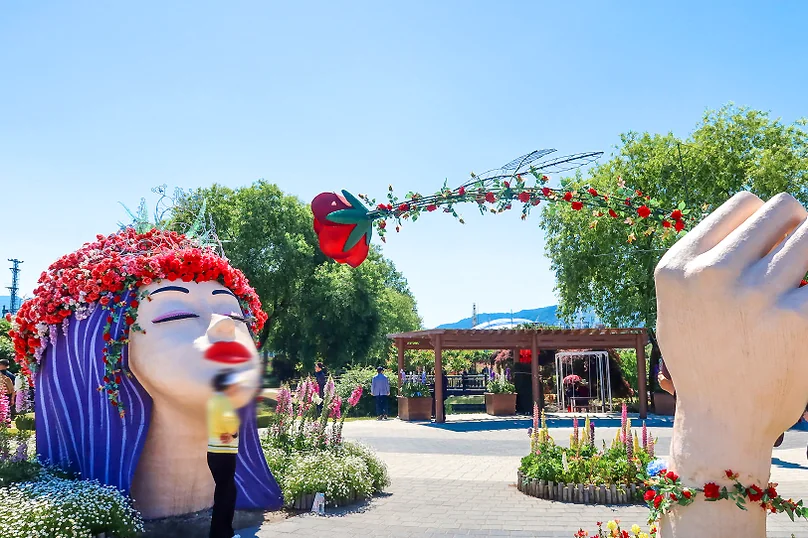
Whether you are a horticulturalist or a seeker of refined nostalgia, the Gokseong Seomjingang Train Village offers a rare opportunity to witness a landscape in perfect equilibrium. It is a destination that demands presence, rewarding the patient visitor with a kaleidoscope of scents, sights, and historical insights that linger long after the final rose has fallen.
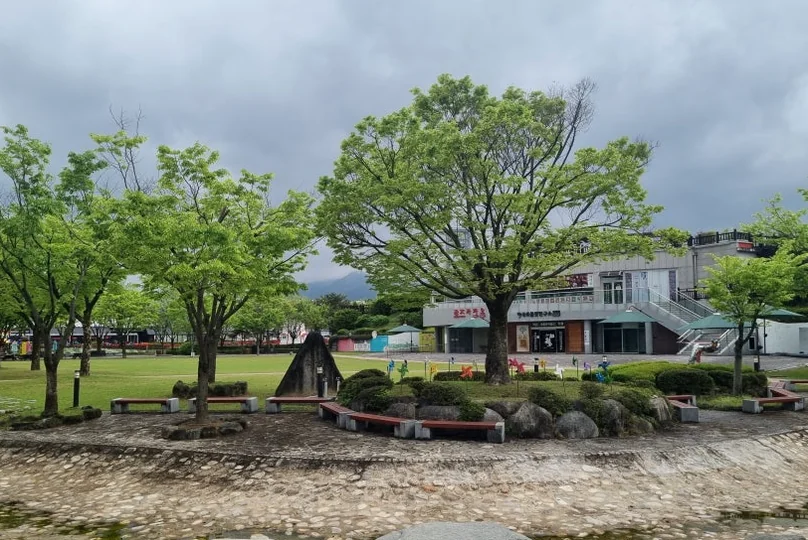
Address: 232, Gichamaeul-ro, Ogok-myeon, Gokseong-gun, Jeollanam-do
Admission: A standard entry of 5,000 KRW grants you access, including a 2,000 KRW Gokseong Gift Certificate during the festival—a gesture that encourages exploration of the local economy.
Operating Hours: The grounds remain open from 08:00 until 22:00, though the gate closes for new arrivals at 20:00.
The Rhythm of Arrival: For those departing from Seoul, the KTX to Gokseong Station is the only civilized choice. From there, a brief ten-minute walk leads you directly to the Train Village gates.
Curated Detail: I recommend utilizing the Gokseong Gift Certificate at the local stalls to sample the taro-based snacks, a refined interpretation of the region's agricultural identity.
📅 Local Weather Guide
Gwangju Weather📍 Seomjingang Train Village
232, Gichamaeul-ro, Ogok-myeon, Gokseong-gun, Jeollanam-do
🌐 Read this post in other languages:
• 🇯🇵 日本語版 (Japanese Version)
Join the conversation