The Climate Card Revolution: Navigating Seoul’s 2026 Transit Rebate Mastery
- Receive a 30,000 KRW monthly rebate for active 30-day Climate Card users.
- The official refund window spans from April to June 2026 across Seoul.
- Valid for all metropolitan subways, buses, bikes, and the Hangang River Bus.
- A visionary pivot toward urban sustainability amidst global 2026 energy market volatility.
- Essential T-money portal registration remains the only gateway to securing your reimbursement.
In the high-velocity landscape of 2026 Seoul, efficiency is the only currency that truly matters. As the global energy market experiences unprecedented shifts, the Seoul Metropolitan Government has unveiled a masterstroke of urban logistics. The Climate Card 30,000 KRW Refund Policy is not merely a subsidy; it is a sophisticated re-engineering of the city’s circulatory system. For the discerning resident, this initiative offers a rare convergence of fiscal prudence and seamless mobility.

The core logic of this 2026 initiative is simple yet transformative. By utilizing the 30-day unlimited pass, residents can reclaim a significant portion of their monthly transit expenditure. This policy reflects a deeper cultural shift in Korea: the move toward 'Smart Living' where technology and social welfare overlap to mitigate the rising costs of living. Director K’s Insight: This is a calculated response to the 2026 energy crisis, designed to incentivize mass transit over private vehicle use by making the former irresistibly cost-effective.
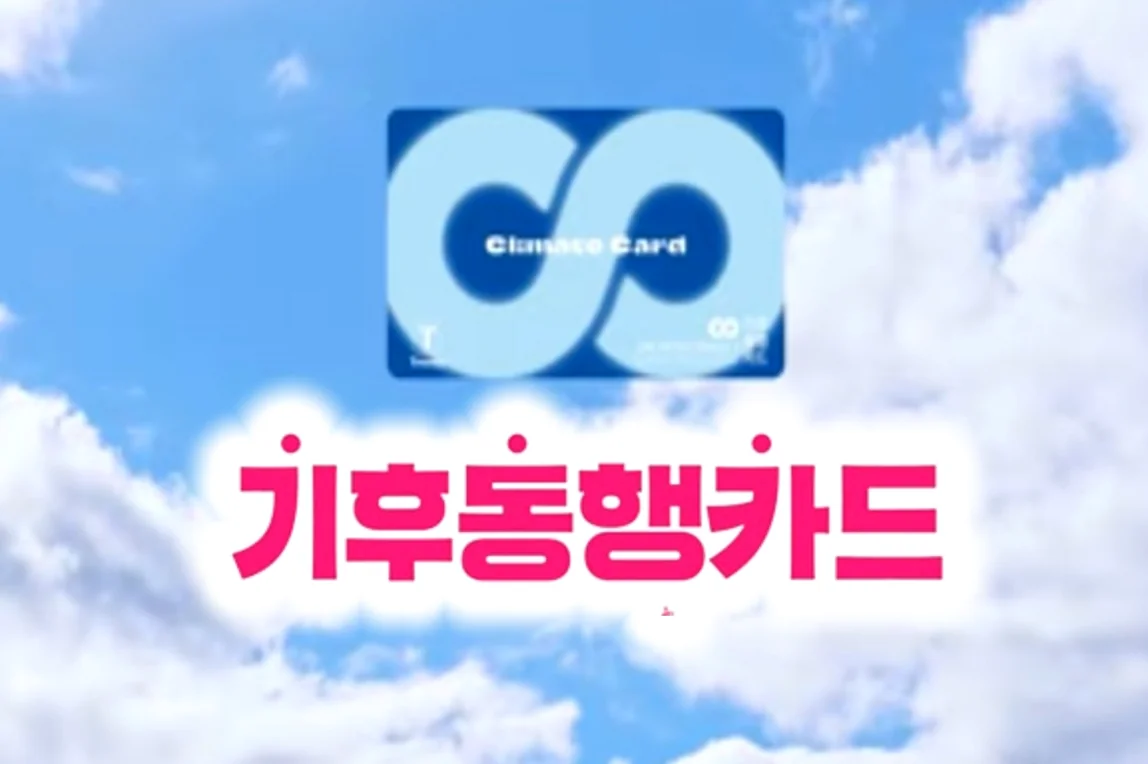
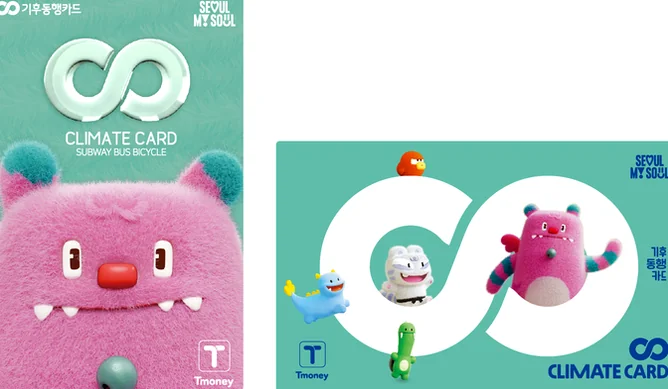
To master this system, one must understand the tiered pricing structure. The rebate applies uniformly across various user groups, but the resulting effective costs create a spectrum of accessibility that is perhaps the most competitive in any global mega-city today. Below is the strategic breakdown of the costs for the 2026 season.
| User Category | Standard 30-Day Rate | Effective Cost After Rebate |
|---|---|---|
| General Adult | 62,000 KRW | 32,000 KRW |
| Youth & Young Adult (13-39) | 55,000 KRW | 25,000 KRW |
| Multi-Child Household | 45,000 - 55,000 KRW | 15,000 - 25,000 KRW |

The primary hurdle for many is the administrative protocol. Unlike generic discounts, this is a post-use cash refund. The philosophy behind this mechanism is data-driven governance. By requiring registration, the city gains granular insights into transit patterns, allowing for more precise infrastructure adjustments in the future. For the user, this means that simply carrying the card is insufficient. You must integrate your identity with the T-money ecosystem to be recognized as a participant in this 2026 social experiment.
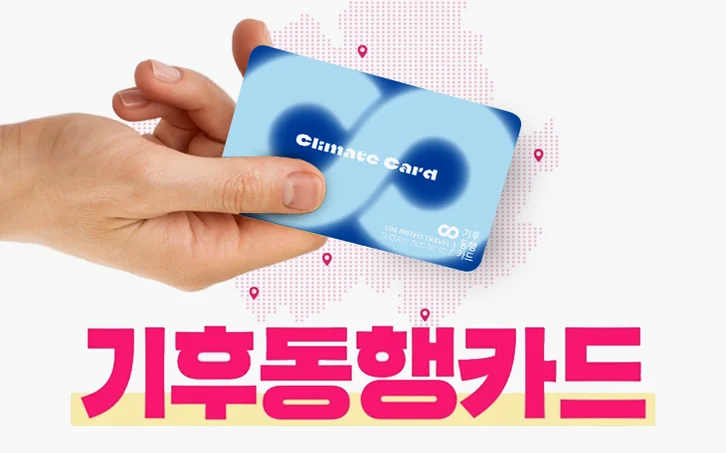
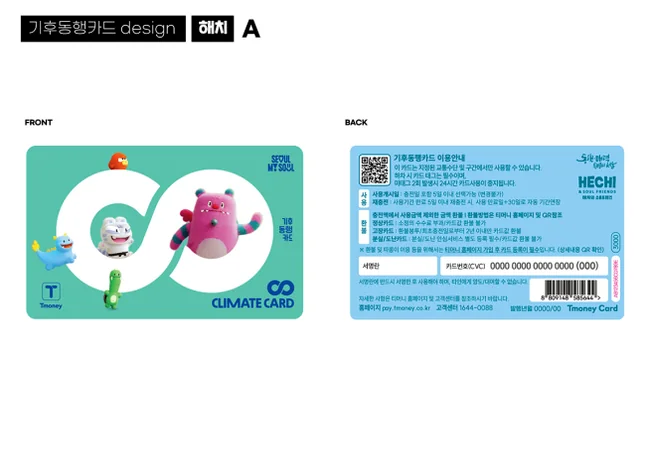
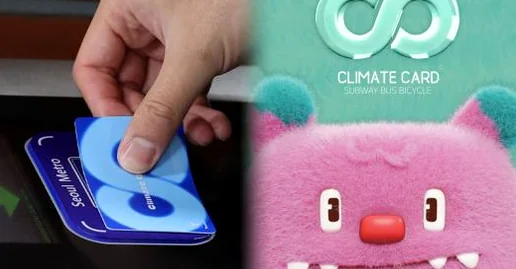
The registration process demands precision. If you are utilizing a physical card—the tactile choice of many minimalist residents—you must visit the T-money Card & Pay official portal. Without this step, your usage data remains anonymous, and your 30,000 KRW remains in the municipal coffers. Android users enjoy the luxury of integrated mobile registration, while iPhone users must maintain the discipline of linking their physical cards to their digital accounts. This highlights the ongoing evolution of Korea’s digital landscape, where hardware and software are in a constant state of negotiation.
Director K notes that one must also be aware of the 'completion' rule. The 2026 rebate is only triggered upon the successful completion of a full 30-day cycle. Should you request a refund mid-month or fail to exhaust the pass duration, the rebate eligibility evaporates instantly. This ensures that the policy supports dedicated commuters who are the backbone of the city’s green movement. It is a commitment to the rhythm of the city, rewarding those who navigate Seoul’s veins with consistency.
The application window for the actual cash payout opens in June 2026. This period requires the submission of a personal bank account via the official T-money platform. It is a moment of digital verification that culminates in a direct deposit. We suggest setting a high-priority alert for this window, as retroactive claims are notoriously difficult to process in a strictly regulated administrative system.
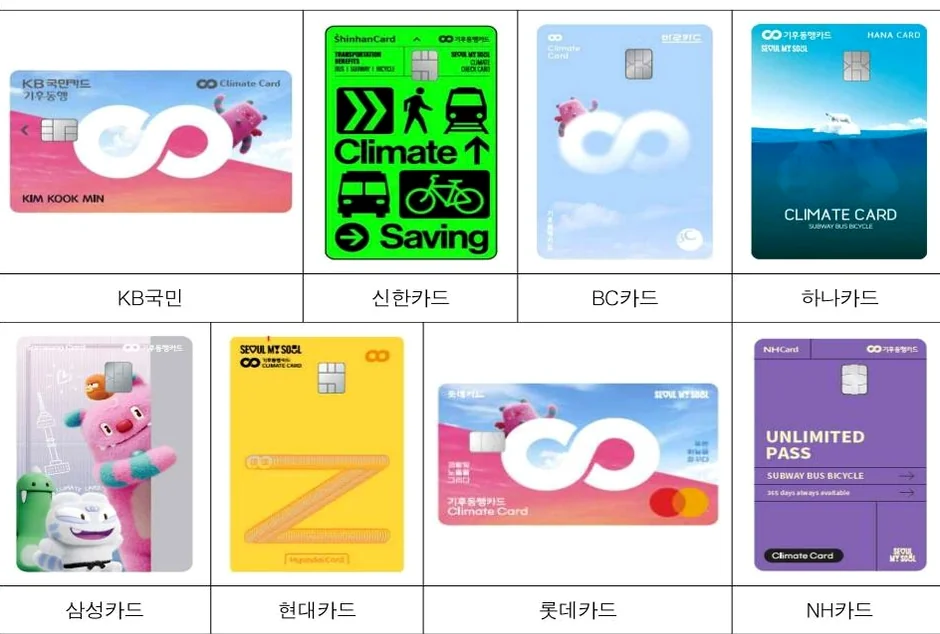
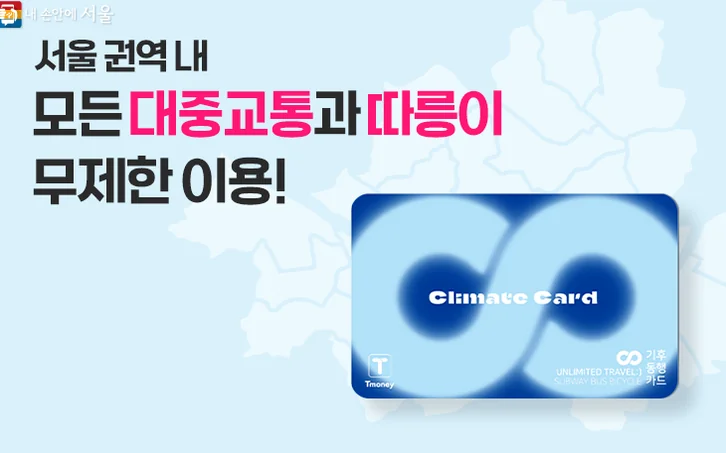
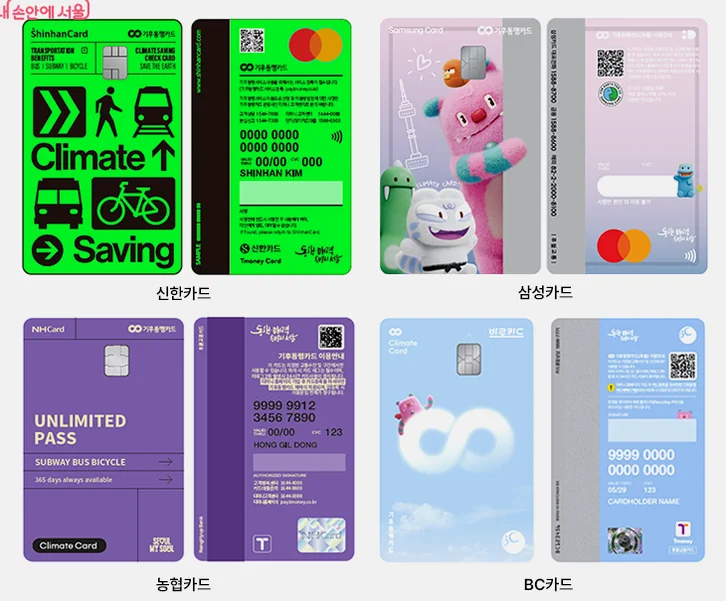
Beyond the immediate financial gain, the Climate Card offers a holistic transit experience. It encompasses the Ttareungyi bike-sharing system and the newly optimized Hangang River Bus, providing a multi-modal approach to the city. During the 2026 season, this card is your key to the city's soul, granting you the freedom to explore every corner of the metropolis without the friction of fluctuating costs.
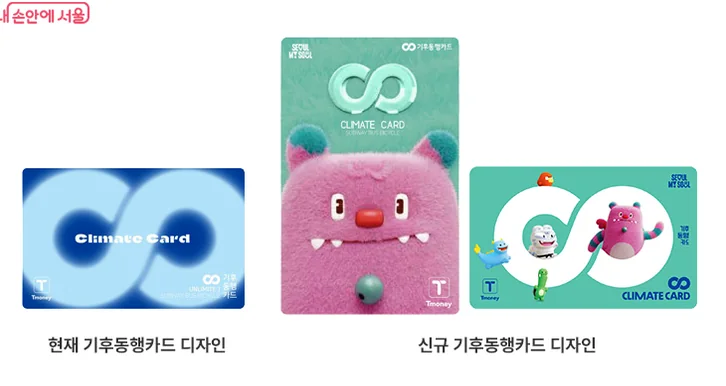
For those joining the ecosystem for the first time in April 2026, there is an added incentive. New registrants are eligible for a 10% T-mileage accumulation on their first recharge, which stacks with the 30,000 KRW refund. This is a rare moment of fiscal synergy that should not be overlooked by any resident seeking to optimize their 2026 budget.
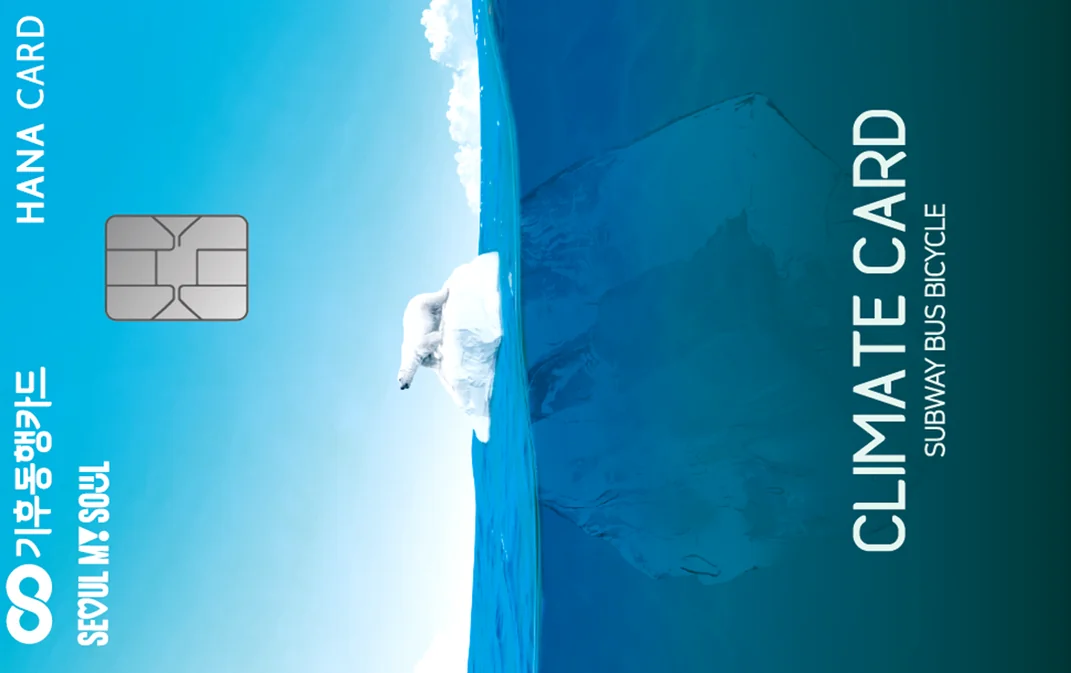
In conclusion, the Climate Card rebate is a testament to Seoul’s proactive stance on urban living. It challenges the resident to be more than a passive consumer; it asks for active participation in a greener, smarter future. By following the registration protocols and maintaining a consistent commute, you secure not only a significant refund but also a place in the vanguard of 2026's most progressive transit movement.
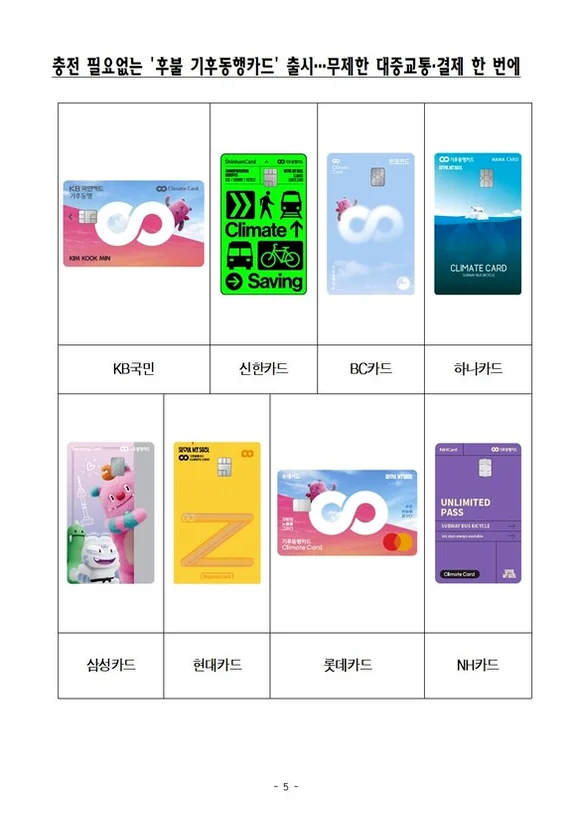
- Registration: Must register physical cards at the T-money Card & Pay website immediately.
- Refund Amount: 30,000 KRW per month for 3 consecutive months (Max 90,000 KRW).
- Eligibility: 30-day passes used between April and June 2026 without mid-term cancellations.
- Claim Period: The dedicated refund application portal opens in June 2026.
- Exclusions: 1-day, 3-day, and 7-day short-term passes are not eligible for the 30,000 KRW rebate.
🌐 Read this post in other languages:
• 🇯🇵 日本語版 (Japanese Version)
Join the conversation