The Art of Stillness: Hadong Wild Tea Museum and the 2026 Heritage of Korean Aromas
To understand the soul of the Korean peninsula, one must look beyond the neon-soaked skylines of Seoul and toward the rugged, mist-veiled contours of Jirisan. As we navigate the complexities of 2026, the Hadong Wild Tea Museum stands not as a mere repository of artifacts, but as a sanctuary of slow-burning heritage. While other regions succumb to the efficiency of industrial agriculture, Hadong maintains a defiant, organic topography where tea trees entwine with ancient stone and mountain streams, preserving a lineage that has thrived for twelve centuries.
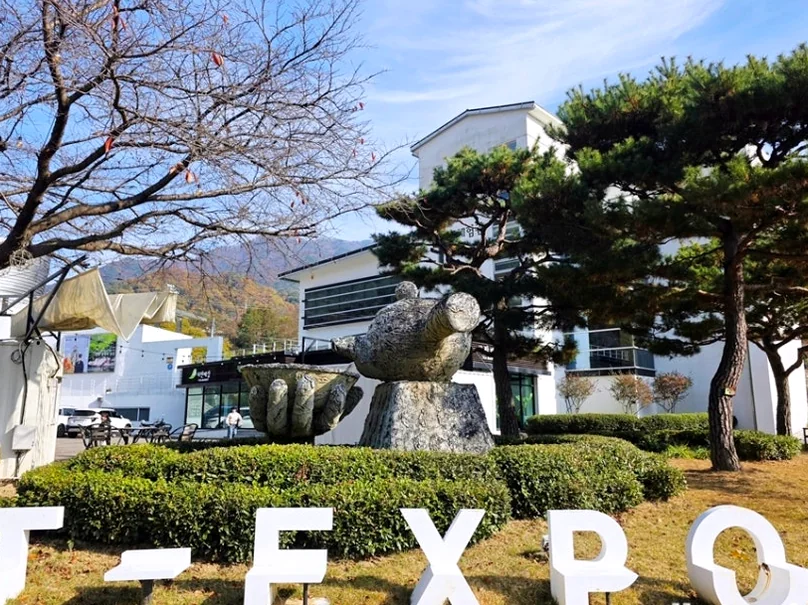
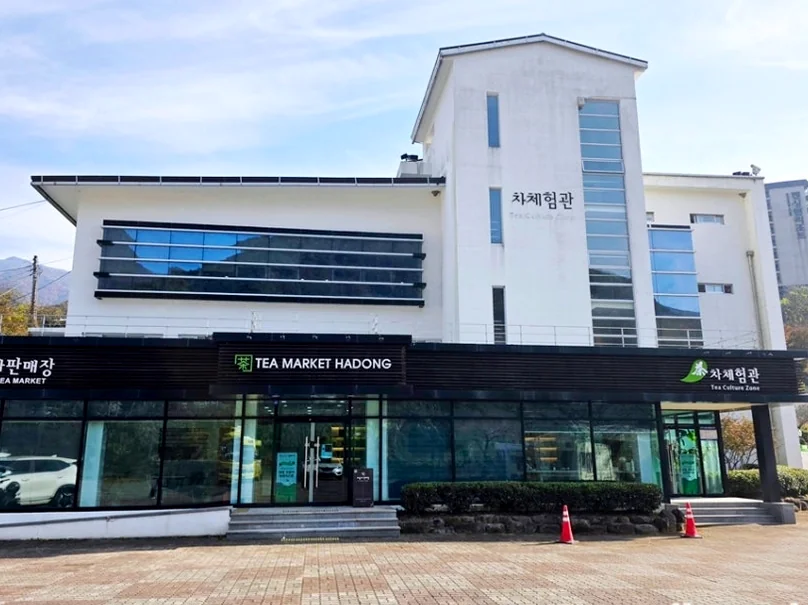
The museum’s arrival experience is a masterclass in architectural restraint. A stark, minimalist white facade serves as a canvas for the shifting shadows of the valley, signaling a transition from the noise of the modern world into a space of deliberate breathing. In this 2026 season, the curation has evolved to prioritize spatial flow, guiding the discerning visitor through the aesthetic legacies of the Silla and Goryeo dynasties. It is a choreography of light and shadow that mirrors the journey of the leaf itself—from the blinding sun of the slopes to the dim, contemplative heat of the steeping cup.
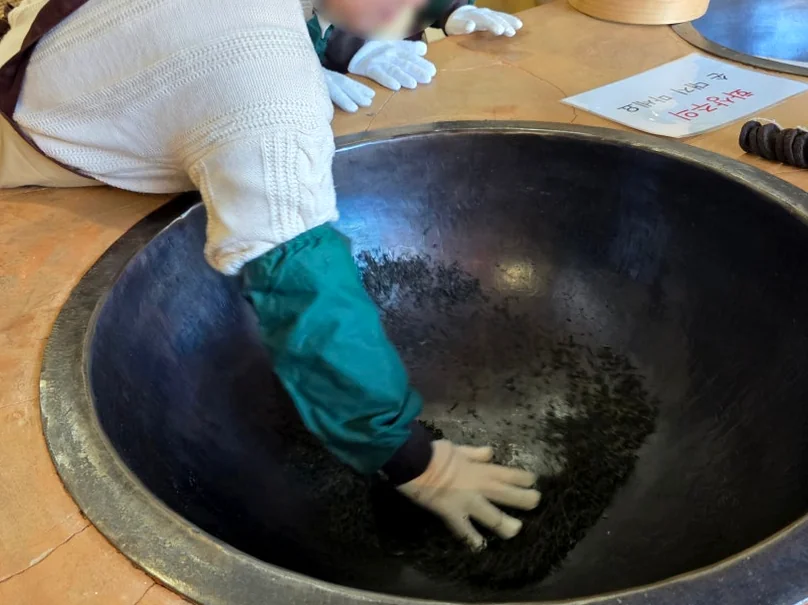
The true visceral heart of the museum lies in the Deokk-eum center. Here, the air is thick with the scent of toasted earth and green vitality. The traditional roasting process is a brutal yet beautiful dialogue between artisan and element, where iron cauldrons exceeding 250 degrees Celsius test the resilience of both leaf and hand. This is where the wild character of Hadong is captured—a moment of thermal alchemy that halts fermentation and locks in the mountain’s spirit. Witnessing these artisans at work in 2026 remains a rare privilege in an age dominated by automated precision.
Ascending to the Tea Cafe Hadong, the experience shifts from the tactile to the celestial. The terroir of the Hwagae region, defined by its unforgiving rocky soil and superior drainage, produces a Jaksul-cha—or Sparrow’s Tongue tea—that possesses a haunting complexity. Director’s choice: secure a seat on the upper balcony precisely at 11 AM. To sip this liquid jade while overlooking the 2026 spring harvest is to understand what locals call Gam-no, or sweet dew. It is a sweetness born of hardship, a nuanced nuttiness that lingers far longer than any commercial blend grown in flatter, clay-heavy terrains.
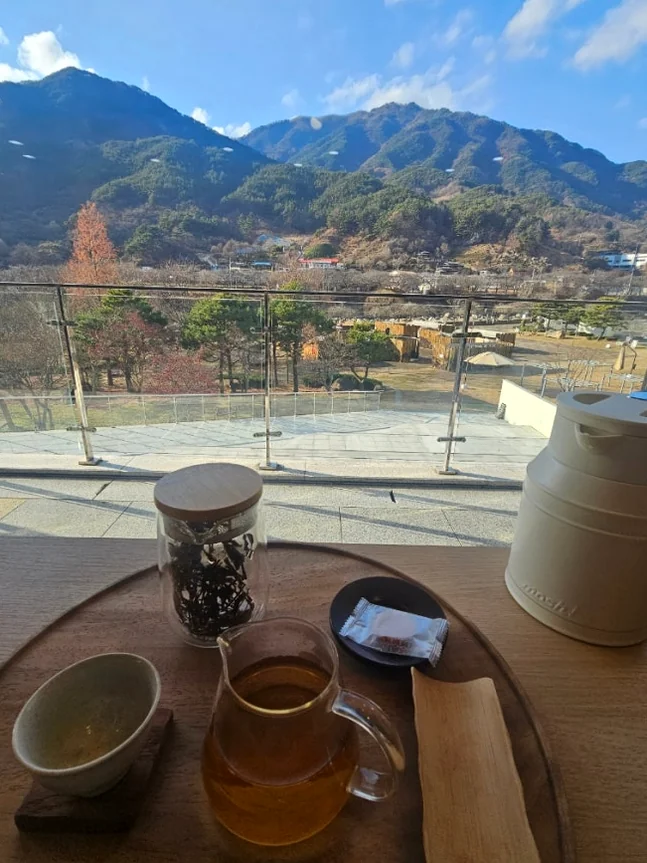
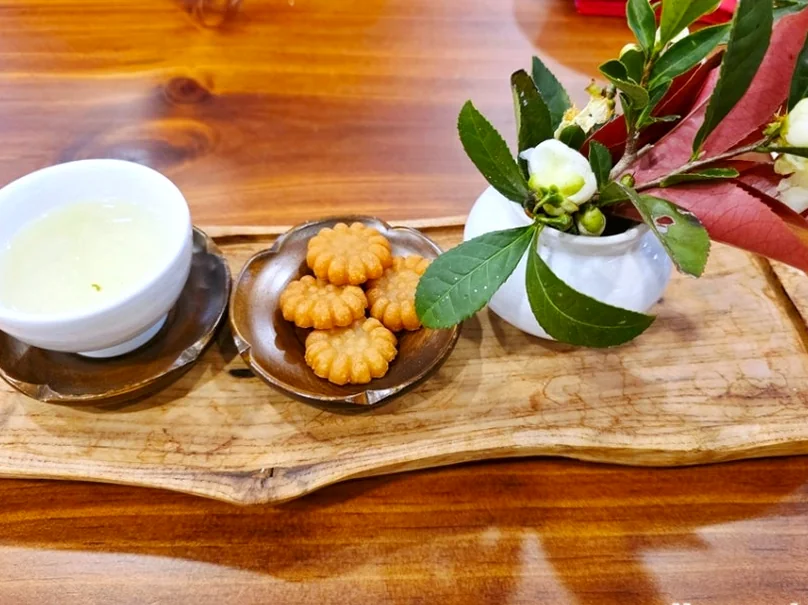
The ritual of Darye is where the museum’s philosophy crystallizes. In this 2026 interpretation, the emphasis is placed heavily on the concept of empty space—the sacred pause between the pouring and the drinking. The tea is not the destination; it is the vehicle for a meditative state known as Doseon. Accompanied by honey-drenched Yakgwa and served on austere wooden trays with seasonal floral accents, the ceremony becomes a living painting, a fusion of Taoist quietude and the refined hospitality that defines the Korean high-end lifestyle.
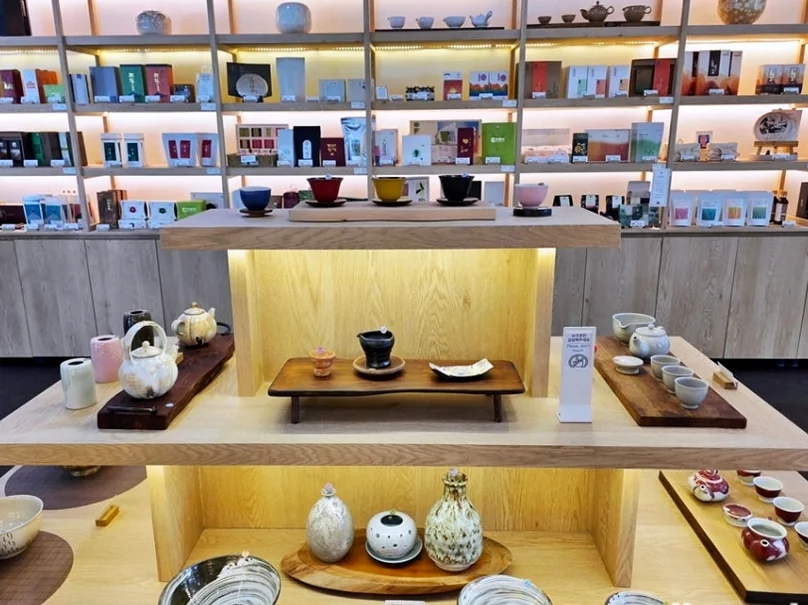
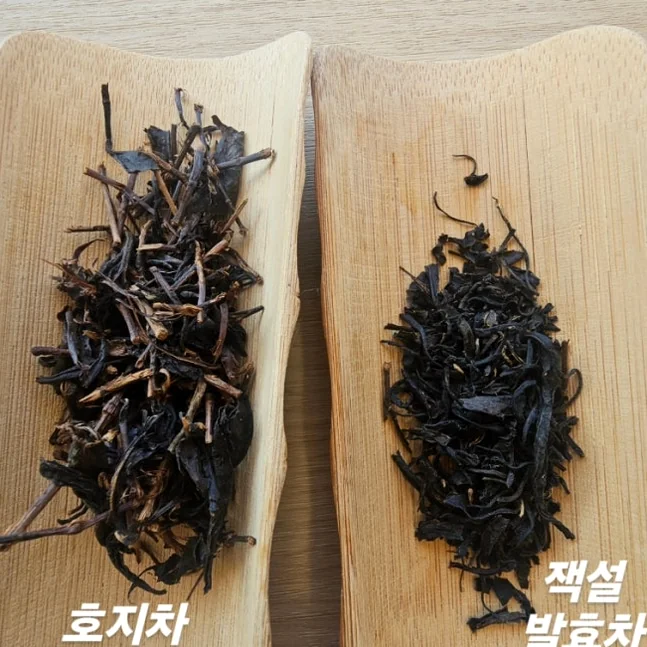
Before retreating from the mountain, a visit to the gallery shop is mandatory for the serious collector. The 2026 collection features exclusive Buncheong and Baekja porcelain, each piece forged in local Hadong kilns to specifically enhance the oxygenation of the region’s unique fermented teas. Whether it is the robust earthiness of Hojicha or the elusive, silken notes of Hwang-cha, these vessels are designed to carry the mountain’s silence back to the city. The tactile quality of the unglazed clay and the subtle aroma of the dried leaves create a lingering memory of the mountain's quietude.
Ultimately, the Hadong Wild Tea Museum is a reminder that the most profound luxuries are those that cannot be hurried. Located at 571-25 Ssanggye-ro, the museum remains accessible yet secluded, requiring a four-hour pilgrimage from the capital that is best undertaken by private car. In the digital rush of 2026, the aromatic winds of the Hwagae Valley offer a necessary recalibration of the senses. It is a return to the essential, an invitation to breathe in rhythm with the ancient roots of the Jirisan peaks, perhaps followed by a spiritual detour to the neighboring Ssanggyesa Temple to complete the itinerary.
📅 Local Weather Guide
Gyeongsangnam-do Weather🌐 Read this post in other languages:
• 🇯🇵 日本語版 (Japanese Version)
Join the conversation