Terroir of Time: The 29th Hadong Wild Tea Cultural Festival 2026
The Verdant Legacy of Hadong
In the quiet majesty of the Jirisan mountain range, where the Seomjin River weaves its silver path, lies a landscape that has breathed the aroma of tea for over twelve centuries. This is Hadong, the sacred cradle of Korean tea. As the Chief Editorial Director of K-Life Hack, I find that few events capture the essence of Korean go-jeok-ha-da—that profound sense of quietude and peace—quite like the Hadong Wild Tea Cultural Festival. Scheduled for the first five days of May 2026, this 29th edition transcends a mere agricultural fair; it is a curated celebration of a lifestyle steeped in patience and refinement. This government-designated festival honors the very site where Korea's tea journey began, offering a rare opportunity to acquire a deeper understanding of the nation's spiritual heritage.
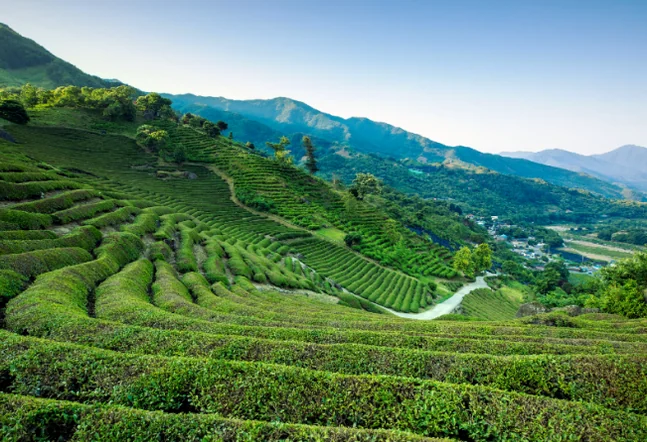
Architectural Rhythms and Natural Canvas
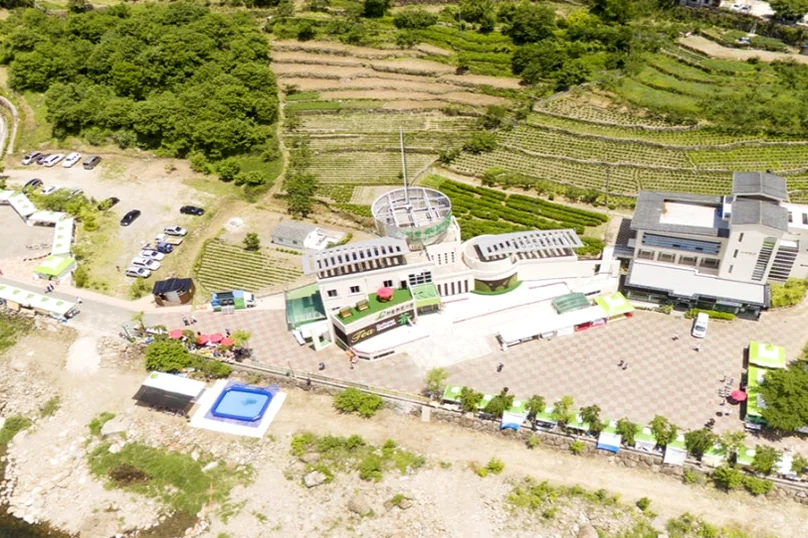
To understand the Hadong experience is to understand its unique topography. Unlike the manicured, flat tea plantations found elsewhere in Asia, Hadong tea is wild, thriving on rocky slopes and hidden valleys. The visual rhythm of these plantations is a masterpiece of organic architecture. From an aerial perspective, the fields form an intricate, artistic maze that follows the natural contours of the mountain, creating a tapestry of deep greens and earthy browns that shifts with the light of the morning sun.
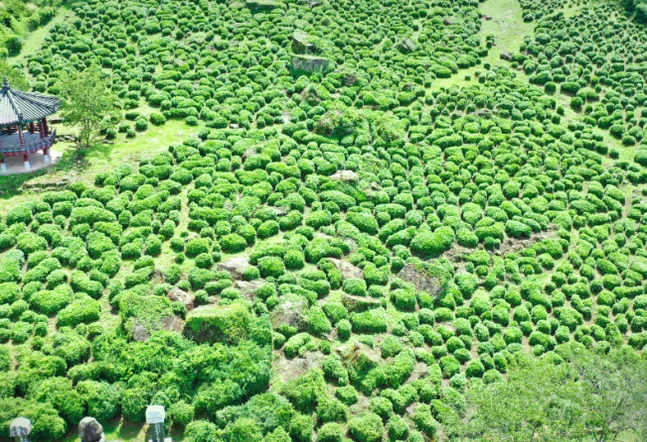
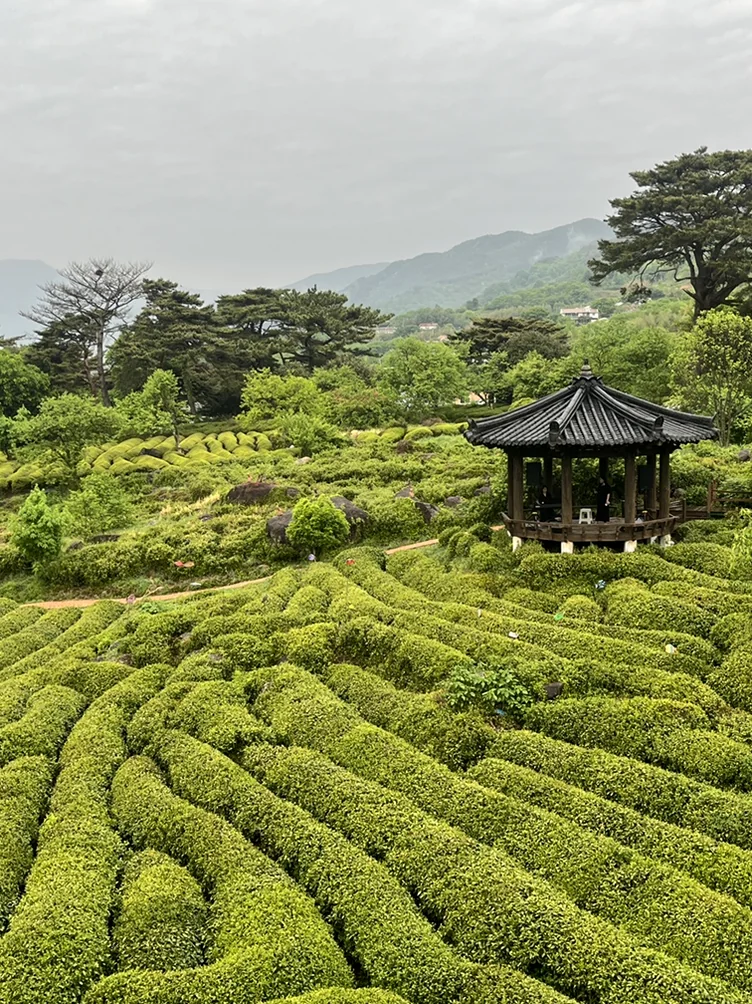
Walking through these fields, one encounters traditional Korean gazebos harmoniously nestled within the verdant waves. These structures serve as more than just resting points; they are frames for the landscape, allowing visitors to contemplate the symbiotic relationship between human cultivation and the untamed wild. The air here is thin, crisp, and carries the faint, grassy sweetness of young leaves—a scent known locally as the breath of the mountain, providing an exceptional sensory immersion.
The Choreography of the Tea Ceremony
At the heart of the festival is the Jeda process—the traditional art of roasting tea. This is a physical choreography of heat and hand. Master artisans toss the fresh leaves in large iron cauldrons, a process known as sal-cheong, to halt fermentation and preserve the vibrant spirit of the leaf. Visitors can observe this ritual and even participate, feeling the warmth of the kiln and the changing texture of the leaves under their fingertips—a tangible connection to a thousand-year-old craft.
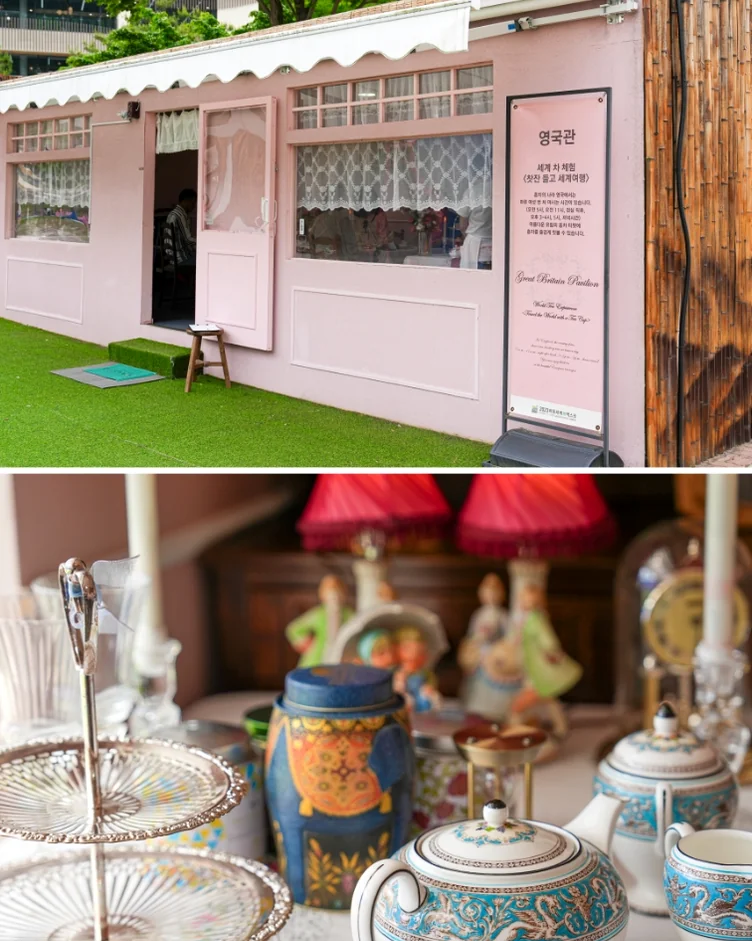
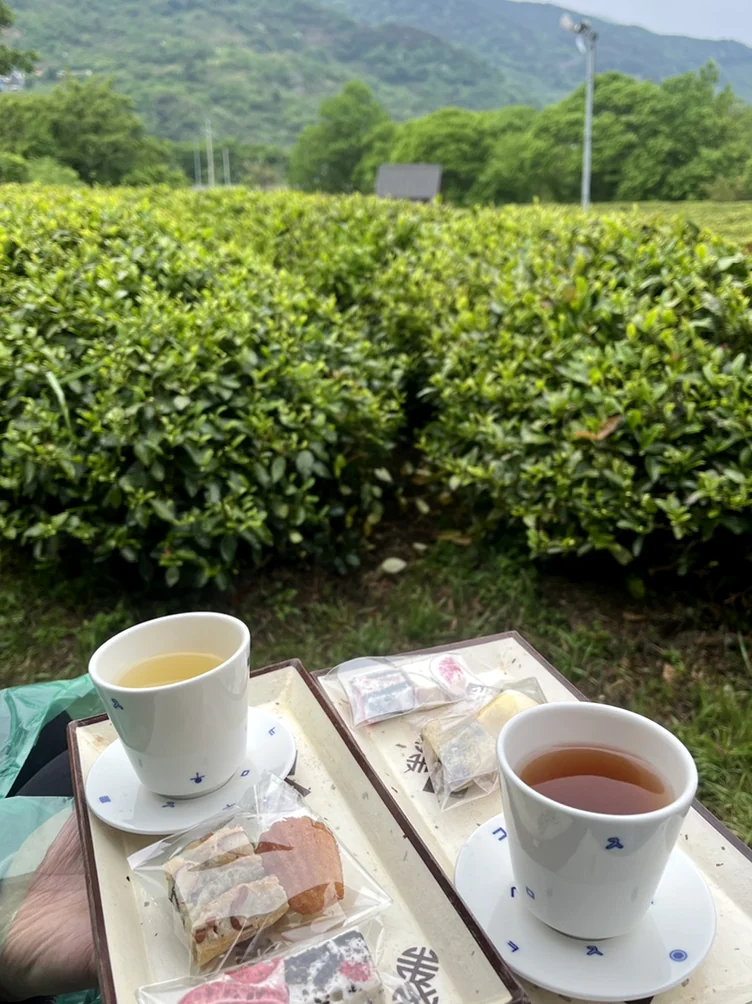
For those seeking a more contemporary interpretation, the festival offers curated lifestyle pavilions. Imagine a sophisticated, pink-hued aesthetic pavilion where antique tea sets meet modern minimalist design. Here, the experience is intimate. You are served a selection of Woo-jeon—the prestigious first-picked tea of the season—accompanied by traditional snacks like honey-infused rice cakes and seasonal flower sweets. Each sip is a lesson in nuance, moving from a subtle nutty flavor to a lingering floral finish that represents the pinnacle of Korean tea culture.
A Symphony of Sound and Scenery
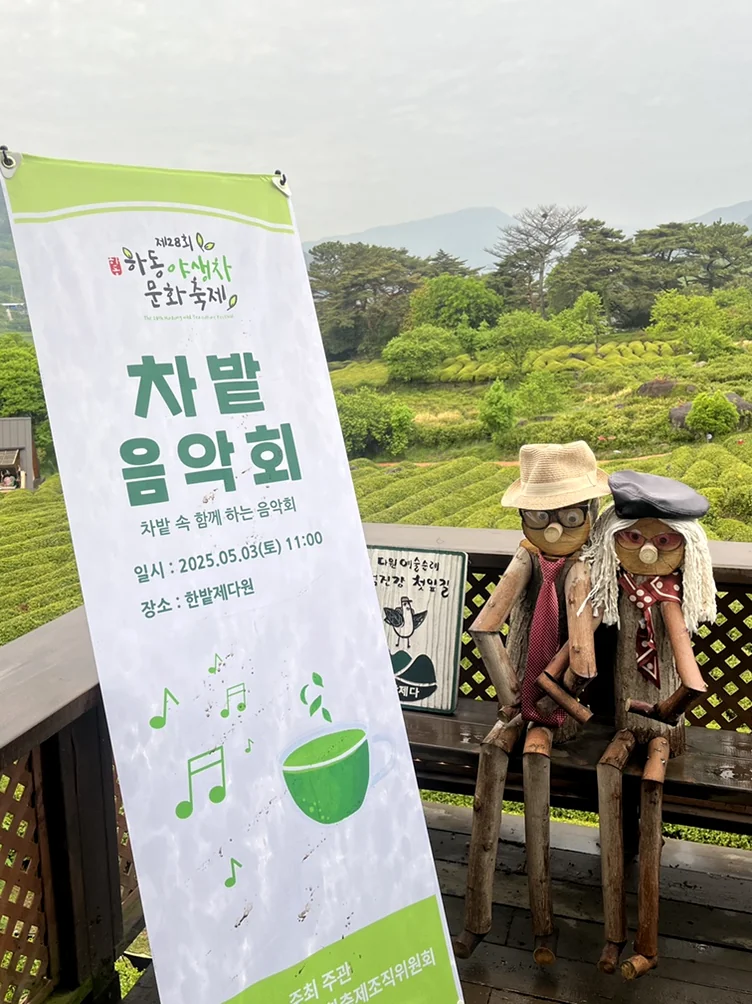
One of the most exclusive highlights is the Tea Field Concert, an event that demands early coordination through the Nolluwa cooperative to secure access. Far removed from the bustle of urban music festivals, these performances are staged directly within the tea gardens of the Ssanggye-ro valley. The scale of the event is impressive yet remains remarkably personal, as the music echoes across the river and through the valleys. It is a rare moment where the auditory and the visual align perfectly, creating a memory that feels both ancient and entirely new.
Practical Essentials and Cultural Access
While the beauty of the festival is ethereal, the logistics are grounded in convenience. Entry to the main festival grounds is complimentary, though specific immersive programs require a modest fee. For the most seamless experience, the three-experience package provides access to various traditional workshops and tastings at a curated price.
| Program/Service | Estimated Fee (KRW) | Key Highlights |
|---|---|---|
| Main Festival Entrance | Free | Access to grounds and market |
| Green Tea Foot Bath | 10,000 | Healing with fermented tea |
| World Tea Experience | 5,000 | Tastings from UK, Turkey, etc. |
| Jeda (Roasting) Class | 2,000 | Hands-on traditional tea making |
| Tea Field Picnic Rental | Free | 2-hour rental with tea set |
Director K's Perspective 🍃
The true allure of Hadong lies in its refusal to be hurried. To optimize your visit, aim for the opening day on May 1st or a weekday morning. Arriving by 09:00 ensures you can register for popular hands-on workshops before they reach capacity. The early morning mist over the tea fields also provides the most compelling photographic opportunities for those documenting their journey.
Navigating to this mountain sanctuary from Seoul is a journey of transition. High-speed buses from Seoul Nambu Terminal or East Seoul Terminal facilitate a direct route to Hadong. Upon arrival, the use of local buses or the designated seasonal autonomous shuttles is the most sophisticated way to reach the Hwagae-myeon district, avoiding the narrow valley roads. For international guests, the World Tea Pavilion serves as an excellent bridge, where the tactile nature of tea-roasting and healing foot baths transcends language. This is a definitive destination for those seeking to touch the authentic heart of Korean heritage.
📅 Local Weather Guide
Gyeongsang Weather🌐 Read this post in other languages:
• 🇯🇵 日本語版 (Japanese Version)
Join the conversation