Seogosa Temple Stay: Local's Guide to Serene Reflection in Jeonju
- 📍 What you'll find here: Seogosa Temple Stay offers a thoughtful dive into Korean Buddhist culture and mindful reflection, all set in Jeonju's green surroundings, with a special World Peace Meditation Center on site.
- 🧘♀️ How it feels: It's a 'Rest-Type' (휴식형) Temple Stay, made for relaxation, meaning you won't need to exert much physically, but it definitely encourages some deep thinking.
- ⏰ When to go: Weekdays or off-peak times are best, especially in spring when things start to bloom or autumn for the colorful leaves, to really enjoy the quiet if you're going alone or with just a few people.
- 💡 A note from K: For the best visit, try to enjoy some solitude, and remember to pack your own toiletries. Always check the official website for 'Rest-Type' (휴식형) program dates to make sure it fits your search for calm.
As K, living and working in Pangyo's busy tech scene, I often find myself looking for quiet spots beyond the city, searching for some of Korea's most peaceful and beautiful places. Today, that search led me to Seogosa (서고사), a lovely old temple tucked away in Jeonju, Jeollabuk-do (전북특별자치도 전주시). It's more than just somewhere to visit; it feels like a starting point for anyone wanting a break from the noise of modern life, a place where you can almost hear the old stories in the air and find a real sense of calm.
What's special about this place 📍
Seogosa is one of Jeonju's oldest spots, nestled right into the Hwangbangsan (황방산) mountain range, which sort of watches over the newer Jeonju Innovation City. What makes Seogosa really stand out is that it's both a classic Korean Buddhist temple and home to the World Peace Meditation Center (세계평화명상센터), mixing old traditions with a modern approach to well-being. When I visited, I saw how the old wooden buildings, with their nice, soft curves, just fit perfectly with the nature around them, making everything feel very peaceful.
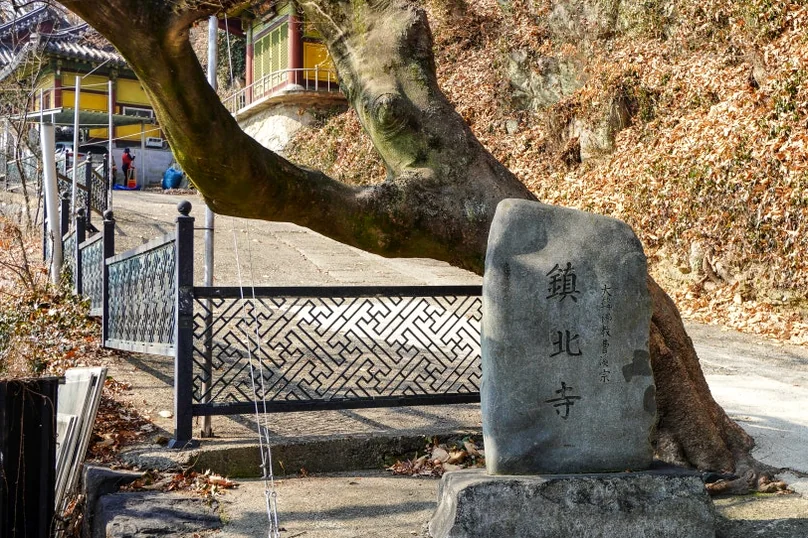
Getting to Seogosa feels like starting an adventure, as you walk up a quiet mountain path. This stone marker, with '서고사 일주문' (Seogosa Iljumun) carved into it, acts like a soft entrance to the temple grounds, letting you know you're moving from everyday life into something more thoughtful. It sits there beautifully under a big, old tree, making you want to pause and think even before you get to the main buildings, feeling like the mountain itself is gently pulling you deeper inside.
What you first notice at Seogosa 🌿
When you arrive, it's clear how much the temple fits in with nature. The buildings, with their recognizable grey tiled roofs and soft yellow walls, are tucked right into the hillside, surrounded by the stark but lovely shapes of bare trees. This whole scene, 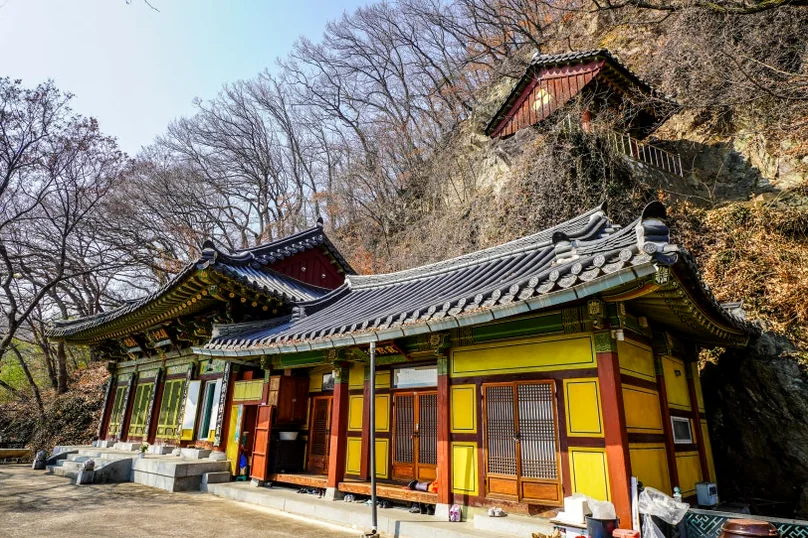 , tells you a lot about how old the temple is and how it’s always been connected to the natural world, which feels especially meaningful during the seasons when things are changing, inspiring a bit of self-reflection. The air itself has a fresh, earthy smell, a subtle hint of how untouched the surroundings of Seogosa truly are.
The main prayer hall, the Daeungjeon (대웅전), really shows off some impressive traditional Korean craftsmanship. If you look closely, 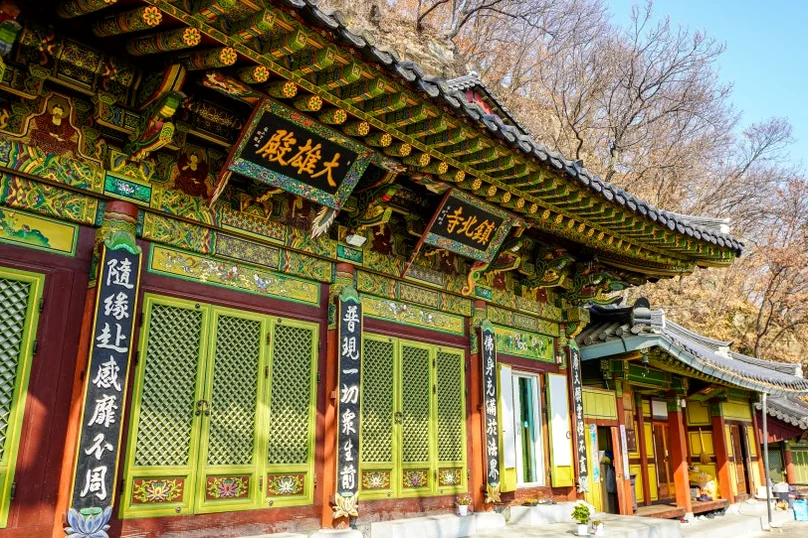 , you can see the detailed wooden eaves and a clear signboard that says '대웅전'. The design is pretty thoughtful, and the colors, even if they're not super bright, look great, making the space feel spiritually important. Once you step inside, a quiet sense of peace settles over you, helping your mind get ready to reflect and feel more connected to the temple's essence.
My stay was a 'rest-type' temple stay, which I booked easily through their official website. I got there after work on a Saturday and quickly got used to the temple's quiet pace. The room was really clean and nicely set up, complete with a traditional Korean vest. The warmth from the *ondol* (온돌), Korea's traditional underfloor heating, felt especially good, particularly since I was lucky enough to have a room all to myself, which gave me a really nice sense of privacy and calm.
Getting into the calm of a Temple Stay 🍵
What really defines the Seogosa experience, especially with the 'rest-type' program, is getting the chance to think without feeling rushed. Even just reading a book feels different here, surrounded by all that quiet. I ended up reading something about Buddhist teachings, which felt like a perfect fit for the setting and really connected with me. The temple grounds, especially the newer World Peace Meditation Center, have good, clean spaces, though a few spots can get a bit chilly in winter — but that's a small thing when you consider how much peace you find here.
One of the best parts was the tea ceremony with a monk (스님과의 차담), which was a lovely, close conversation that gave me some really good ideas about Buddhist thought and life. We talked so easily, full of thoughtful points, that the prayer bead making (염주 꿰기) we did afterward felt like a quick, quiet meditation. The prayer beads (염주) I made aren't just a souvenir; they're a physical reminder of how peaceful that day was and the thoughts I had. Inside one of the quiet halls, 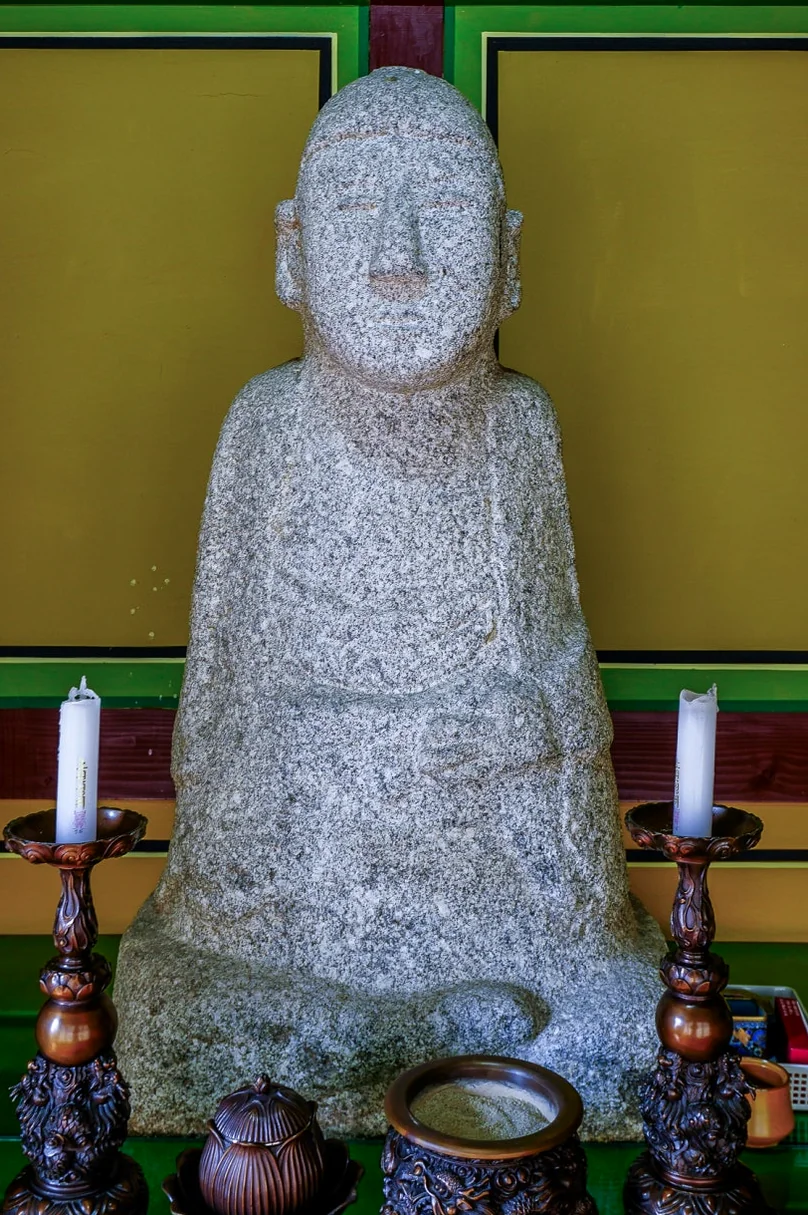 shows a grey stone Buddha statue, a lasting symbol of peace and understanding, with candles and incense burners around it, all coming together to make a sacred space for quiet respect and thinking, which really touched my spirit.
Meal times, called *gongyang* (공양), are straightforward but very good. Even though there's no meat, the food is clearly made with a lot of thought, using fresh ingredients that are in season. The *baechujeon* (배추전), or savory cabbage pancakes, were especially tasty – I actually went back for more. Eating in that kind of quiet setting, with everyone being so mindful, makes you appreciate each bite, turning a simple meal into something a bit like meditation.
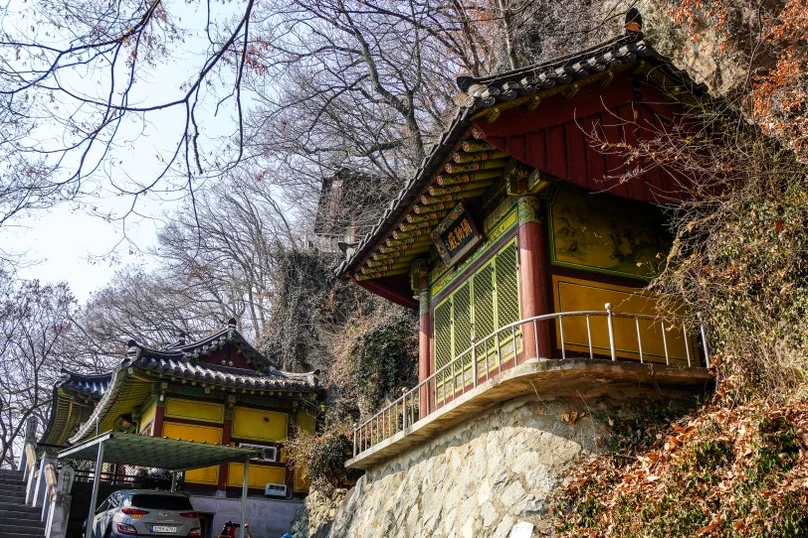
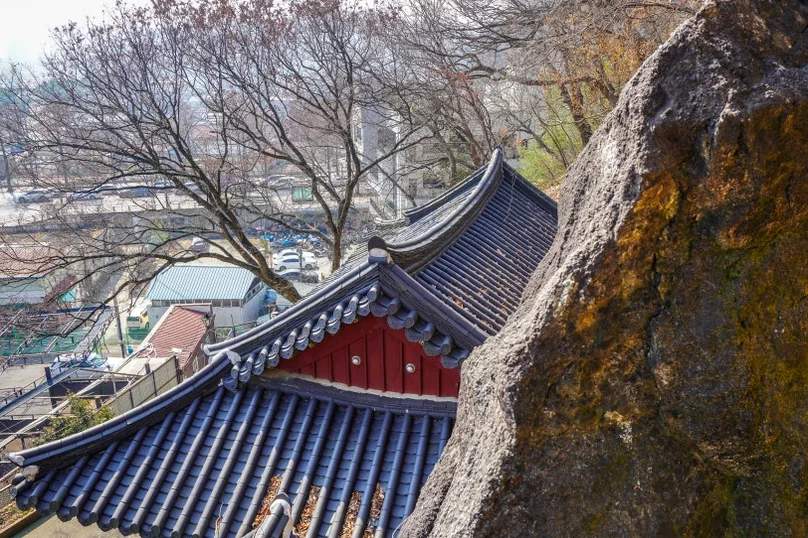
The views at Seogosa are quite something, especially seeing it from different angles. From certain spots, you can see several traditional Korean temple buildings, painted with touches of red and yellow, built right into the rocky hillside; their sturdy feel matches the sparse winter plants around them. This particular view, , really highlights how well human effort and nature work together here, showing off a lasting way of building. At the same time, looking down from above, , you get to see the interesting shapes of the dark tiled rooftops with their bright red eaves, all framed by the thin branches of bare trees, which gives you a different kind of appreciation for the architecture and a peek into the temple's calm, ordered design.
A closer look at the Samseonggak at Seogosa
Sitting on a stone base against a rocky slope, you'll find a traditional Korean temple building called the Samseonggak (삼성각), 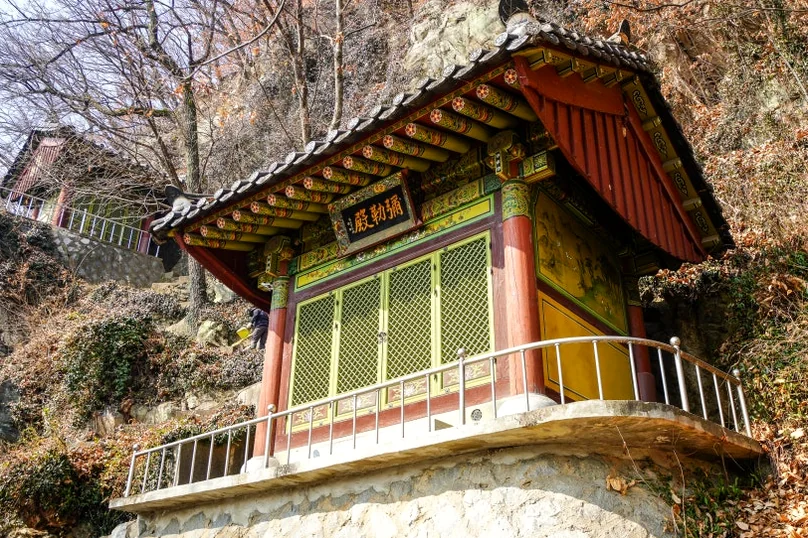 , with its bright yellow walls and red roof. It's a good example of the different spiritual beliefs found at the temple. This hall is usually for the mountain spirit (산신, Sansin), the Big Dipper (칠성, Chilseong), and the solitary saint (독성, Dokseong), which gives you an idea of how Korean Buddhism blends different ideas. Higher up, there's another traditional building,
 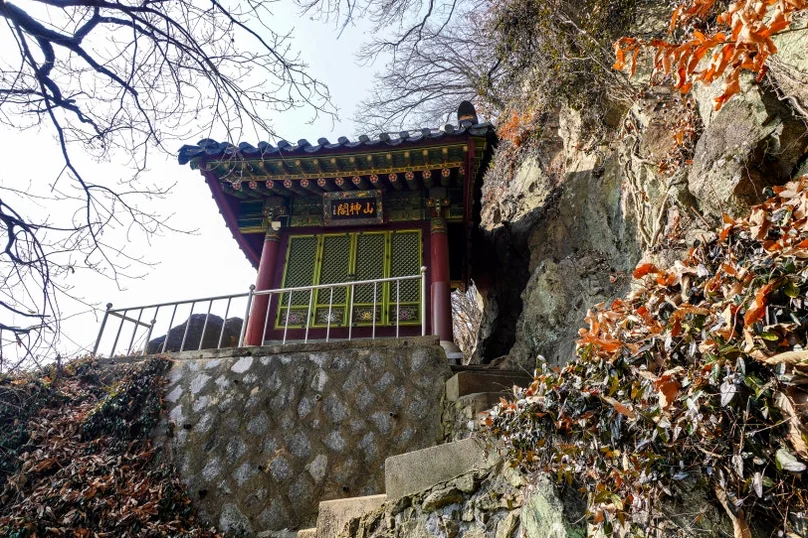 , with a dark tiled roof and yellow walls, set intentionally on a stone platform. This really brings out the steep, rocky ground around it, adding to the temple's striking look and its feeling of being high up and hidden away, making you appreciate its special place.
Even though my visit happened on a somewhat hazy day, you couldn't miss how beautiful the area around Seogosa really is. I could easily picture amazing views on a clear day, with the calm landscape being a great spot for thinking. After an evening *yebul* (예불), which is a Buddhist chanting service, and getting to sleep surprisingly early (around 10:30 PM, which almost never happens for me!), I joined the optional 5 AM dawn *yebul*. That was a truly eye-opening experience. The monks' dedication is something else, and that short 10-20 minute service really sets a thoughtful mood for the day. After, a simple but filling breakfast of *nurungji* (누룽지, scorched rice soup) and potato soup gave me the energy I needed, getting me ready for whatever the day would bring.
Tips for your quiet trip 🗺️
Getting ready for your Seogosa Temple Stay
Booking your temple stay is pretty easy through Seogosa's official website. I chose the 'rest-type' (휴식형), which is perfect if you're looking for simple relaxation instead of really deep spiritual work. Just keep in mind that things like towels and hairdryers aren't provided, so make sure to bring those, along with any books or journals you might want to spend some time with. The temple really gives you a chance for serious rest, letting you get a wonderfully deep, peaceful sleep, which just shows how much calm is in every part of the place.
🌟 When it's time to leave, remember to clean up your room and sort your trash for recycling, just as a polite gesture for the temple's upkeep. Saying goodbye to the monk, who unexpectedly gave me a prayer bead bracelet and some kind words, made me feel lighthearted and gave me a nice reminder of how much a trip like this can change your perspective; it was a really good way to end the whole experience.
What I thought, and some common questions 🙏
A Seogosa Temple Stay is definitely more than just a quick trip; it feels like something good for your spirit, especially if you're dealing with the usual pressures of modern life. The deep calm, the simple but tasty *gongyang*, and the thoughtful activities like tea time and making prayer beads all come together to make you feel refreshed from the inside out. Getting to unplug and find yourself again in such a beautiful, old place is really something special.
I really recommend it (강추) for anyone who needs a '쉼' (shim - a rest and a break) and some quiet time to think, showing that sometimes the best journeys are the ones that take you inward. The quiet at Seogosa lets you feel truly connected again, an experience that stays with you long after you've walked back down the mountain path, bringing a fresh sense of clear-headedness and calm into your daily routine.
📅 Local Weather Guide
Jeolla Weather🌐 Read this post in other languages:
• 🇯🇵 日本語版 (Japanese Version)
Join the conversation