Oedolgae, Seogwipo: A High-End Guide to Jeju's Solitary Sentinel
- Majestic sea stack, dramatic sunsets, and Olle Trail 7 panoramas define its unique appeal.
- This natural landmark is open year-round, offering timeless beauty without specific events.
- Oedolgae Rock is majestically situated in Seogwipo-si, on the stunning Jeju Island.
- Rich in local legends, it also stands as a poignant historical site from WWII.
- Late afternoon visit recommended; the golden hour illuminates the rock and sea ethereally.
In the discerning world of K-Life Hack, we seek out destinations that resonate beyond fleeting trends – places that possess a timeless gravitas, a unique dialogue between nature and narrative. Seogwipo's Oedolgae Rock, a solitary sentinel standing steadfast against the tumultuous embrace of the Pacific, is precisely such a locale. This is not merely a scenic spot; it is a profound architectural statement by nature, steeped in a history both mythical and starkly real, offering a canvas for introspection and breathtaking visual choreography.
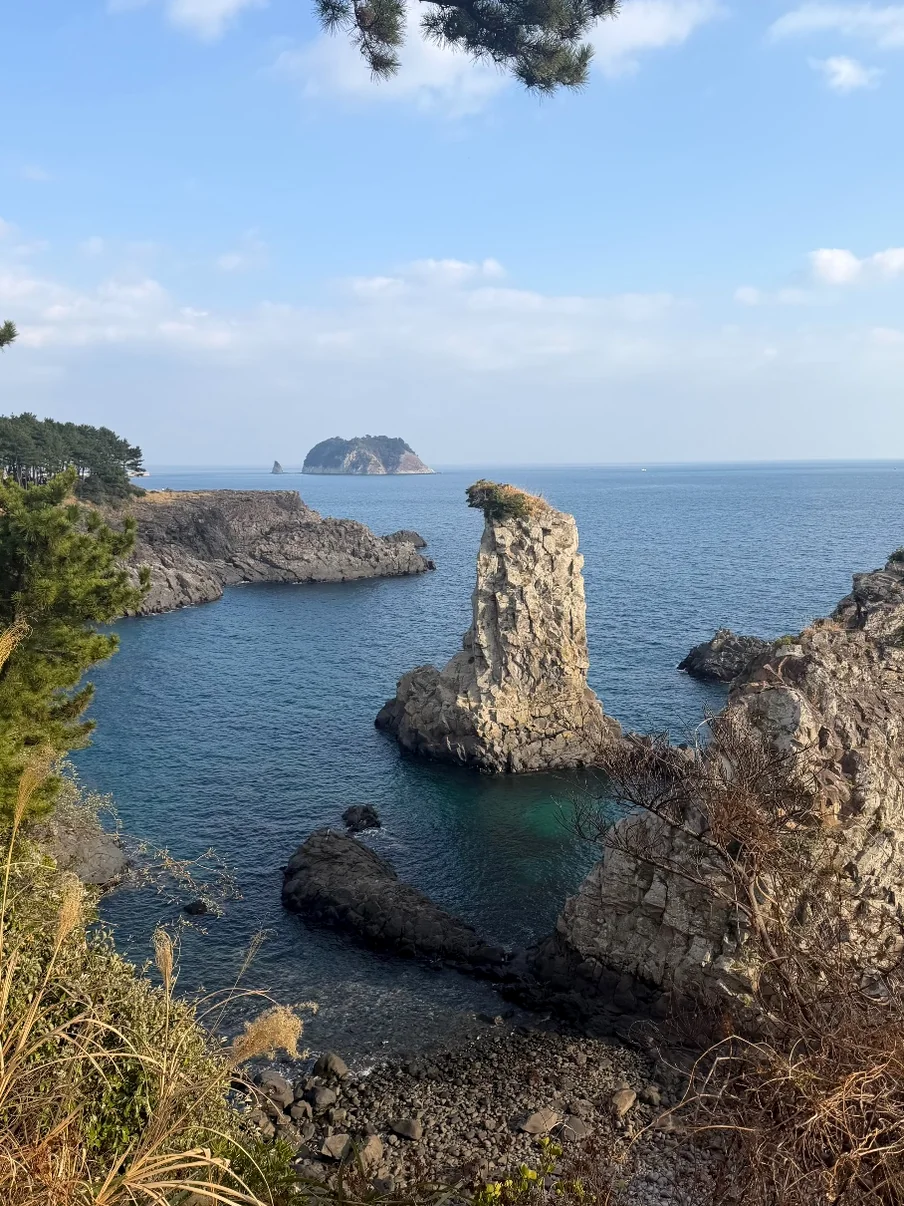
The Architectural Statement of Nature 🏞️
At first glance, Oedolgae — literally "Lonely Rock" — presents itself as a colossal, 20-meter-tall sea stack, sculpted by the relentless forces of volcanic eruption and oceanic erosion over 1.5 million years. This is geology as art, a single, monumental pillar asserting its dominance in the cerulean expanse. The sheer scale, often underestimated in photographs, demands an immediate physical presence, compelling visitors to pause and absorb its grandeur. Its isolation isn't one of vulnerability, but of quiet authority, a masterclass in minimalist design by the Earth itself.
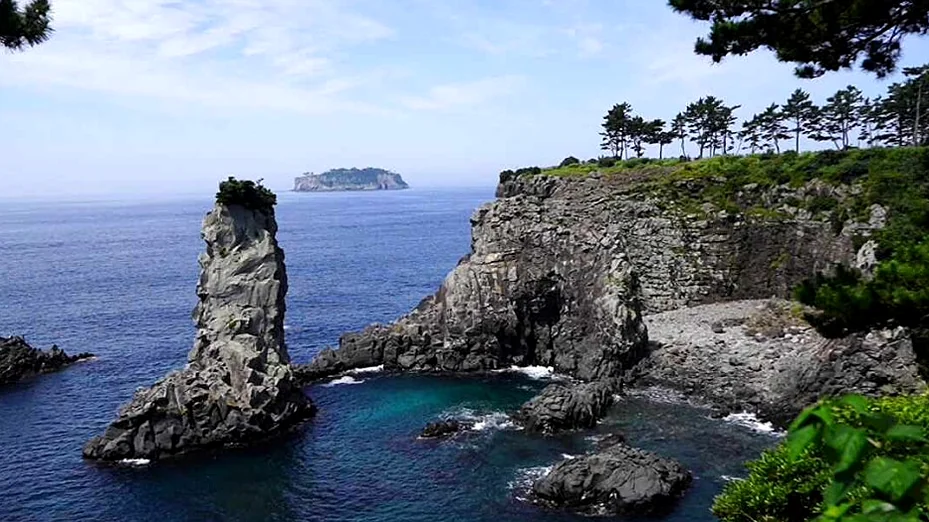
Echoes of History: The General and the Grandmother 📜
Beyond its geological prowess, Oedolgae is imbued with rich local lore, transforming it from a mere rock into a living monument. One legend recounts how General Choi Young of the Goryeo Dynasty ingeniously disguised this rock as a formidable general to deceive and repel invading Mongol forces. Thus, it earned the name "Janggunbawi" or "General Rock," embodying a fierce, unyielding spirit. Another, more poignant tale, is that of "Halmangbawi" or "Grandmother Rock," where an elderly woman, heartbroken by her fisherman husband's disappearance at sea, waited eternally until she turned to stone, her devotion etched into the very landscape. These narratives offer layers of cultural depth, allowing visitors to connect with the island's soul, understanding why this seemingly isolated formation holds such a vital place in the Jeju psyche.
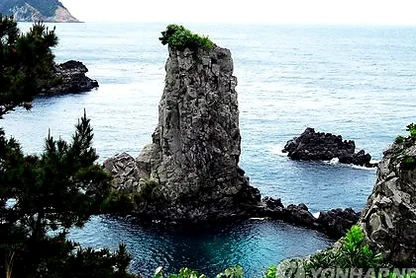
A Stroll Through Time: Olle Trail 7 and Wartime Remnants 🚶♀️
The journey to Oedolgae is as vital as the destination itself. It forms a breathtaking segment of the famed Jeju Olle Trail 7, a path that guides one through fragrant pine forests, offering curated vistas of the rugged coastline. The path, at times a well-maintained deck and at others a natural earth track, underscores the raw, untamed beauty of Jeju. What often surprises even seasoned travelers are the twelve man-made caves along the Hwangwooji Coast, adjacent to Oedolgae. These were meticulously carved by the Japanese military during World War II, intended as hidden bases for torpedo boats, a grim testament to a painful chapter in history. While direct exploration of the caves is restricted, their presence offers a sobering counterpoint to the natural splendor, inviting contemplation on the profound intersections of human conflict and natural resilience.
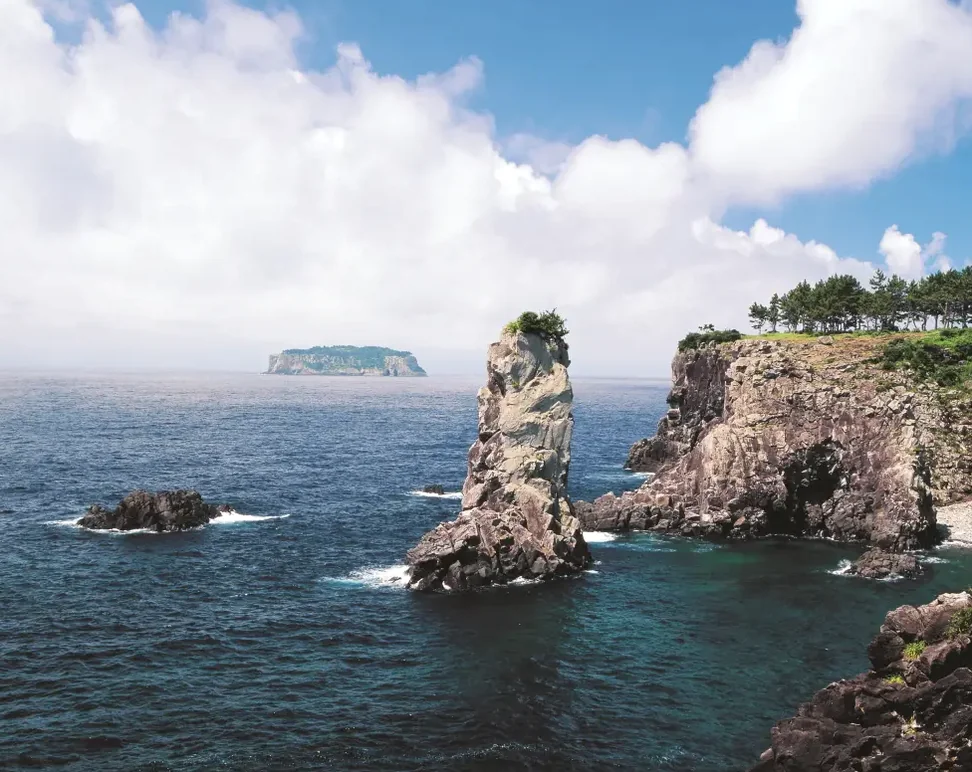
The Golden Hour: Oedolgae's Sunset Spectacle ✨
To truly grasp the essence of Oedolgae, a visit during the "golden hour" is not merely recommended but imperative. As the sun begins its descent, painting the sky in fiery oranges, soft purples, and incandescent golds, the rock transforms. The ocean's surface becomes a shimmering tapestry of "yunseul" (sunlit ripples), creating a theatrical backdrop that elevates the solitary rock to a masterwork of natural illumination. This precise timing allows for an utterly immersive experience, where the interplay of light and shadow, the crisp sea air, and the rhythmic crash of waves orchestrate a sensory symphony. It’s a moment of unparalleled aesthetic purity, one that bypasses typical tourist appreciation to strike a deeper, more personal chord.
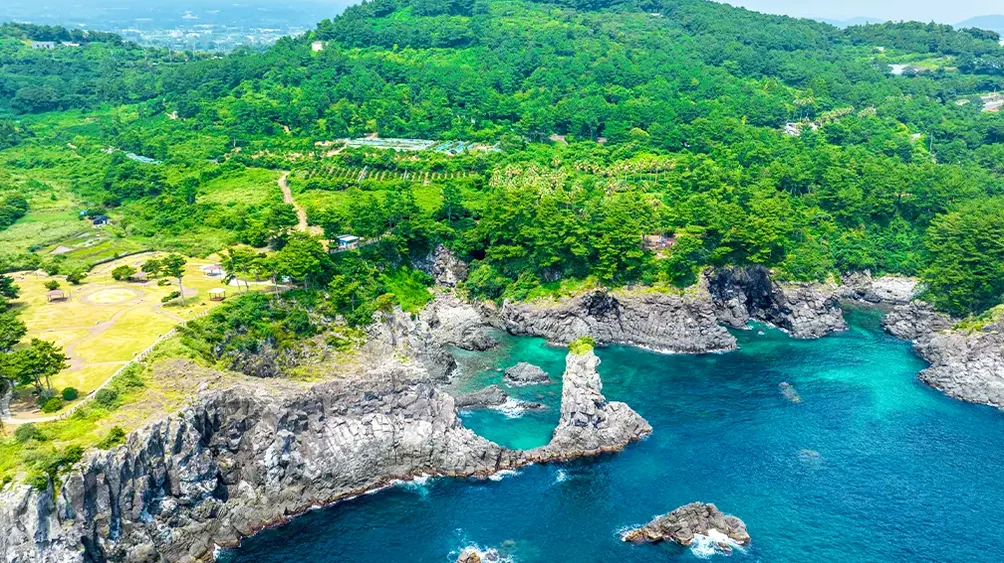
Oedolgae Rock, in its profound simplicity and complex history, offers more than just a photograph; it offers a dialogue. It encourages visitors to connect with the island's geological past, its poignant legends, and its resilient spirit. As a curated experience for the high-end traveler, it transcends the ordinary, serving as a reminder that true luxury often lies in the authenticity and depth of one's engagement with the world's most enduring wonders. It is, unequivocally, a cornerstone of the Jeju itinerary, promising both profound beauty and quiet contemplation for those who seek to truly understand its silent, powerful allure.
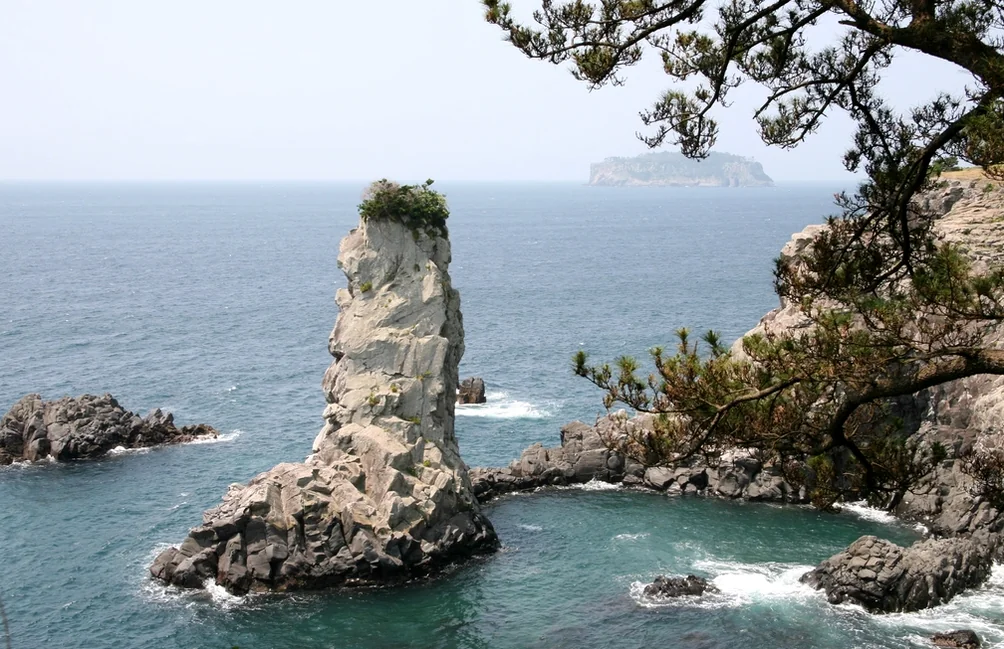
The discerning visitor will find that Oedolgae offers multiple perspectives, each revealing a different facet of its charm. From the primary viewing platform, its iconic profile is undeniable. Yet, venturing slightly further to Dongneobeondeok, also known as Namju Haegeumgang, reveals a broader canvas. Here, the panoramic vista includes not only Oedolgae but also the distant silhouettes of Beomseom and Seopseom, and the graceful arc of Saeyeongyo Bridge. This wider perspective enriches the narrative, positioning Oedolgae not just as a standalone wonder, but as an integral part of Jeju's breathtaking coastal tapestry, a composition of unparalleled natural artistry that beckons repeat visits.
- Address: 791 Seohong-dong, Seogwipo-si, Jeju-do
- Operating Hours: Open 24/7 (Natural Site)
- Admission: Free
- Parking: Public parking available (some paid, some free sections)
- Transport: Bus stop "Oedolgae" (e.g., Seogwipo City Tour Bus 880)
📅 Local Weather Guide
Jeju Weather📍 Oedolgae Rock
791 Seohong-dong, Seogwipo-si, Jeju-do
🌐 Read this post in other languages:
• 🇯🇵 日本語版 (Japanese Version)
Join the conversation