Nostalgic Sanctuaries: Jeonju Zoo and the 2026 Eco-Aesthetic Evolution
- Experience ecological habitats, nostalgic DreamLand, and the breathtaking Girinji cherry blossom paths.
- The 2026 Spring Flower Festival arrives this April with enchanting extended night viewings.
- Located at 68 Sori-ro, Deokjin-gu, just ten minutes by taxi from Jeonju Station.
- A sanctuary showcasing Korea’s sophisticated shift toward ethical conservation and animal welfare.
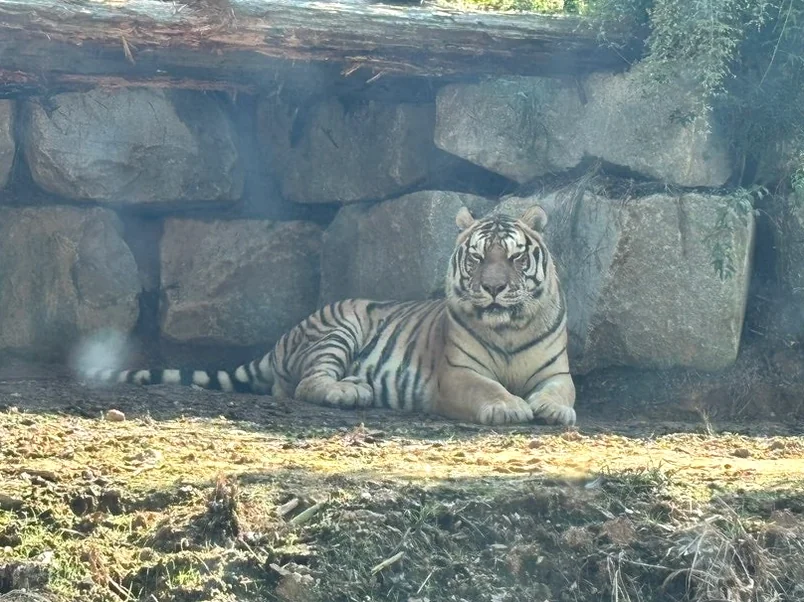
- Capture the Forest of Tigers at 4 PM for the most majestic golden hour light.
While Jeonju is globally celebrated for its historic Hanok Village, the 2026 season reveals a more nuanced layer of the city’s identity at Jeonju Zoo. This facility is no longer a mere relic of the past; it has undergone a rigorous transformation into an 'Ecological Zoo.' This evolution reflects a profound shift in Korean societal values, where the younger generation prioritizes environmental ethics and animal dignity over simple entertainment. The architecture of the zoo now favors immersion over observation, allowing visitors to witness wildlife within landscapes that mimic their natural bio-networks.
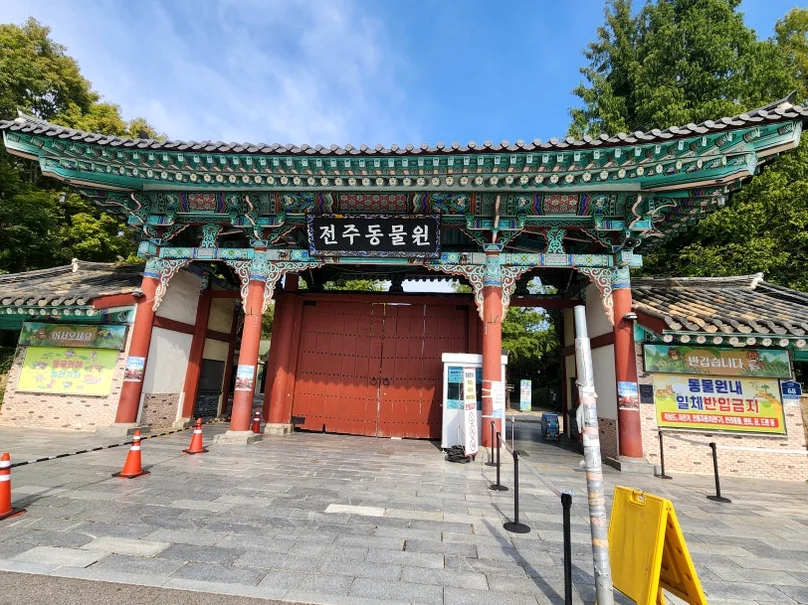
The journey begins at the majestic main gate, a structure that seamlessly blends traditional Korean aesthetics with the lush greenery of Deokjin-gu. Stepping inside, one immediately notices the absence of cramped, concrete cages that once defined 20th-century zoos. In their place are expansive, naturalistic enclosures. This architectural decision is part of Korea's broader 'Green New Deal' for urban spaces, aimed at creating sustainable habitats that offer mental sanctuary for both the residents and the guests. The commitment to animal welfare is palpable, with species-specific enrichment programs integrated into the daily routine of the animals.
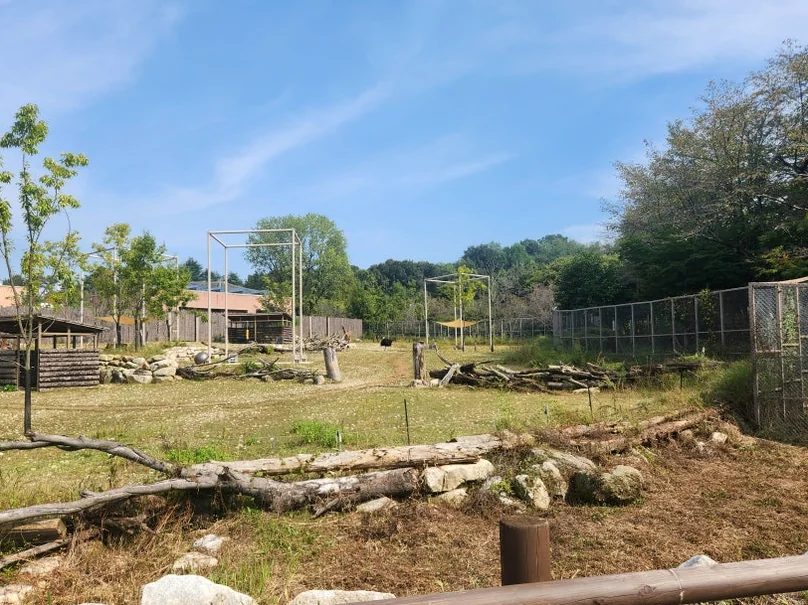
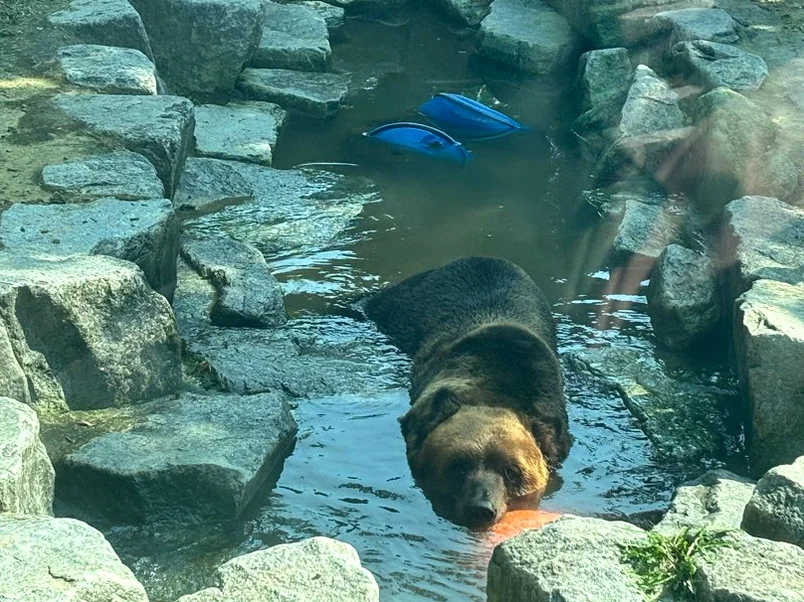
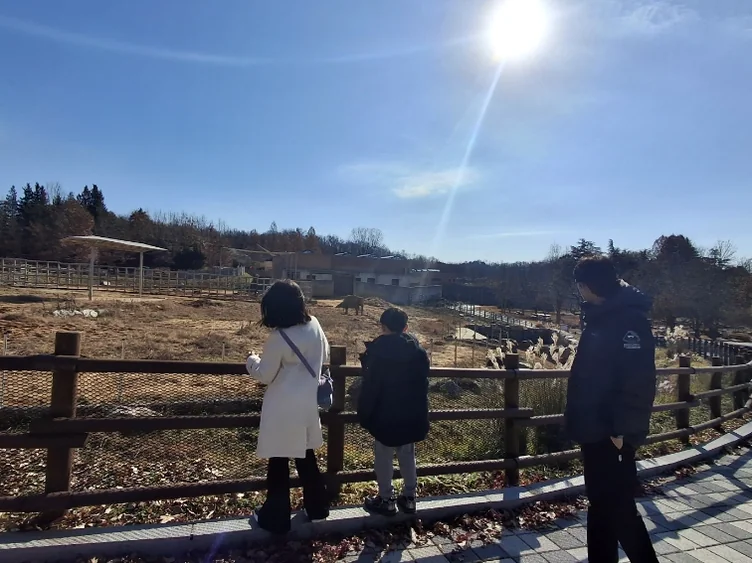
One of the most striking features of the 2026 landscape is the predator zone. Here, Siberian tigers and brown bears reside in rocky, shaded grottos that provide ample privacy and stimulation. Observers are often treated to the sight of bears cooling off in stone-lined pools, a scene that feels more like a wildlife documentary than a city outing. This design philosophy bridges the gap between urban life and the wild, satisfying the modern traveler's desire for authentic, ethical encounters with nature. It is a quiet rebellion against the fast-paced digital world, encouraging a slower, more contemplative form of tourism.
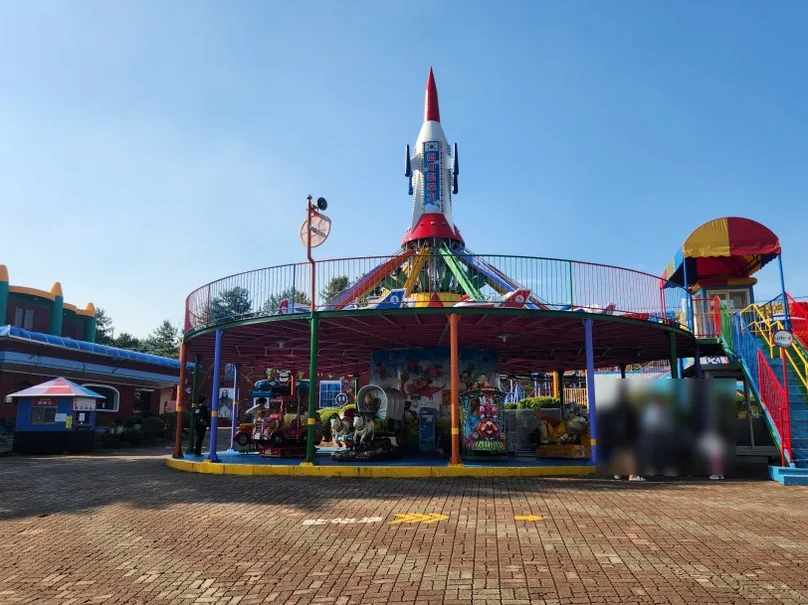
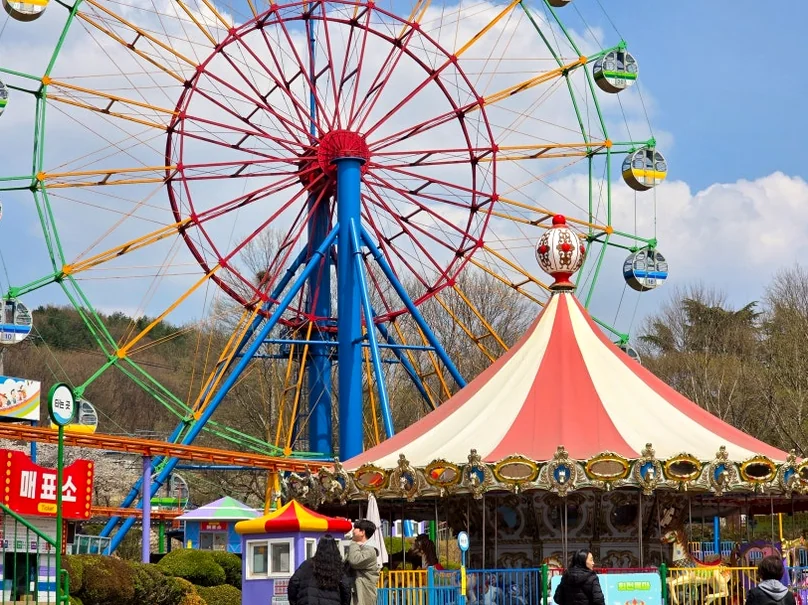
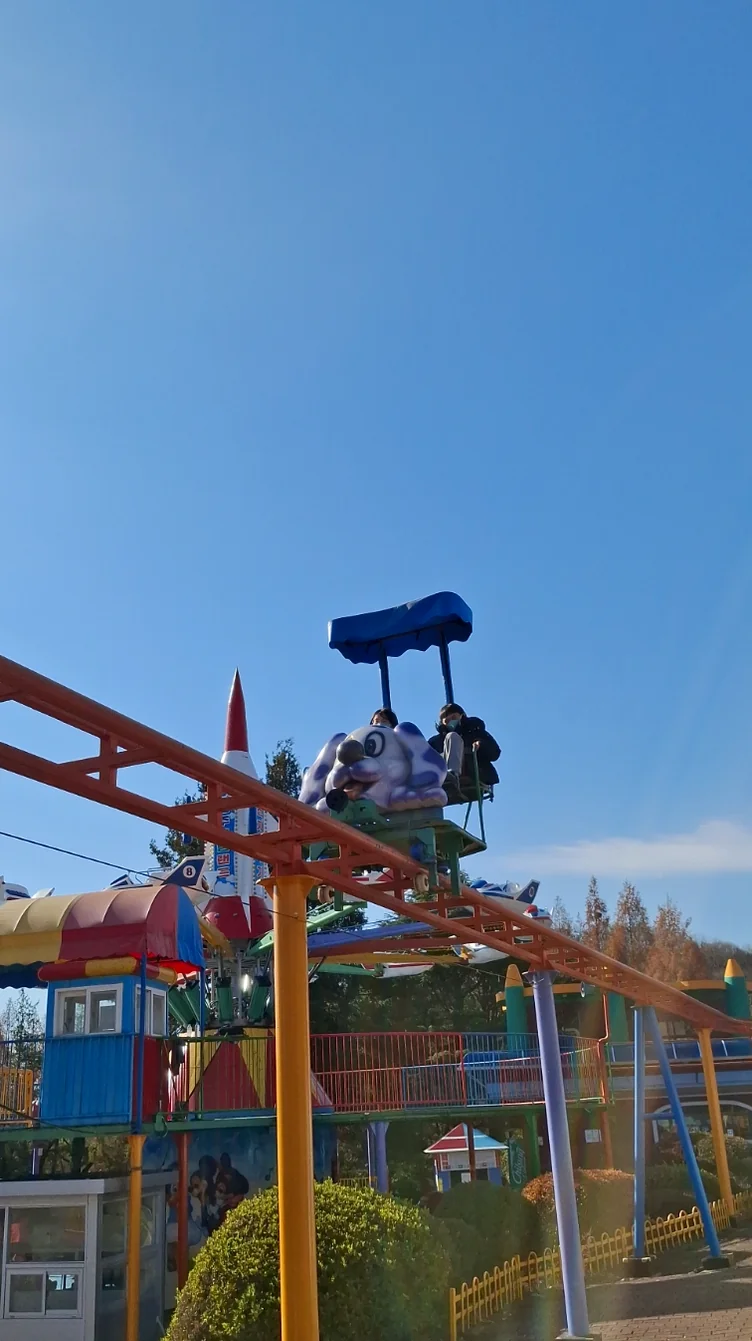
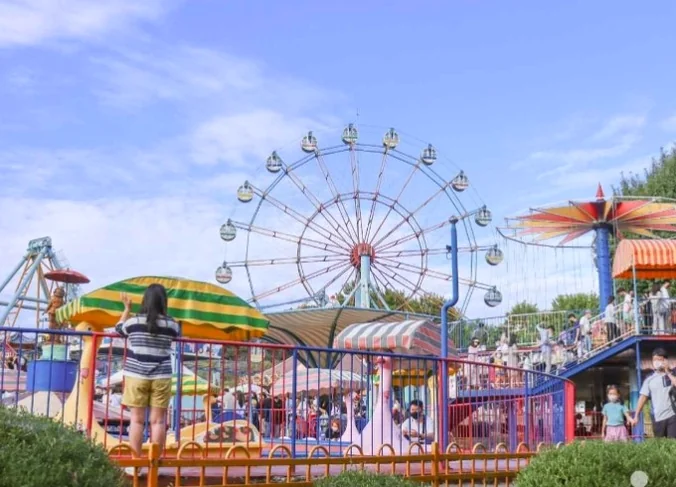
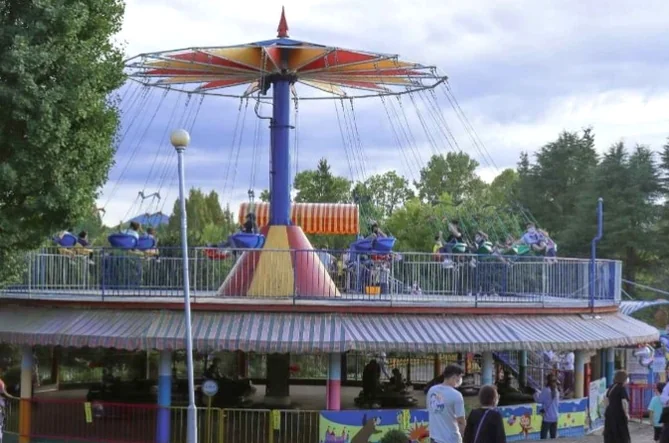
Deep within the zoo's grounds lies DreamLand, an amusement section that has become a cult favorite for its 'Newtro'—new and retro—aesthetic. In an era of high-tech VR theme parks, DreamLand’s charm lies in its analog sincerity. The vintage rocket rides and spinning swings offer a tactile joy that resonates with Gen Z's fascination with the 1980s and 90s aesthetic. This nostalgia is not just about the past; it is a curated experience of 'simpler times' that provides a stark, refreshing contrast to the high-pressure modern Korean lifestyle.
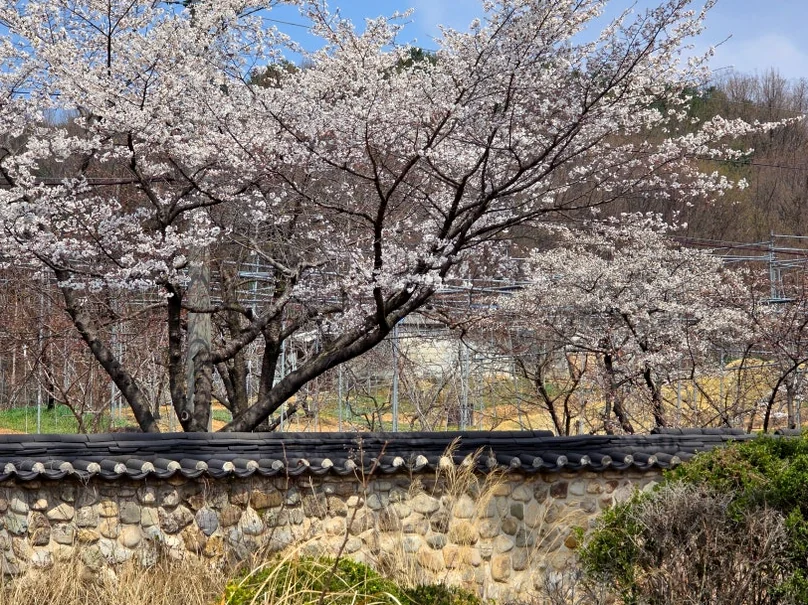
Spring in Jeonju is synonymous with the ephemeral beauty of cherry blossoms. The zoo’s Girinji pond area becomes the epicenter of this seasonal ritual. Unlike the crowded festivals of Seoul, the blossom tunnels here offer a more intimate atmosphere. The sight of petals falling over traditional stone walls and reflecting in the tranquil waters of the pond is a masterclass in Korean landscape architecture. This 'K-Spring' aesthetic is deeply rooted in the concept of Muwi-jayeon, or living in harmony with nature without artificial interference.
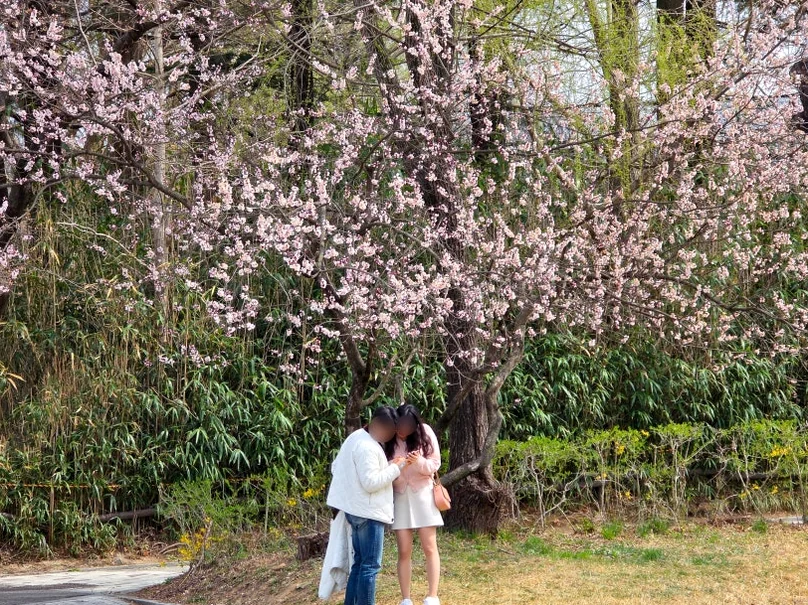
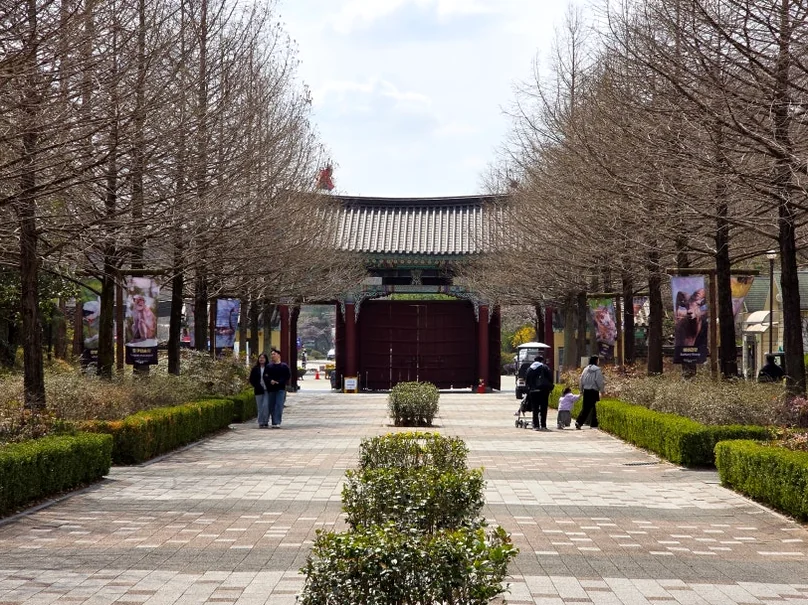
For the sophisticated traveler, the zoo offers various perspectives on the park. The monorail ride provides an elevated view of the sprawling grounds, allowing one to appreciate the scale of the ecological habitats from above. Meanwhile, the tree-lined promenades invite long, meditative walks. It is common to see young couples and families sharing quiet moments under the canopy of blooming trees, a behavior that underscores the zoo's role as a vital communal space for emotional healing and connection.
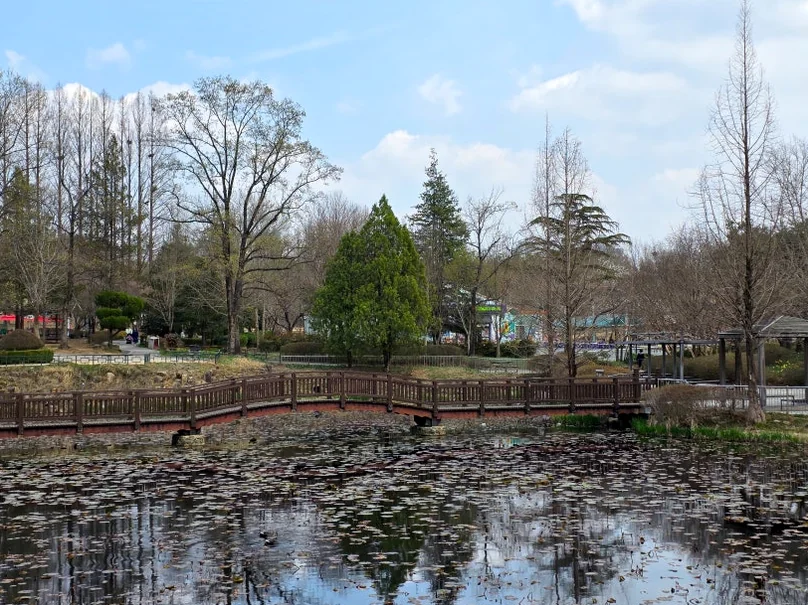
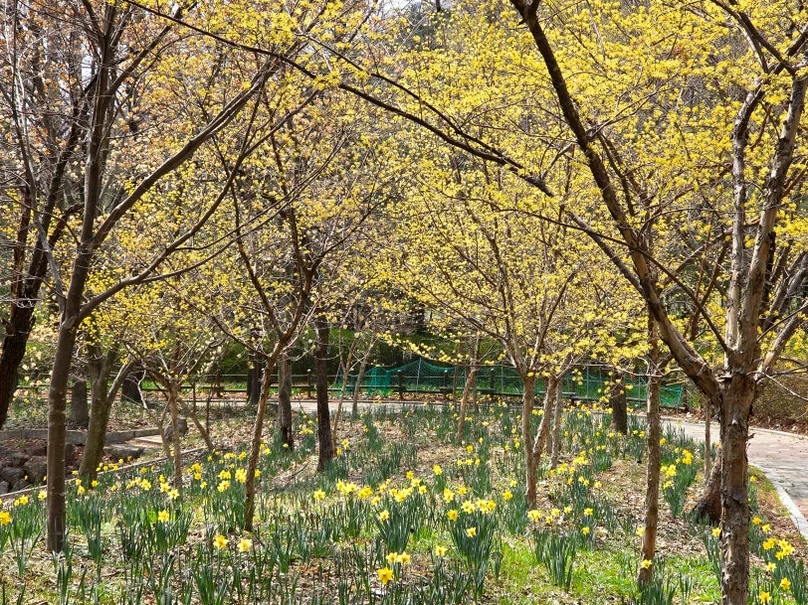
The botanical diversity within the zoo is equally impressive. Beyond the cherry blossoms, vibrant yellow spring flowers carpet the forest floors in late April, signaling a rebirth that transcends the animal kingdom. These gardens are meticulously maintained to support local biodiversity, including butterflies and birds that are native to the Jeonju region. It is a holistic ecosystem where every element—from the willow trees leaning over the pond to the smallest wildflower—is part of a larger narrative of environmental restoration.
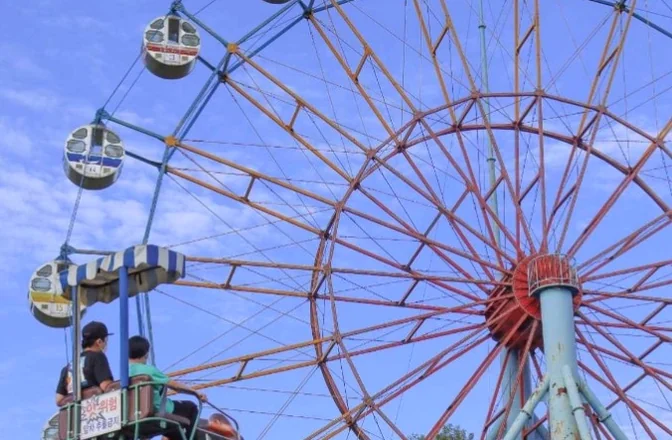
As the sun begins to set, DreamLand transforms. The Ferris wheel and carousel light up, casting a colorful glow against the evening sky. The vintage gondolas of the Ferris wheel provide the perfect vantage point to see the city of Jeonju transitioning into the night. This juxtaposition of a quiet, ecological sanctuary and a vibrant, retro playground creates a multi-sensory experience that is uniquely Korean. It is a place where tradition, modern ethics, and nostalgic play coexist in perfect equilibrium.
The 2026 season also sees an increase in interactive, though non-intrusive, educational programs. Visitors can learn about the history of the species and the specific conservation efforts being made to protect them. This shift toward education-based tourism is a response to the global demand for travel experiences that contribute positively to the destination. By visiting, guests are directly supporting the ongoing ecological renovation projects that make Jeonju Zoo a leader in sustainable park management in Asia.
To truly appreciate the zoo, one must embrace the 'slow' movement. Rushing through the exhibits defeats the purpose of the ecological design. Instead, lean over the wooden fences, breathe in the scent of the spring forest, and observe the rhythmic movements of the wildlife. The zoo is a microcosm of the new Jeonju—a city that honors its past while fearlessly redefining its future through the lens of sustainability and refined aesthetics.
Whether you are a photographer seeking the perfect retro shot of a spinning swing or a naturalist looking for a quiet moment by a willow-lined pond, Jeonju Zoo in 2026 offers a profound sense of place. It is a destination that asks you to look closer, stay longer, and reflect on the delicate balance between the human world and the natural one. It remains a cornerstone of the Jeonju travel experience, providing a sophisticated alternative to the more commercialized tourist spots of the peninsula.
Director K’s Insight: In an age where digital noise dominates our senses, Jeonju Zoo stands as a testament to the luxury of "slow living." It is not merely a collection of flora and fauna, but a masterfully curated space that challenges us to rethink our relationship with the living world. The 2026 transformation proves that when heritage meets ethical innovation, the result is nothing short of poetic.
- Address: 68 Sori-ro, Deokjin-gu, Jeonju-si, Jeollabuk-do
- Admission Fees: Adults: 3,000 KRW / Teens: 2,000 KRW / Children: 1,000 KRW
- DreamLand Pricing: Individual rides: 2,000 KRW / 3-Ride Pass: 5,000 KRW / 5-Ride Pass: 8,000 KRW
- Operating Hours: 09:00 - 19:00 (March to October), Last entry at 18:00
- Parking: Available at the main entrance (Flat rate of 1,000 KRW per day)
- Accessibility: Stroller and wheelchair rentals are available at the information center near the main gate.
📅 Local Weather Guide
Jeonju Weather📍 전주동물원
전북특별자치도 전주시 덕진구 소리로 68 전주동물원
🌐 Read this post in other languages:
• 🇯🇵 日本語版 (Japanese Version)
Join the conversation