Narrative Arc at Banghwa Neighborhood Park: The 2026 Gangseo Fairy Tale Festival
- 🏞️ AI-scripted fairy tales, grand parades, and twenty-eight immersive zones define this high-tech festival.
- 🗓️ The 2026 season unfolded on April 25 at the height of Seoul's spring.
- 📍 Banghwa Neighborhood Park serves as a lush urban sanctuary in Seoul's Gangseo district.
- 💎 This event blends digital literacy with analog nostalgia for a new generation of creators.
- 💡 Arrive by 09:30 AM to secure a prime viewing spot for the grand parade.
The concept of childhood in 2026 has evolved into a sophisticated blend of tactile reality and digital imagination. At the heart of this transformation lies the Gangseo Children's Fairy Tale Festival, an annual pilgrimage to Banghwa Neighborhood Park that redefines how we consume and create narratives. This is not merely a local fair; it is a curated spatial choreography where the green canopy of the park becomes a living theater for the stories that shape our collective psyche. The decision to anchor such an event in the serene landscape of Banghwa-dong reflects a cultural desire to ground our high-speed digital lives in the enduring stability of nature.
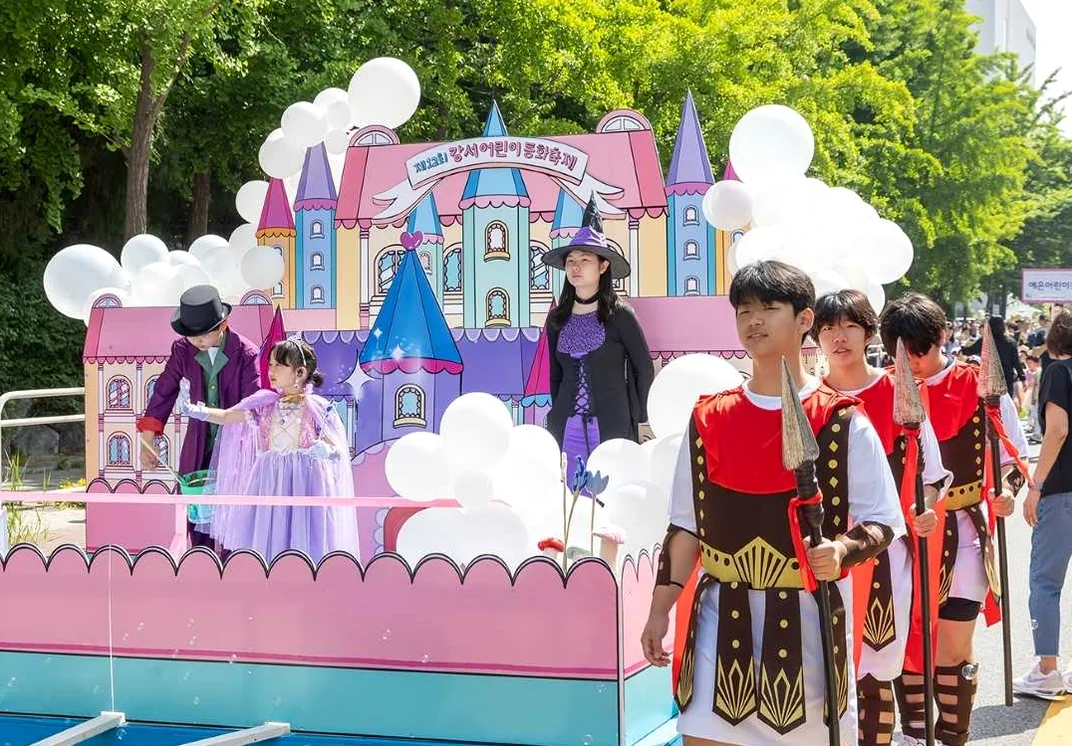
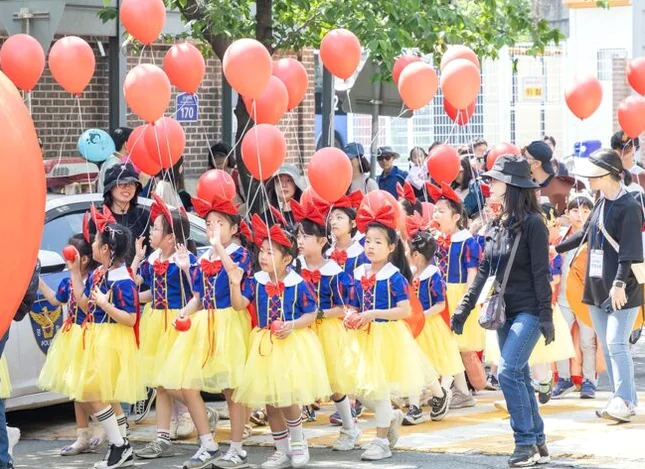
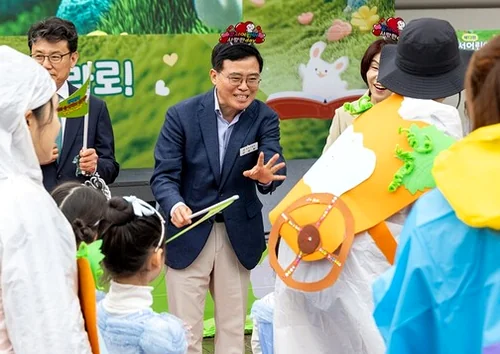
The festival begins with a meticulously staged parade, a rhythmic flow of color and sound that bridges the distance between Seoul Digital Content High School and the park’s main gates. In the 2026 season, the spectacle achieved a new level of grandeur, featuring military bands and young participants dressed as icons from timeless literature. This movement through space serves a deeper purpose: it ritualizes the act of entering a 'fairy tale world,' effectively detaching the visitor from the mundane urban grind of the Gangseo district and preparing the mind for creative immersion.
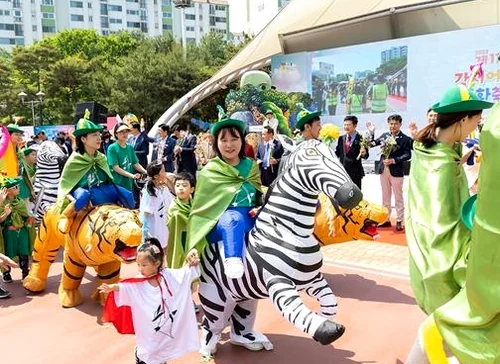
Central to the 2026 experience was the integration of Artificial Intelligence. Unlike the rudimentary implementations of years past, this year’s theme, 'Children and AI Writing Stories Together,' allowed participants to collaborate with generative algorithms to manifest unique narrative arcs. This synthesis of human creativity and machine intelligence highlights a pivotal shift in Korean cultural values: embracing the technological future without discarding the emotional warmth of classic storytelling. Watching a child guide an AI to illustrate a scene from Peter Pan is a profound testament to the evolving nature of literacy in the modern age.
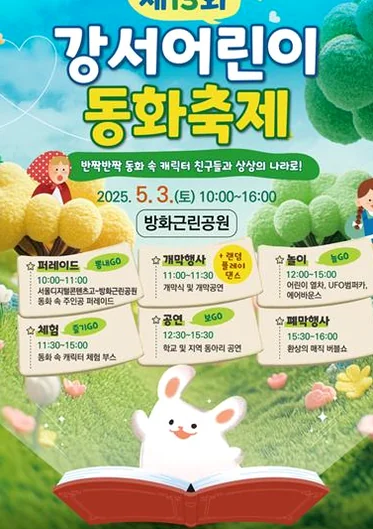
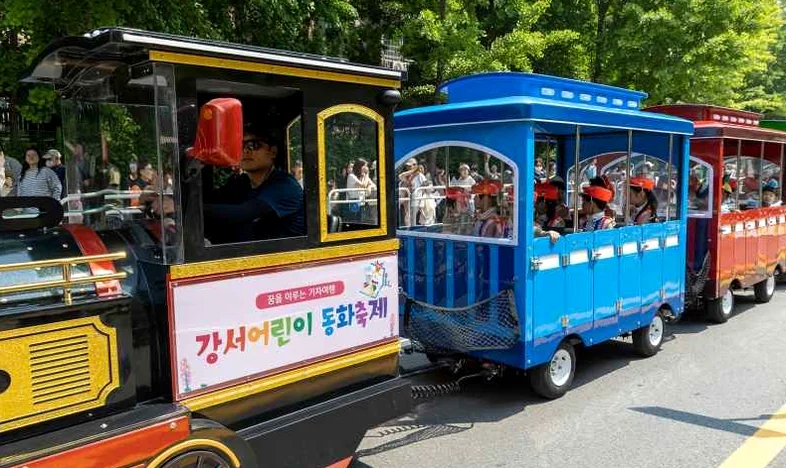
The physical layout of Banghwa Neighborhood Park was divided into four distinct philosophical zones: Play, Enjoy, See, and Eat. The 'Play Zone' acted as a kinetic sculpture, featuring UFO bumper cars and a miniature train that circumnavigated the event’s central axis. These mechanical movements contrast sharply with the 'Experience Zone,' where the focus shifts to the artisanal and the tactile. Here, the pace slows, encouraging a meditative focus on the craft of creation.
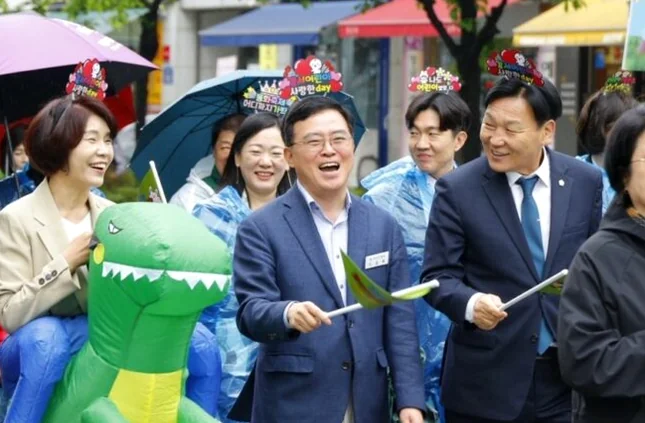
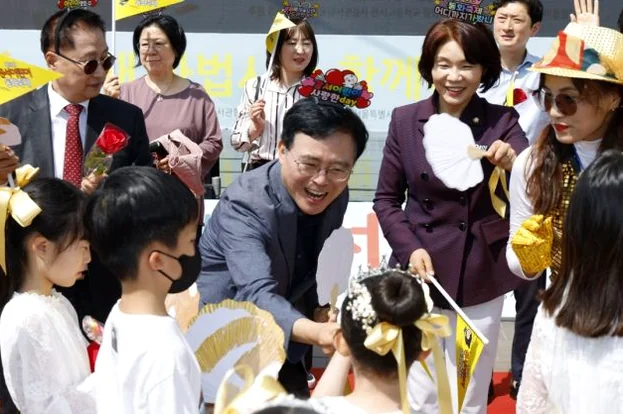
Within the 28 experience booths, the curation leaned heavily into the sensory. Participants engaged in the construction of 'Planet Bracelets,' a delicate exercise in geometry and color theory, or the assembly of solar system mobiles. These activities are more than mere pastimes; they are exercises in understanding the scale of the universe through manual labor. The tactile resistance of threading beads or coloring mirrors provides a necessary grounding for children whose daily lives are increasingly dominated by frictionless touchscreens.
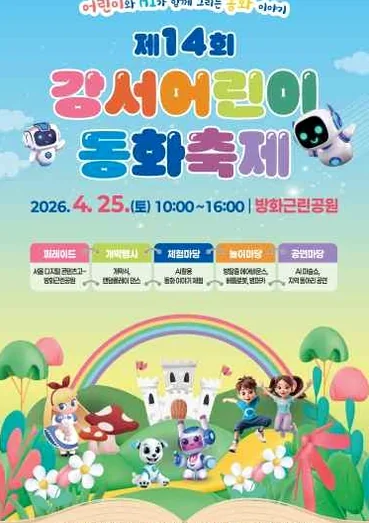
Performance art also found its place on the park’s stage, ranging from high-energy Taekwondo demonstrations to ethereal magic shows that utilized AI-augmented visuals. These spectacles utilize the park’s natural acoustics and open-air layout to create an atmosphere of shared wonder. It is here that the community's social fabric is most visible, as families from across the city occupy the grass with "Dotjari" picnic mats, reclaiming public space for leisure and intellectual stimulation. The aesthetic of the 'Giant Flower' photo zones added a surreal quality to the landscape, turning every visitor into a protagonist within their own visual narrative.
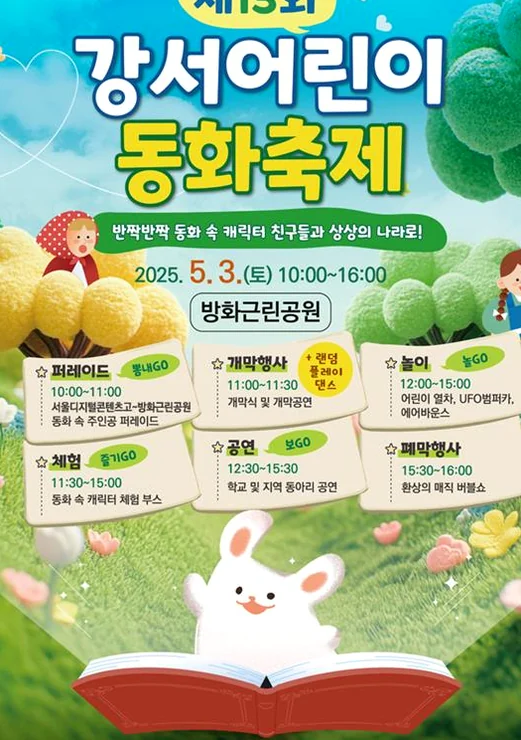
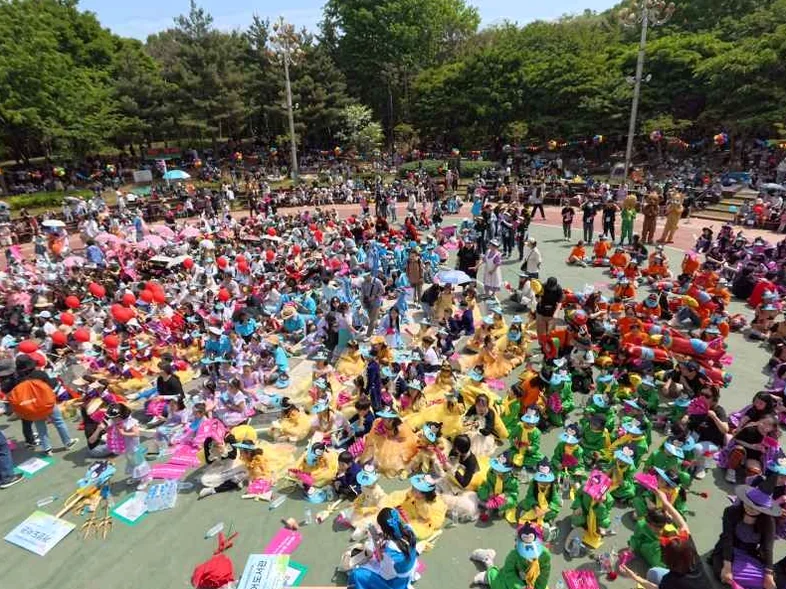
Gastronomy at the festival was equally curated, with a dedicated food truck zone offering a relief from the dense activity of the experience booths. The choice of street food—from classic Tteokbokki to modern fusion snacks—served as the final sensory layer of the event. However, the true luxury of the day was the spatial layout itself; despite the thousands in attendance, the expansive lawns of Banghwa Neighborhood Park allowed for moments of quiet reflection amidst the vibrant chaos. This balance between the collective and the individual is the hallmark of a world-class urban festival.
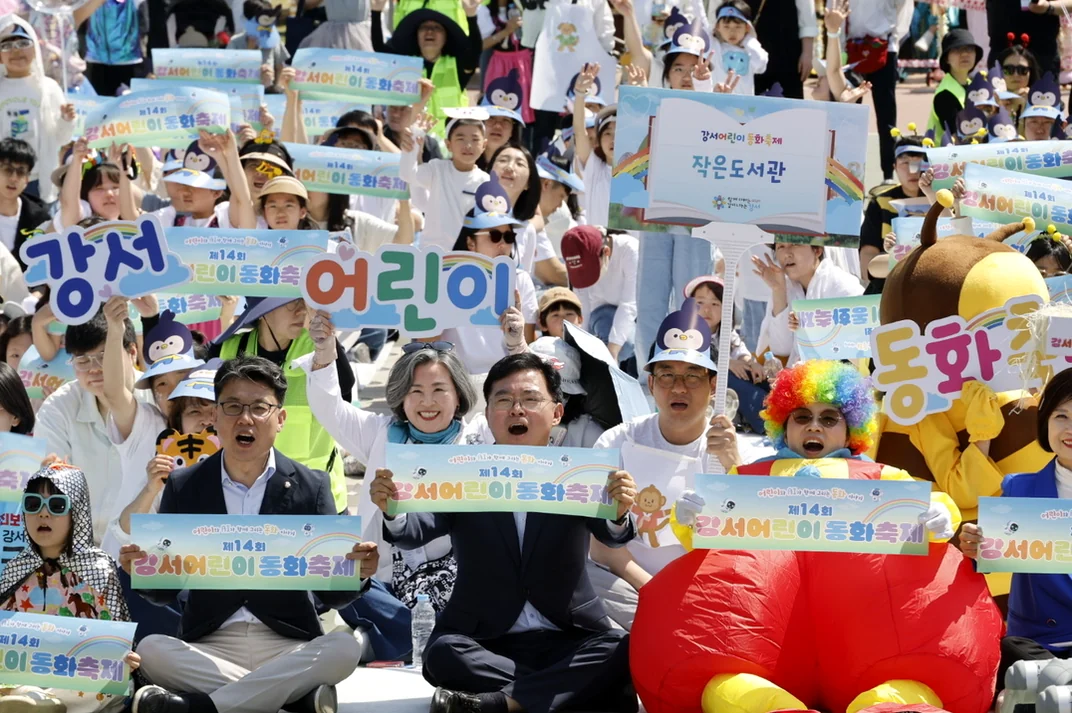
As the sun began to dip behind the apartment silhouettes surrounding the park, the 2026 Gangseo Fairy Tale Festival concluded not just as an event for children, but as a sophisticated cultural statement. It proved that even in an era of hyper-digitalization, the physical gathering of a community around a shared story remains an essential human need. Banghwa Neighborhood Park proved to be the perfect vessel for this magic, offering a sanctuary where the boundaries between the real and the imagined are blurred with grace and intention.
- Location: Banghwa Neighborhood Park (178 Geumnanghwa-ro, Gangseo-gu, Seoul)
- Access: A brief 5-minute walk from Banghwa Station (Line 5, Exit 2).
- Parking: Temporary parking was allocated at Samjung Elementary and Middle School; public transit is advised.
- Experience Fees: A majority of workshops and staged performances are offered free of charge.
- Essential Items: Dotjari picnic mats, portable fans, and high-SPF sunblock are recommended for the open plaza.
- Contact: Gangseo-gu Education Support Department (02-2600-6986).
📅 Local Weather Guide
Seoul Weather📍 Banghwa Neighborhood Park
178 Geumnanghwa-ro, Gangseo-gu, Seoul
🌐 Read this post in other languages:
• 🇯🇵 日本語版 (Japanese Version)
Join the conversation