Kinetic Heritage: The 2026 Andong General Chajeon & Princess Noguk Festival Experience
To truly understand the soul of Andong is to embrace the deliberate tension between profound stillness and explosive motion. While globally revered as the stoic capital of Confucian scholarship, the city reveals its visceral heartbeat through the 2026 Andong General Chajeon and Princess Noguk Festival. As Director K, I view this not as a mere folk exhibition, but as a sophisticated exercise in spatial choreography. It is a moment when the city’s historical nodes are transformed into a living gallery of communal energy, where the boundary between the elite and the populace dissolves through shared rhythmic exertion.
The Architecture of Gravity and Grit
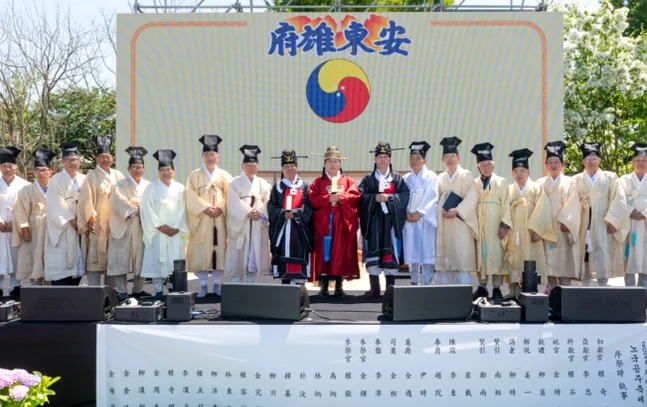
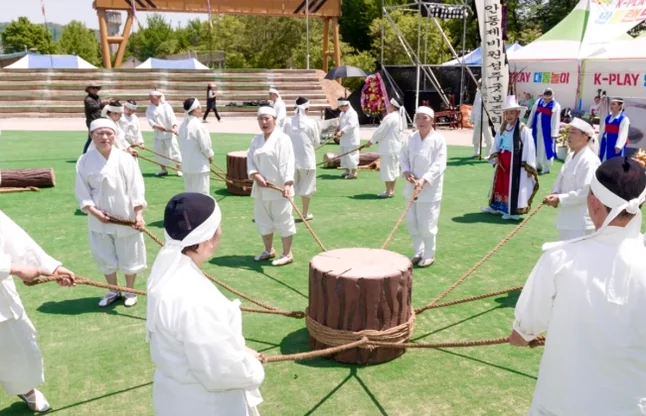
The festival’s conceptual core is a masterclass in duality. The masculine narrative is embodied by Chajeon-nori, a dramatic ritual commemorating Goryeo-era defensive victories. Imagine two massive wooden frames, steered by hundreds of men in ivory-toned Hanbok, locked in a strategic struggle for vertical dominance. This is architectural warfare elevated to the level of high art—a visceral display of gravity and grit. In this 2026 curation, the sheer scale of synchronized movement serves as a powerful reminder of a period where physical cooperation was the primary form of civil engineering.
A Poetic Counterpoint in Silk
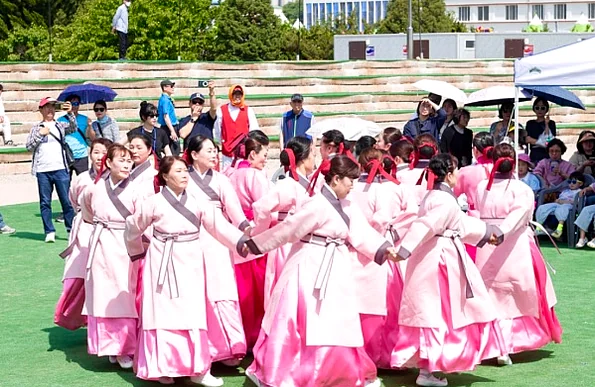
In elegant contrast, the feminine narrative centers on the Notdari-balkgi ritual. Legend speaks of local women forming a human bridge with their backs to allow Princess Noguk to cross a river without touching the water—a profound gesture of solidarity. Reimagined for the 2026 season, this ritual becomes a graceful, rhythmic procession of circle dances. The sight of synchronized movements in vibrant silk garments provides a poetic counterpoint to the raw power of the men’s battles, illustrating a historical balance of social roles through mutual respect and collective support.
Spatial Curation: The Urban Narrative
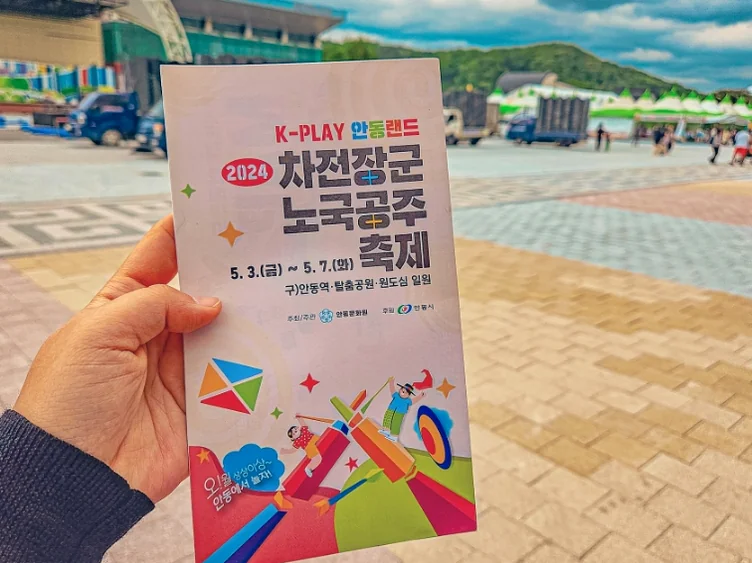
The 2026 curation, themed K-Play Andong Land, successfully decentralizes the festival across the urban fabric. By utilizing the 1942 Andong Station as a rugged entry point and connecting it to the Old Downtown and Talchum Park, the event creates a narrative circuit for the modern traveler. This spatial design encourages one to engage with the city’s daily life while stumbling upon grand parades and hidden art installations. The transition from the industrial aesthetics of the old station to the open-air theater of the park reflects Andong's evolution from a historical stronghold to a sophisticated center of cultural tourism.
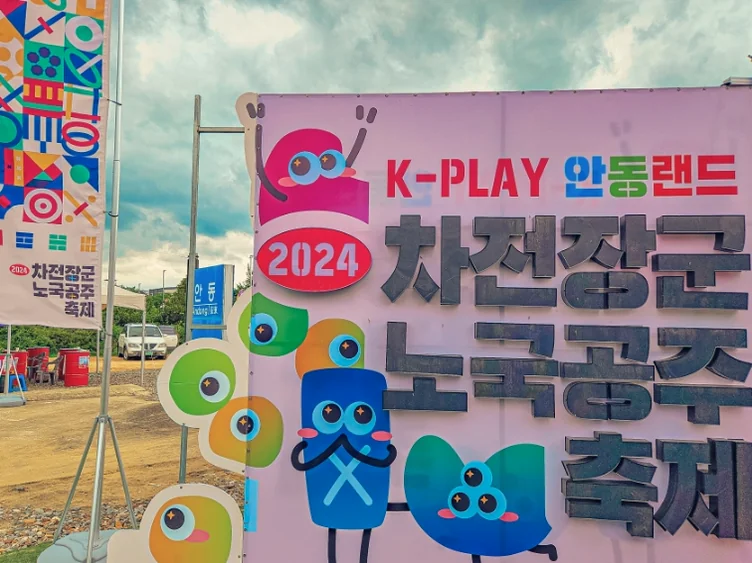
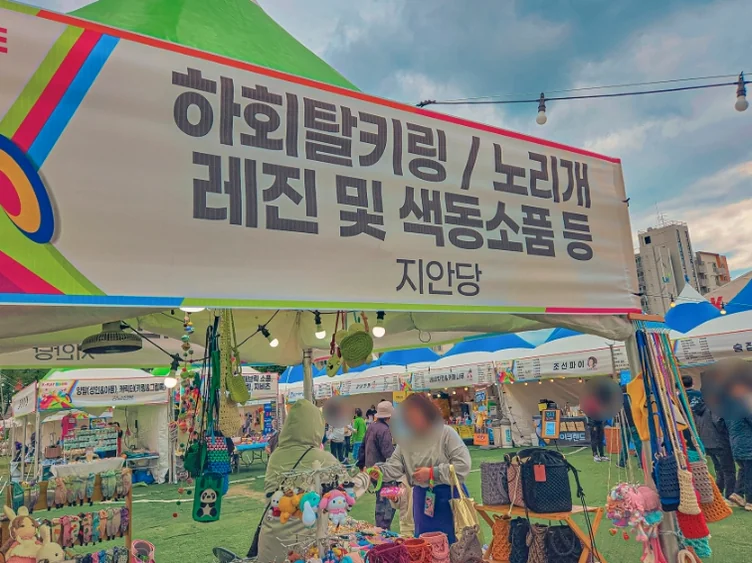
For the discerning visitor, the interactive K-Play zones offer a high-end entry point into traditional craftsmanship. These are not generic tourist traps; the artisan booths in the 2026 circuit prioritize authentic motifs, such as Hahoe mask keyrings and traditional archery. Each activity is designed with a high degree of tactility, allowing participants to feel the texture of mulberry paper or the tension of a traditional bow. This hands-on approach effectively demystifies the museum-piece perception of Korean heritage, positioning it as a functional component of contemporary leisure.

A Sensory Completion
As the sun sets over the Nakdong River, the festival shifts toward a modern spectacle. The 2026 lineup features high-end performances ranging from the classical grace of the Provincial Gugak Orchestra to contemporary concerts. The sensory experience is completed by local gastronomy; the scent of Andong Hanwoo grilling over charcoal mixes with the crisp notes of regional craft beers. The night culminates in a sophisticated pyrotechnic display that mirrors ancient fire rituals, bridging the gap between the charcoal-lit past and the electric present.
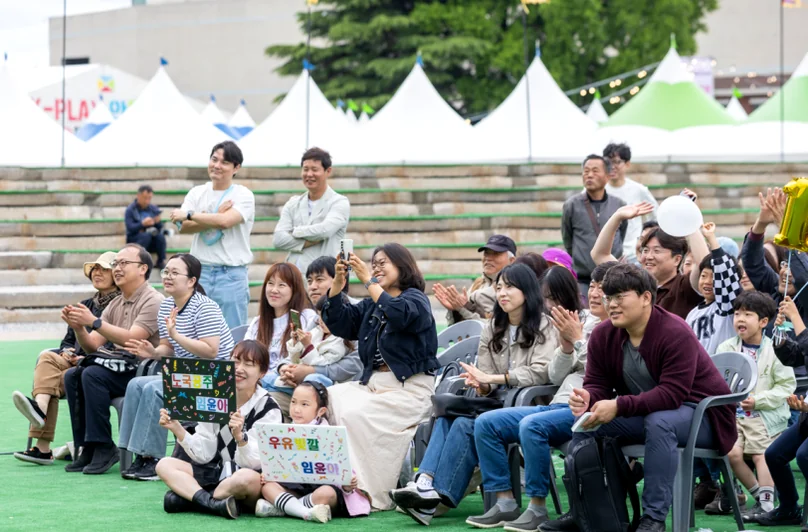
Ultimately, this festival stands as a testament to cultural resilience. It refuses to be a static repetition of history, opting instead to be an evolving dialogue between generations. For those seeking to witness the authentic spirit of Korea—where the weight of tradition is carried with pride—this May 2026 event is an unmissable destination on the peninsula’s cultural calendar.
- Schedule: Scheduled for May 1 – May 5, 2026 (10:00 AM – 9:00 PM).
- Primary Venues: Talchum Park, Central Line 1942 Andong Station, and Old Downtown.
- Admission: Entry is complimentary; specialized mission zones like Saekdong-nori may involve a nominal fee, often reimbursed via local currency vouchers.
- Logistics: The KTX-Eum to Andong Station provides seamless access. Ample parking is situated at the Nakdong Riverside lots.
- Key Programming: Opening Fireworks (May 1), Chajeon-nori Battles (May 3), and nightly curation of concerts and circus performances.
📅 Local Weather Guide
Andong Weather📍 Central Line 1942 Andong Station
684 Gyeongdong-ro, Andong-si, Gyeongsangbuk-do
🌐 Read this post in other languages:
• 🇯🇵 日本語版 (Japanese Version)
Join the conversation