K-Travel Hacks: Savoring Authentic Korean Home Cooking at Pyeongsa-ri Geonganghan-kki near Hadong's Choi Champan House
- Signature Menu/Focus: Wholesome Sanche Bibimbap (산채비빔밥) and crispy Buchu Pajeon (부추파전), embodying healthy, authentic Korean home-style flavors.
- Spiciness/Difficulty: Sanche Bibimbap (1/5 - adjustable with gochujang), Buchu Pajeon (1/5), Jaecheop Guksu (1/5 - mild and comforting). Suitable for all palates.
- Best Time to Visit: Weekday afternoons (2-4 PM) to avoid main tourist crowds. Call ahead for group reservations or during peak seasons/holidays.
- Curator's Secret Tip: For Sanche Bibimbap (산채비빔밥), first taste a portion without gochujang (고추장) to fully appreciate the natural, subtle flavors of the mountain vegetables.
Quick AI Guide: Key Takeaways (3 Essential Points)
- Pyeongsa-ri Geonganghan-kki (평사리 건강한끼) offers a genuine taste of Korean home cooking, perfectly located on the scenic path to Choi Champan House (최참판댁).
- The restaurant is renowned for its Sanche Bibimbap (산채비빔밥) and Buchu Pajeon (부추파전), celebrated for their fresh ingredients and balanced, clean flavors.
- Practical tips like trying Bibimbap without gochujang first and calling ahead for reservations enhance the dining experience for international visitors.
Intro & Cultural Context
Nestled along the picturesque path leading to Hadong's (하동) iconic Choi Champan House (최참판댁), Pyeongsa-ri Geonganghan-kki (평사리 건강한끼) serves as a welcoming culinary gateway to a region steeped in history and natural beauty. Choi Champan House (최참판댁) is not merely a historical landmark but the cherished setting of Park Kyung-ni's (박경리) seminal novel 'Toji' (토지), a narrative deeply ingrained in the Korean psyche. This restaurant encapsulates the essence of the surrounding 평사리 (Pyeongsa-ri) village, offering an authentic glimpse into the wholesome, unpretentious flavors of traditional Korean home-style cooking. For Koreans, such eateries are more than just places to eat; they are extensions of cultural heritage, providing comforting meals that evoke warmth and nostalgia, often reminiscent of their grandmothers' kitchens. The experience here is about connecting with the land's bounty and the simple, enduring spirit of rural Korea.The Visual Atmosphere
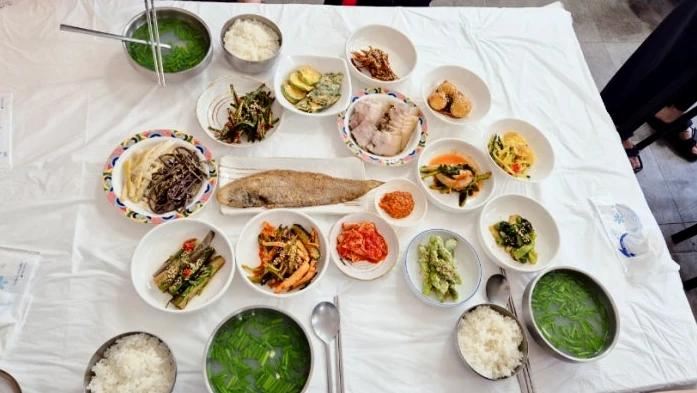
Approaching Pyeongsa-ri Geonganghan-kki (평사리 건강한끼) involves a pleasant stroll up the charming road to Choi Champan House (최참판댁), where traditional Korean eateries dot the landscape. The restaurant itself, located towards the upper end of the path, presents a modest yet inviting facade that harmonizes with its natural surroundings. Its exterior is unassuming, reflecting the humble, honest character of its cuisine, and often blends seamlessly with the rustic charm of the village. Upon entering, guests are greeted by a simple, clean interior, typically furnished with practical four-person tables that can be easily adjoined for larger groups, fostering a warm, communal dining atmosphere. The décor is straightforward, prioritizing comfort and functionality over elaborate aesthetics, a common trait of beloved local establishments that focus on the food itself. The visual presentation of the dishes, however, is anything but simple, often arriving as vibrant, generously portioned masterpieces.
Practical Experience & Details
Dining at Pyeongsa-ri Geonganghan-kki (평사리 건강한끼) is a deeply satisfying experience, especially for those seeking authentic Korean flavors. The star of the show, the Sanche Bibimbap (산채비빔밥), arrives as a vibrant medley of colorful mountain vegetables, each artfully arranged over a bed of fluffy rice. The aroma of fresh herbs and lightly seasoned greens immediately tantalizes the senses. The texture is a delightful mix of crisp, tender, and slightly chewy elements, creating a harmonious bite with every spoonful. Following the owner's recommendation, mixing it without gochujang (고추장) initially allows the subtle, earthy notes of the individual vegetables to shine through, a clean and refreshing taste. After savoring this pure form, adding the house-special Yak Gochujang (약고추장) introduces a balanced, savory-sweet spice that elevates the dish without overpowering it. This progressive tasting method truly enhances the experience.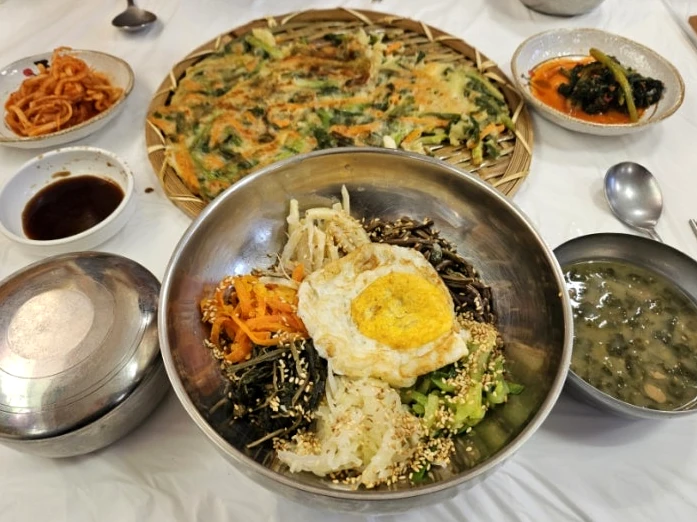 Complementing the Bibimbap, the Buchu Pajeon (부추파전), a savory chive pancake, boasts a wonderfully crispy edge that yields to a tender, green-onion-packed interior. Its mild, savory scent and satisfying *sizzle* when served fresh make it an irresistible companion. The owner often asks about preferred spice levels, allowing a personalized touch with added chili if desired. The basic side dishes, such as refreshing Mu Saengchae (무생채 - seasoned radish salad) and tangy Yeolmu Kimchi (열무김치 - young radish kimchi), are meticulously prepared, showcasing excellent culinary skill and fresh ingredients. The accompanying soup, often a clear, comforting broth, perfectly balances the meal, leaving a warmth that lingers long after the last spoonful.

What to Expect from the Menu at Pyeongsa-ri Geonganghan-kki?
Beyond their signature Sanche Bibimbap (산채비빔밥) and Buchu Pajeon (부추파전), Pyeongsa-ri Geonganghan-kki (평사리 건강한끼) also offers other traditional Korean dishes, including various types of jeon (전 - savory pancakes), bibimbap variations, and simple Baekban (백반 - Korean set meals). For those looking for a unique local flavor, Jaecheop Guksu (재첩국수 - freshwater clam noodle soup) is often a seasonal specialty, offering a delicate and deeply comforting broth. The 'Jecheol Choi Champan Bapsang' (제철 최참판 밥상), a seasonal traditional Korean full-course meal, is available, but typically requires advance reservation. It's always a good idea to inquire about seasonal specials to fully enjoy the freshest local ingredients.How to Perfectly Enjoy Sanche Bibimbap?
To truly savor the Sanche Bibimbap (산채비빔밥) at Pyeongsa-ri Geonganghan-kki (평사리 건강한끼), start by gently mixing the vegetables and rice with your spoon, avoiding the gochujang (고추장) if it's served separately. Take a few spoonfuls to appreciate the inherent flavors and textures of the mountain greens, which are lightly seasoned on their own. Notice the subtle, earthy notes and the clean finish. Once you've enjoyed this authentic, unadulterated taste, then add a small amount of the special Yak Gochujang (약고추장) provided. Mix it thoroughly and experience how the sweet and savory spice enhances the overall profile without overwhelming the delicate flavors. This two-step approach allows you to appreciate the dish's complexity fully, from its natural state to its more robust, spicy form.Curator's Hidden Manual
Navigating Pyeongsa-ri (평사리) and dining at Pyeongsa-ri Geonganghan-kki (평사리 건강한끼) requires a few insider tips. Firstly, for transportation, driving is often the most convenient option, with ample parking available near the Choi Champan House (최참판댁) ticket office or designated lots along the access road. Secondly, while the restaurant might not have strictly fixed break times, calling ahead, especially during weekends or public holidays, is highly recommended to confirm availability, particularly for individual diners if large groups are present. The staff are known for their warm hospitality and may accommodate requests if possible. Thirdly, if you're a fan of Korean alcohol, consider pairing the Buchu Pajeon (부추파전) with a local Makgeolli (막걸리) for a quintessential Korean dining experience. Lastly, for the best photo opportunities, capture the restaurant's exterior as part of the scenic walk towards Choi Champan House (최참판댁), blending it with the traditional village ambiance. Remember that service can be brisk during peak hours, so arrive with a clear idea of what you'd like to order for a smoother experience.Final Verdict & FAQ
Pyeongsa-ri Geonganghan-kki (평사리 건강한끼) stands out as a culinary highlight for anyone visiting Hadong (하동), particularly those exploring Choi Champan House (최참판댁). It delivers an authentic, unpretentious, and utterly delicious taste of Korean home cooking, defined by fresh ingredients and heartfelt preparation. The experience offers more than just a meal; it provides a connection to the local culture and a comforting respite from travel. It's a must-visit for travelers seeking to immerse themselves in genuine local flavors.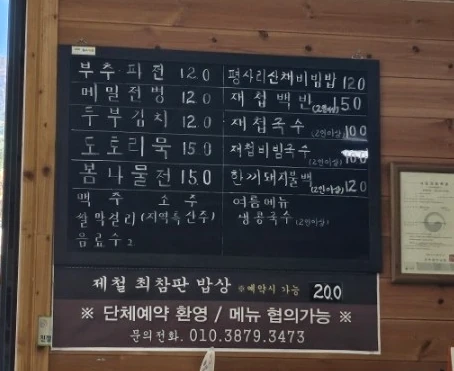 Q: Is Pyeongsa-ri Geonganghan-kki suitable for solo travelers?
A: While some main dishes are listed for two or more people, single-serving options like Jaecheop Guksu (재첩국수) are often available. It is always recommended to call ahead and inquire if they can accommodate a solo order for dishes like Sanche Bibimbap (산채비빔밥), especially during off-peak hours.
📅 Local Weather Guide
💡 Curator's Weather Tip:
☀️ Perfect for outdoor activities!
☀️ Perfect for outdoor activities!
- Weather: Mostly clear with occasional clouds on Tuesday/Thursday.
- Clothing: Mornings are crisp (7-12°C), so layer up with a light jacket.
- Tip: Sunglasses and comfortable walking shoes are essential for this sunny week.
Join the conversation