Gyeongju Golgulsa Temple Guide: Sunmudo Martial Arts and Cliffside Zen
- ⛰️ **Difficulty**: Level 3 (Expect steep rocky slopes and narrow stairs).
- ⏰ **Best Time to Visit**: Arrive by 2:30 PM to secure a spot for the 3:00 PM Sunmudo performance.
- 💡 **Curator's Secret Tip**: Look for the statue of 'Dong-a Bosal,' a legendary Jindo dog who spent its life practicing Zen with the monks.
A few things to know before you head out 📍
Golgulsa Temple isn't just another spot to see a Buddha statue; it is the actual headquarters for Sunmudo, which is a type of moving meditation that looks a bit like a martial art. It's tucked into the side of Hamwolsan Mountain and stands out because of its unique "Tafoni" rock formations. These are natural little caves carved right into the volcanic stone, and monks have been using them for quiet meditation for over a thousand years. If you're looking for a trip that feels a bit more active and deep-rooted than a simple park stroll, this place offers a really solid connection to the old Silla Dynasty heritage.
Stepping into a space where martial arts and history meet 🧘
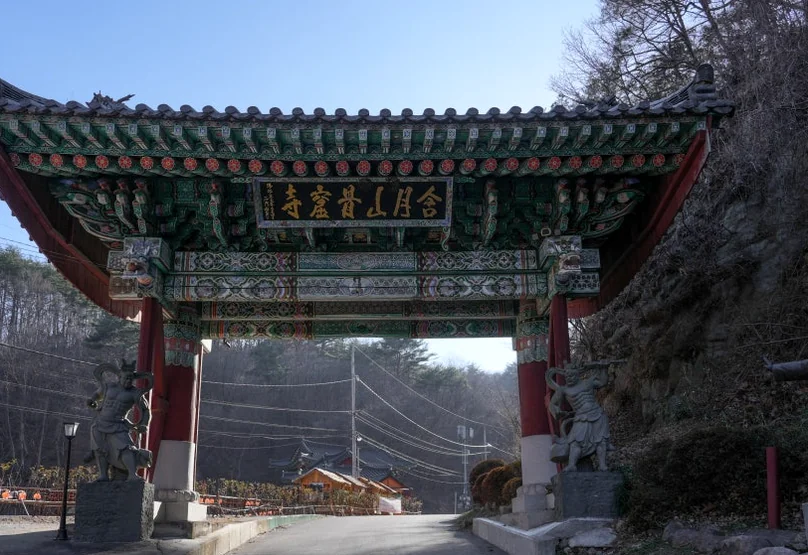
As you walk through the main Iljumun gate and head into the temple grounds, the first thing you'll notice is how the air feels cooler and quieter under the trees. The path is lined with stone statues that feel like they're watching over the place, and it has that specific kind of peace—what locals call *go-jeok-ha-da*—that makes you forget how busy the Gyeongju city center usually gets. Established back in the 6th century by a monk named Kwangyu who came from India, the temple was built to feel like the cave temples back in his homeland, which is why it holds the title of the oldest grotto temple in the country.
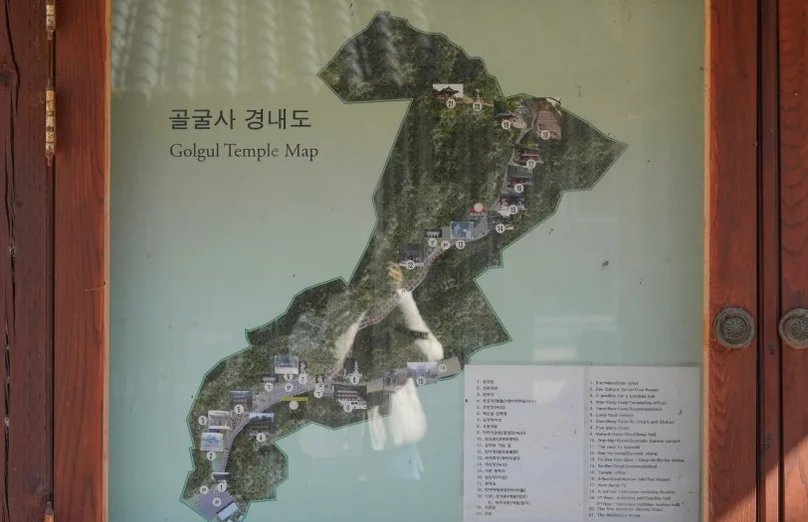
There’s a wooden map right at the entrance that shows the Y-shaped layout of the grounds, leading you toward different halls and training areas. You'll probably notice pretty quickly that the path starts to get quite steep, which gives you a small taste of the physical discipline the monks here live by every day. While people often call this place the "Shaolin of Korea" because of the Sunmudo training, it doesn't feel aggressive at all; instead, it's more about finding a sense of Zen through slow, intentional movement.
The climb up the rocky stairs to the cliffside Buddha 🏮
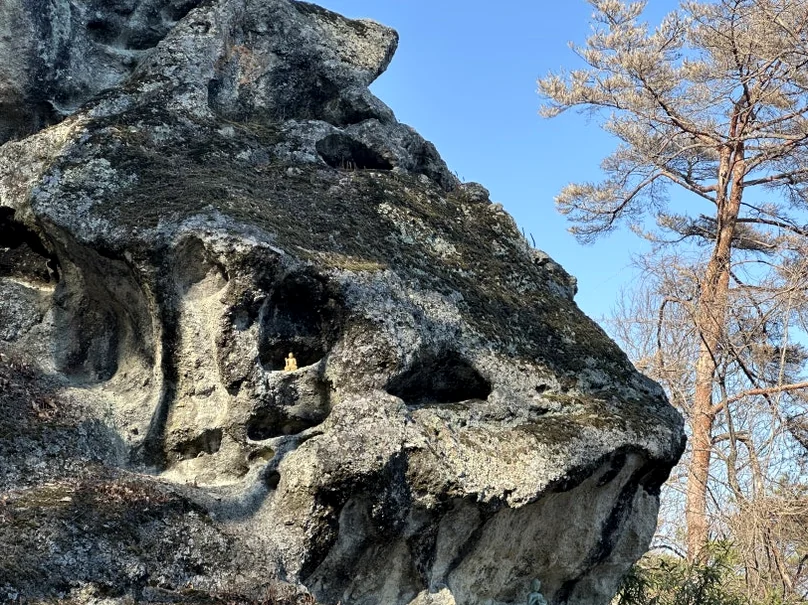
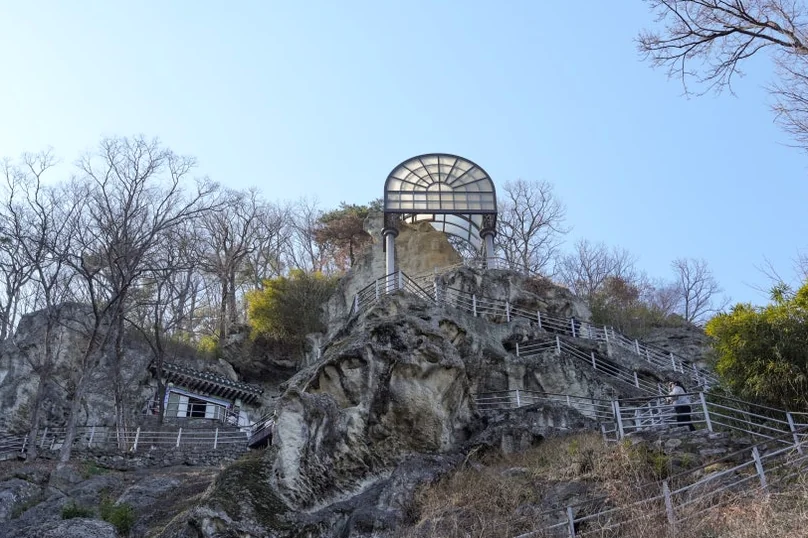
The real reason most people make the trip is to see the Maeyaerae Jwasang, which is a massive Buddha carved directly into the face of the limestone cliff. To get there, you have to navigate some narrow, slightly worn-down stairs, passing by twelve natural grottoes that house smaller statues along the way. These little caves were formed by wind and rain over hundreds of years, and when you touch the rock, it feels surprisingly soft and porous. It's a geological feature that you really don't see very often in this part of Korea, making the whole cliffside feel like a living piece of history.
What makes the Maeyaerae Jwasang special?
Standing at the top in front of the main Buddha is a pretty powerful experience, especially with the wooden roof built over it to keep the rain away. This carving dates back to the 9th century and is famous for its warm, gentle smile and the detailed patterns that look like flickering flames around its head. Once you're up there, the view stretches all the way out across the valley toward the East Sea, and it's a great spot to just stop and catch your breath. Just a heads-up for anyone who isn't great with heights or steep climbs: the last bit of the path is almost vertical, so you’ll definitely want to wear shoes with a good grip.
Watching Sunmudo in action and sharing a temple meal 🍲
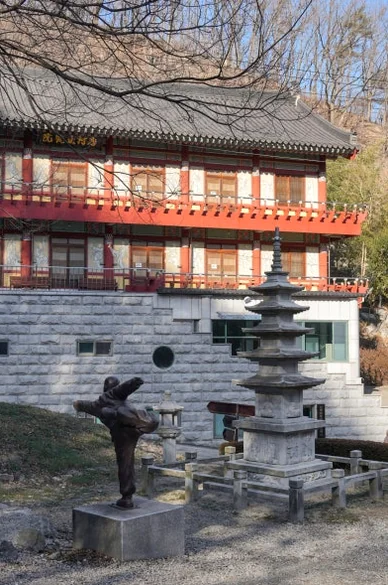
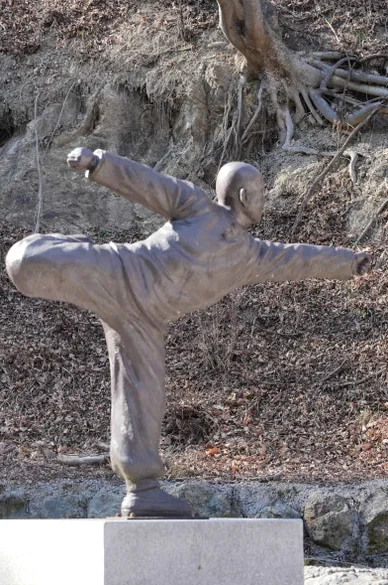
Seeing a Sunmudo performance in person really shows how the temple's traditions are still very much alive today. It's fascinating to watch the practitioners move with so much control and strength, especially with the old stone pagodas and traditional buildings in the background. There are bronze statues scattered around the property that frozen-frame these movements, reminding you that for the people here, every breath and every stretch is basically a form of prayer.
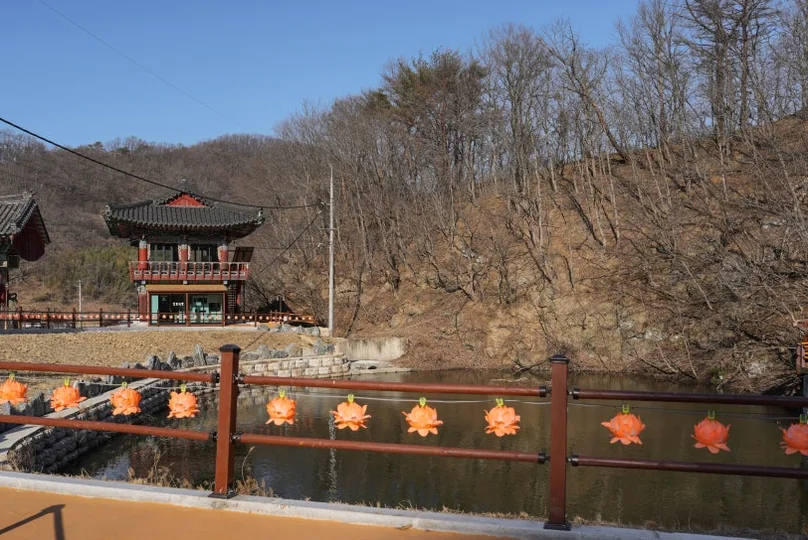
If you decide to stay overnight for a Templestay, your day starts early—usually around 5:00 AM—with the morning chants. The food, known as *Baru Gongyang*, is surprisingly good even though it’s simple. Whether it's just toast and jam for a quick breakfast or a warm bowl of Kimchi-jjigae for lunch, everything tastes great after a morning spent doing yoga and meditation. The temple kitchen is actually pretty well-known for its tofu and whatever vegetables are in season, proving that you don't need anything fancy to have a really satisfying meal.
When is the best time to visit?
The temple is worth a look any time of year, but spring and autumn are probably the best if you want to sit outside and watch the Sunmudo shows comfortably. Performances usually happen at 3:00 PM every day except Mondays and Tuesdays. I’d suggest getting there a bit early so you have time to find the statue of 'Dong-a Bosal'—it’s a tribute to a loyal Jindo dog who famously sat through every single prayer session with the monks for twenty years.
Wrapping up & Common Questions 🏮
Golgulsa is a rare find because it gives you a look into the serious, disciplined life of Korean monks while still being very open to visitors who want to learn a bit of Sunmudo. It’s a place where history is literally etched into the mountain, and the quiet of the caves balances out the energy of the martial arts training. Whether you're just dropping by for a few hours or staying for a week, the vibe of this "Sea of Buddha" tends to stick with you.
Q: Do I have to pay to get in?
A: There’s no official entrance fee and parking is free, but most people leave a small donation to help keep the temple running.
Q: Can foreigners join the Templestay?
A: Definitely. Golgulsa is actually one of the most welcoming temples for international guests, and they have plenty of staff who speak English to help you out.
Q: What’s the easiest way to get there from Gyeongju?
A: You can just hop on bus 100 or 150 from the Gyeongju Intercity Bus Terminal. Just make sure to get off at the stop for Golgulsa and Girimsa.
📅 Local Weather Guide
Gyeongsang Weather🌐 Read this post in other languages:
• 🇯🇵 日本語版 (Japanese Version)
Join the conversation