Exploring Hwago: The Art of Barley Straw-Smoked Jeju Black Pork in Seogwipo
- 🍴 What to order: Black pork smoked over barley straw and the thick, hearty kimchi stew
- 🌶️ Heat level: 2/5 (The stew has a nice, deep warmth rather than a sharp spice)
- ⏰ Timing your visit: It is a good idea to get there before 5:30 PM on weekdays if you want to skip the evening rush
- 📍 A quick tip from the editor: Try the kelp rice with a bit of their house-made scorched rice salt for a combination that really works.
A few things to know before you go 📍
Jeju has no shortage of places to grab a meal, but Hwago has carved out its own space by sticking to a traditional smoking method that uses barley straw. This approach gives the premium black pork a soft, earthy scent that you just do not get from standard charcoal grills. Tucked away in the Sinsigaji area of Seogwipo, it has become a reliable spot for locals and travelers who want someone else to handle the grilling while they enjoy a solid meal.
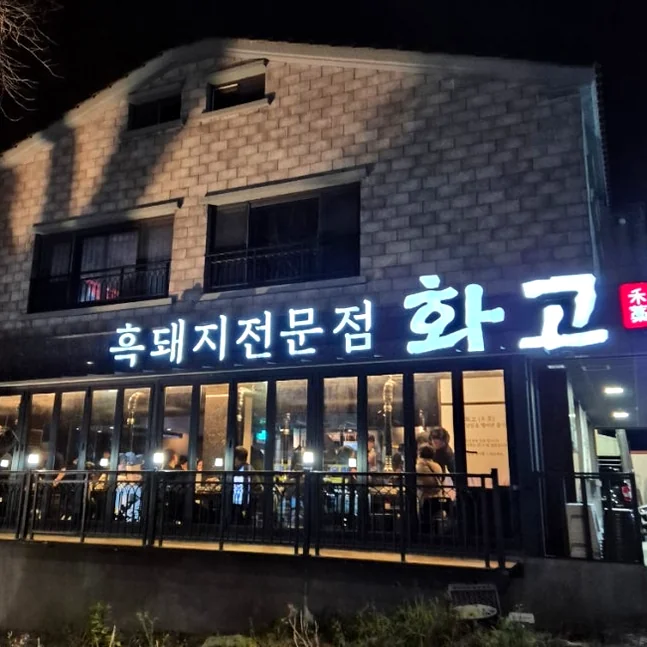
The distinct aroma of barley straw smoking 🌾
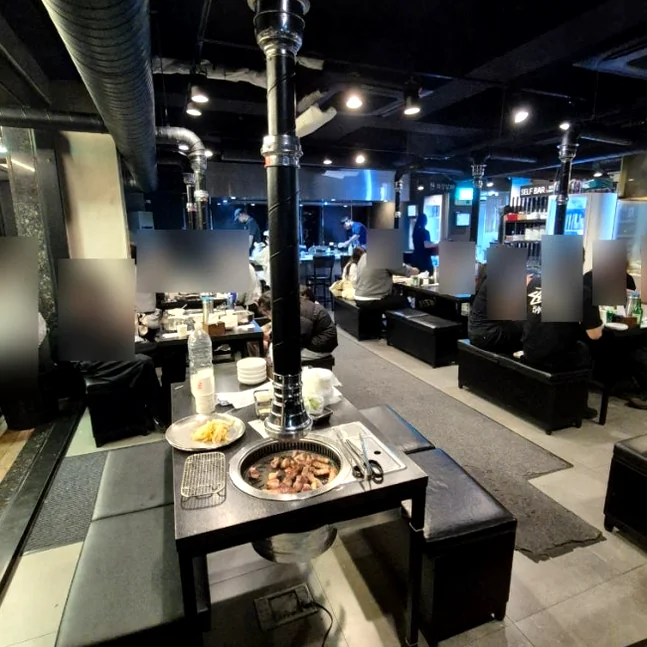
When you walk into Hwago, the first thing you notice is the dark, moody interior that feels more like a modern bistro than a typical loud BBQ joint. The name Hwago refers to the leftover stalks of barley once the grain is gone, and here, they use them to give the meat its initial flavor. This smoking stage is not just for show; it helps sear the outside of the thick pork cuts and keeps all the moisture inside before it even reaches the table.
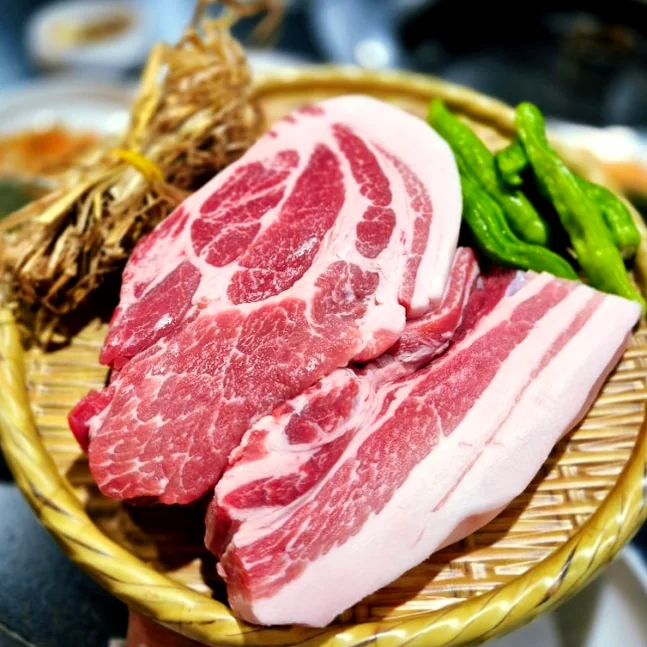
The whole process starts with a look at the raw Jeju black pork, which shows off a deep color and a good balance of fat. The meat is then taken to a separate smoking station where it meets the barley straw flames. It takes some skill to get the timing right so the smoke adds to the flavor without masking the natural sweetness of the pork. This two-step method is really what makes the experience here feel different from your average grill house.
Letting the pros handle the grill 🧂
One of the best parts about eating here is that you do not have to worry about overcooking the meat yourself. The staff takes over the entire grilling process, carefully managing the heat so every piece of pork belly and neck meat comes out tender and juicy. It is a relief to just watch them work the exhaust pipes and get a perfect crust on the meat without having to lift a finger.
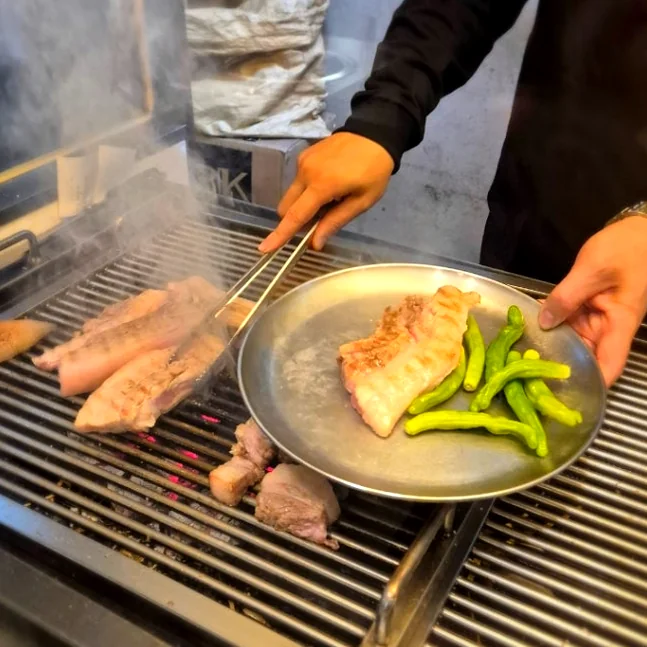
What is the story behind the seasoning?
Instead of just using basic sea salt, they serve something called nurungji-sogeum, or scorched rice salt. It is a house-made blend that is a lot less salty than what you might expect, offering a toasted, nutty quality that brings out the savory side of the pork. Putting a tiny bit of this salt on your first bite along with a dab of fresh wasabi is probably the best way to see if the meat is actually as good as people say.
Side dishes that actually hold their own 🥢
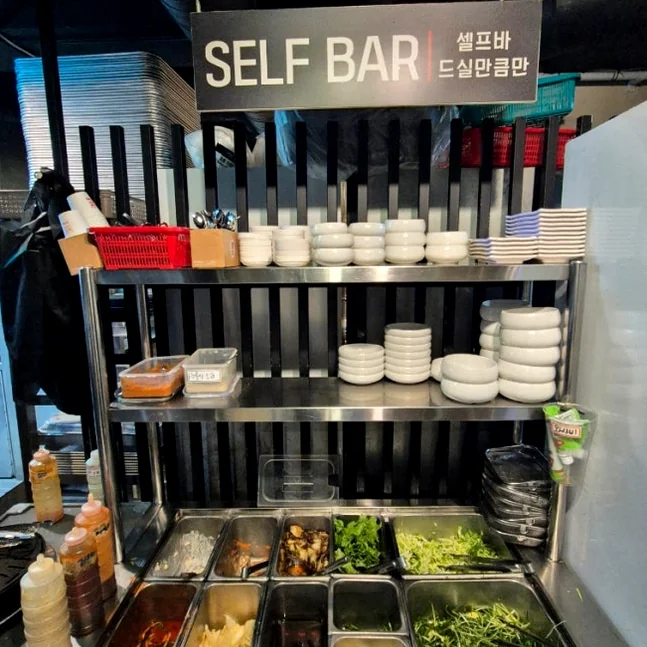
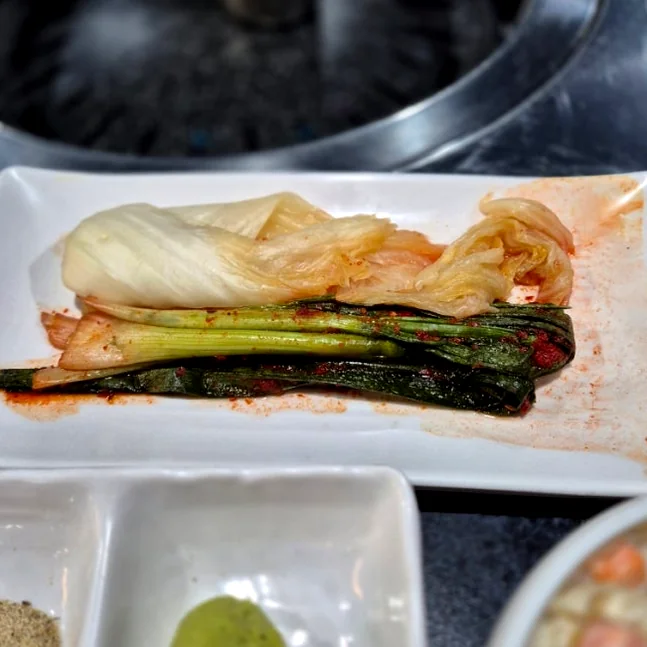
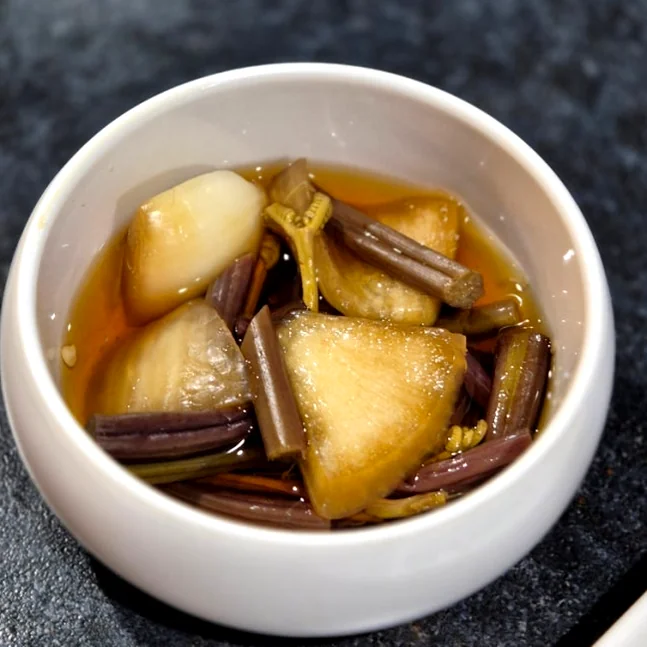
The meal is rounded out by a spread of side dishes that feel fresh and local. You get everything from the sharp crunch of green onion kimchi to pickled vegetables that provide a nice hit of acidity when the pork starts to feel a bit heavy. There is a self-service bar where you can grab more of whatever you like, and everything is kept clean and organized in stainless steel containers.
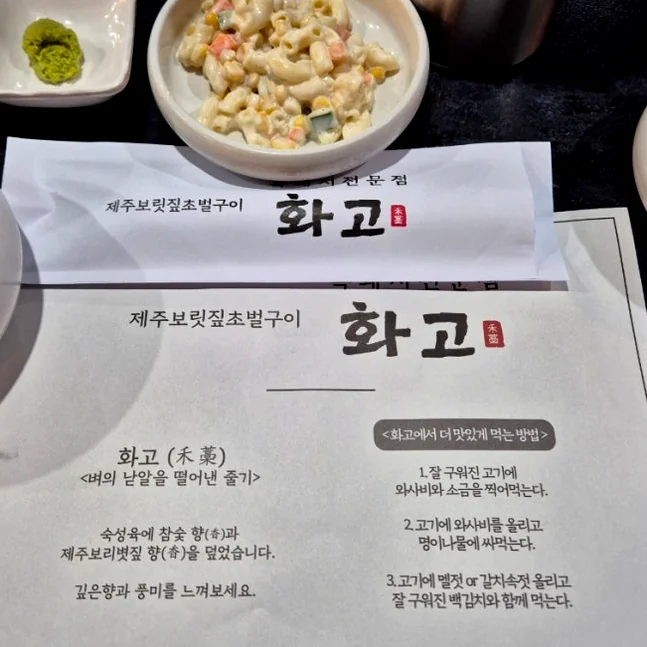
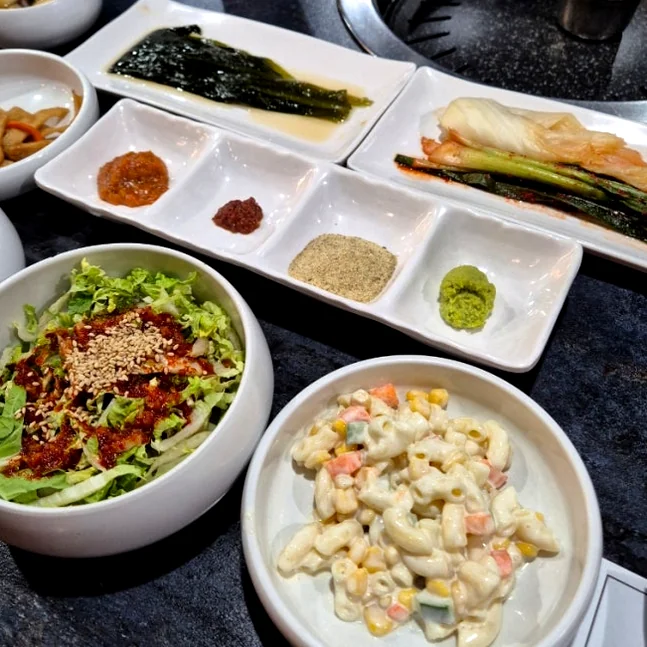
Even the table setting feels well-thought-out, with paper mats that explain a bit about the restaurant's approach. You will find things like macaroni salad alongside a variety of dipping sauces, including the classic salted anchovy sauce known as myeol-chi-jeot. They place the sauce directly on the grill to simmer, which lets it thicken up and develop a much deeper, more intense flavor as you eat.
Finishing the meal with kelp rice and stew 🍚
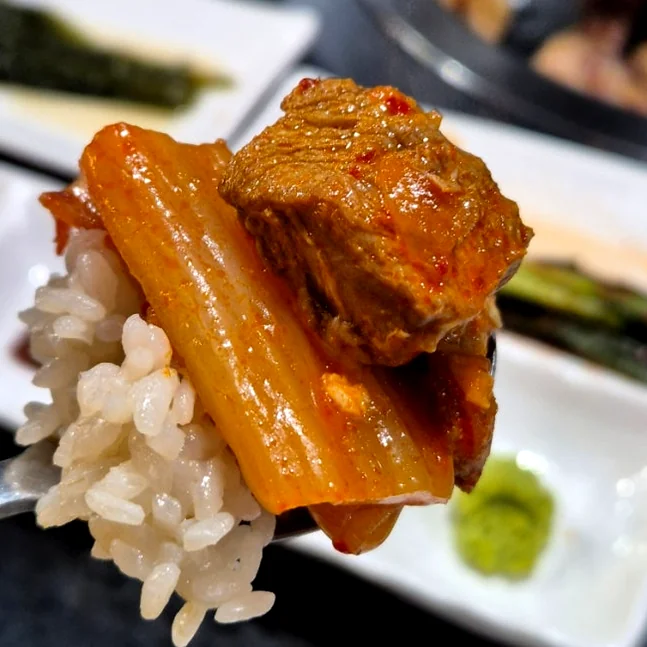
To end the meal the right way, you really have to try the secondary items on the menu. They serve a kelp-infused rice called dasima-bap, which has a subtle green tint and a slightly sticky, savory texture. It is the perfect partner for their kimchi stew, which is packed so full of pork that it feels more like a thick, rich ragu than a thin soup.
How to get the most out of your last few bites?
The local way to do it is to take a big spoonful of that kelp rice, top it with a piece of charred pork, and add a small slice of well-aged kimchi. The mix of the savory rice, the smoky meat, and the sharp tang of the kimchi creates a balanced finish that stays with you. It is a heavy way to end things, but it feels right after a long day of exploring Jeju.
Final thoughts and common questions 💭
Hwago in Seogwipo offers a refined take on a Jeju staple without making it feel too complicated. By combining the old-school barley smoking technique with great service and a few smart side dishes, they have built a place that works for just about anyone. Whether you are grabbing a quick meal at the bar by yourself or sitting down for a long dinner with family, the quality of the food makes it a solid stop in the area.
Can I bring my pet?
Surprisingly, Hwago is pet-friendly, which is not always the case for high-end BBQ spots. It is still a good idea to call ahead though, just to make sure they can put you in a spot that works for everyone.
What should I expect to spend?
A set for two or three people usually runs around 60,000 KRW. Considering the quality of the black pork and the fact that they do all the grilling for you, it feels like a fair price for what you get.
📅 Local Weather Guide
Jeju Weather🌐 Read this post in other languages:
• 🇯🇵 日本語版 (Japanese Version)
Join the conversation