Essential Guide: Obtaining a Foreigner's Real Estate Registration Number in Korea
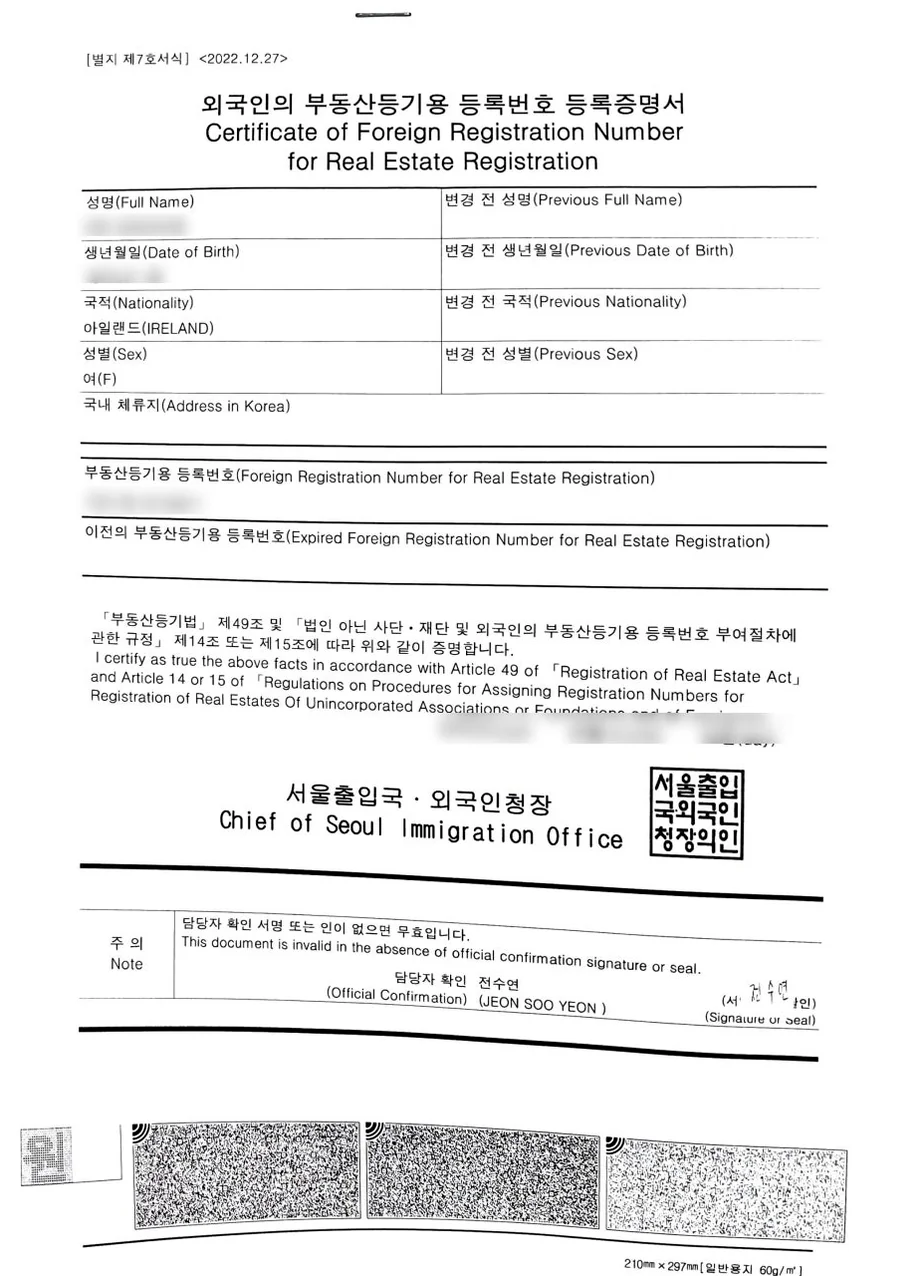
As the Chief Editorial Director of 『K-Life Hack』, I understand that navigating the intricacies of Korean life, especially when it involves significant investments like real estate, demands precise guidance. For sophisticated expats and global enthusiasts contemplating property ownership or disposition in Korea, securing a Foreigner's Real Estate Registration Number (외국인 부동산등기용 등록번호) is not merely a bureaucratic step; it is the fundamental key to establishing your legal presence in the nation's vibrant property market. This indispensable credential, a mandatory identification for non-resident foreign entities engaging with Korea's property landscape, often sees its administrative facilitation completed with remarkable efficiency, frequently within a mere three hours for straightforward submissions. Initial applications are meticulously channeled through specific designated precincts in Seoul, namely the Seoul Immigration Office in Mok-dong or its Sejongno Branch, ensuring a consistent and rigorous verification process. An astute observation for any applicant, and indeed a critical precept, is the unwavering requirement for signature consistency across all submitted documents and the preparation of any overseas documentation with the requisite Apostille or consular authentication well in advance.
The Indispensable Credential for Korea's Property Landscape 🏡
For individuals not yet endowed with a Resident Registration Number (주민등록번호) or an Alien Registration Card (외국인등록증) in Korea, the pursuit of property ownership might initially present a labyrinthine challenge. Yet, the Korean government has meticulously structured a clear mechanism to ensure both transparency and the safeguarding of prerogatives for international property holders: the Foreigner's Real Estate Registration Number. This unique 13-digit identifier transcends mere administrative formality; it serves as your incontrovertible official identification for all real estate transactions, from the acquisition of a metropolitan apartment to the succession of land, effectively acting as your legal proxy within the nation's dynamic property system. This system underscores Korea's commitment to facilitating global engagement while maintaining robust legal frameworks. Without this crucial number, the legal transfer of property ownership becomes an untenable proposition, rendering it an indispensable asset for any discerning individual poised to forge a tangible legacy within the Korean real estate market.

Defining the Foreigner's Real Estate Registration Number ✨
The Foreigner's Real Estate Registration Number is a singular accreditation bestowed by Korean immigration authorities, specifically curated for individuals who do not possess a Resident Registration Number or an Alien Registration Number but whose intent is to engage in real estate transactions within Korea. It stands as a specific statutory mandate under the Real Estate Registration Act (부동산등기법), designed to ensure that all parties participating in a property transaction are clearly and unequivocally delineated in the public registry.
Who This Imperative Behooves
The imperative for this registration number extends to a specific subset of foreign nationals and overseas Koreans. One will find the acquisition of this number requisite if falling into any of the following categories:
- Foreign nationals who do not possess an Alien Registration Card (외국인등록증) or a Domestic Residence Report Card (국내거소신고증).
- Non-resident foreign entities who do not maintain a registered domicile within Korea.
- Transitory visitors whose sojourn extends to 90 days or fewer.
- Overseas Koreans (재외국민) who have embraced foreign citizenship and are not furnished with a Resident Registration Number or a Domestic Residence Report Number.
- Any foreign individual forging a tangible legacy through acquisition, succession, beneficence, or tender in real estate.


Conversely, for those already possessing a valid Alien Registration Card or a Domestic Residence Report Card, the numerical identifier inscribed upon these documents already fulfills this precise purpose, negating the necessity for a distinct application.
Charting the Course: Acquiring Your Registration Number 🗺️
The process of obtaining your Foreigner's Real Estate Registration Number is meticulously orchestrated, though initial application points are stringently designated. A profound understanding of these precincts and the requisite documentation is paramount for a seamless experience.
The Application Progression
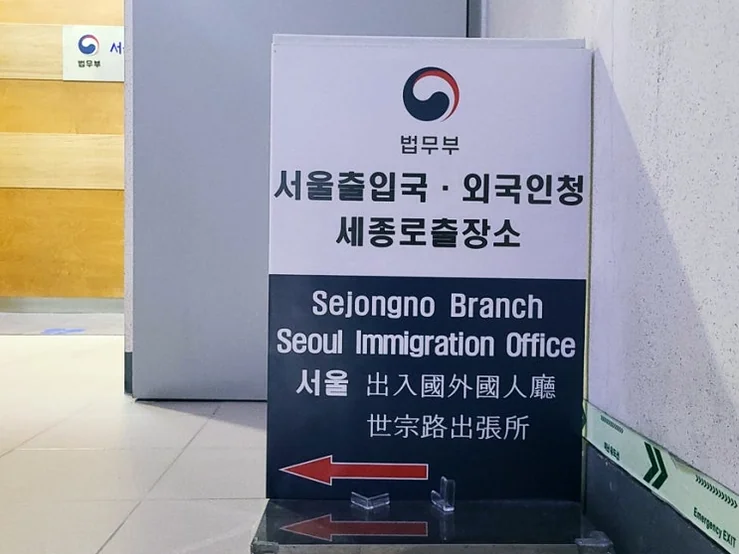
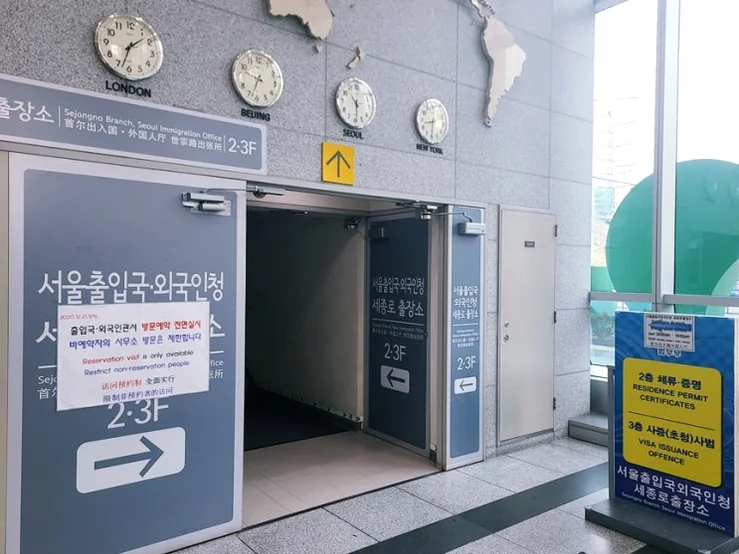
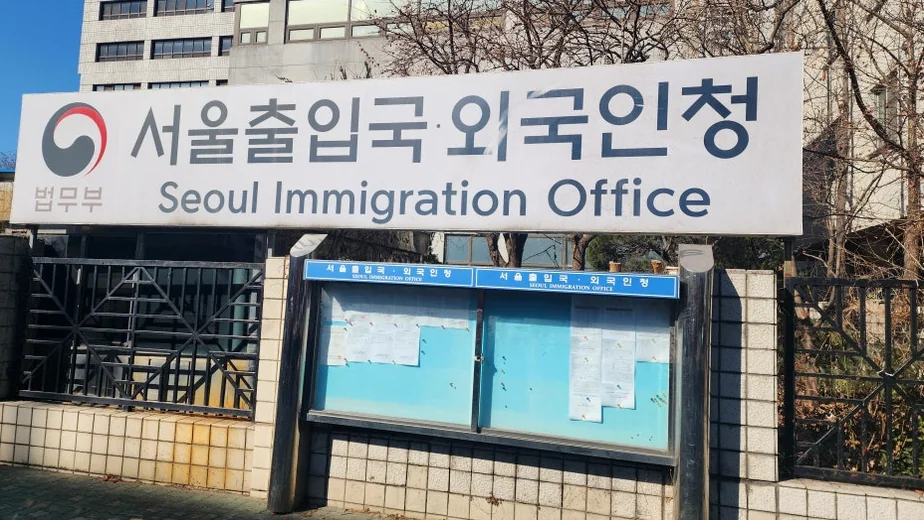
The inaugural petition for a Foreigner's Real Estate Registration Number is exclusively adjudicated at the Seoul Immigration Office in Mok-dong (서울출입국외국인청) or the Seoul Immigration Office Sejongno Branch (서울출입국 세종로출장소). This centralization for initial issuance guarantees consistent verification against national databases, particularly for those without a prior legal presence within Korea. Once bestowed, however, subsequent reissuance can be processed at any immigration office nationwide, with the exception of airport offices. Upon presenting oneself at one of the designated offices, the typical progression involves:
- Commencing the civil petition process by securing a numbered docket.
- Diligently completing the 'Application for Granting Foreigner's Real Estate Registration Number' form.
- Presenting the meticulously prepared documents to the counter staff.
- Subjecting oneself to identity verification.
- Being duly conferred with the registration certificate, often within the same business day.
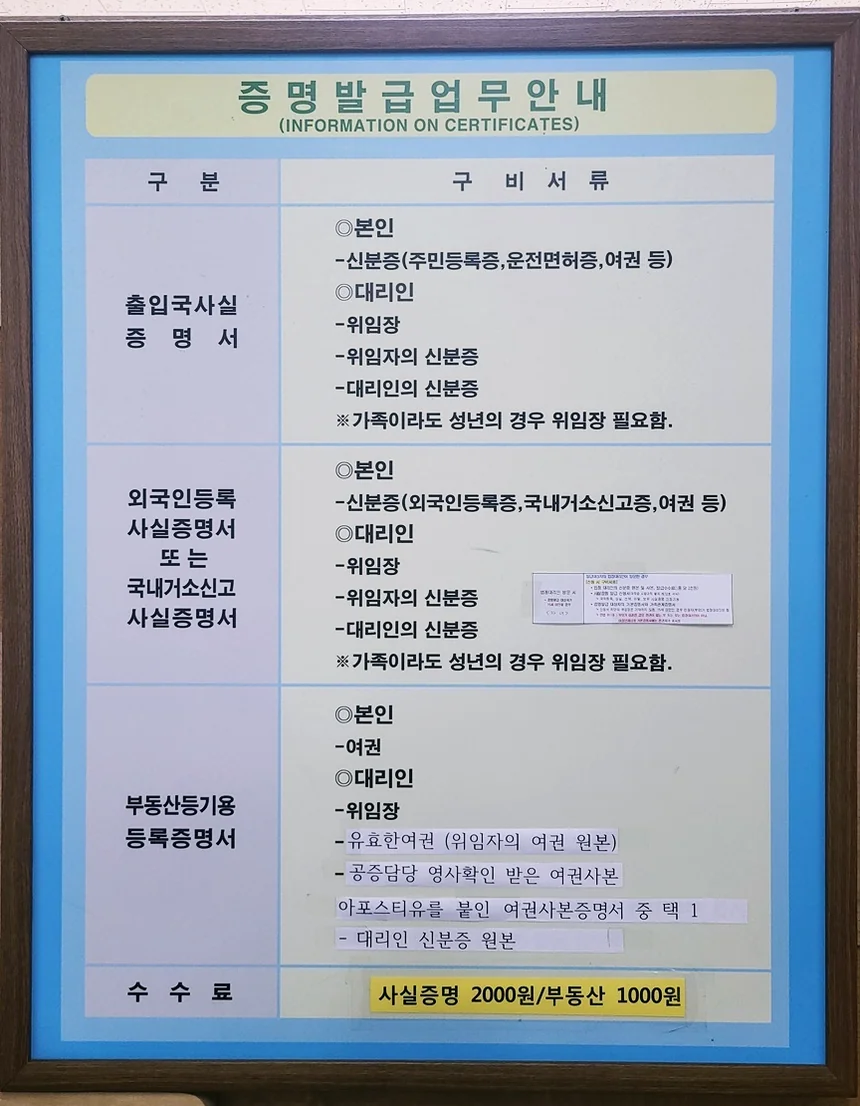
Mandatory Documentation for Your Petition
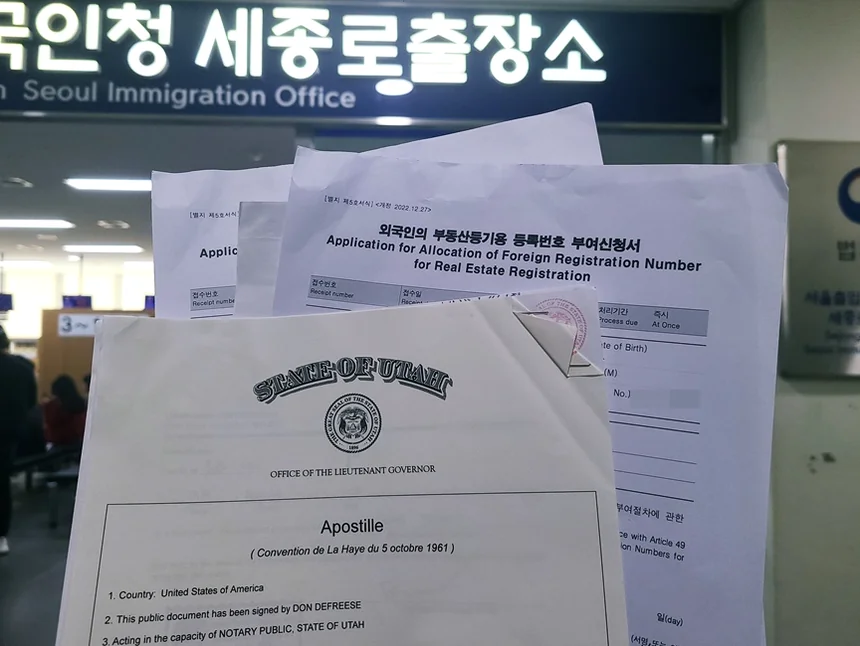
Whether the petition is submitted in person or through an authorized proxy, rigorous pre-computation of documents is pivotal. For proxy applications, a common recourse for overseas residents, the requirements mandate a heightened degree of vigilance.
| Category | Required Documents | Key Considerations |
|---|---|---|
| Common |
|
The imperative lies in utilizing the most current iteration of the official application mandate. |
| Proxy Application (Additional) |
|
|
| Minor Applicant | Family Relationship Proof documents (e.g., birth certificate) | These documents may also necessitate Apostille or authentication if issued from an overseas jurisdiction. |
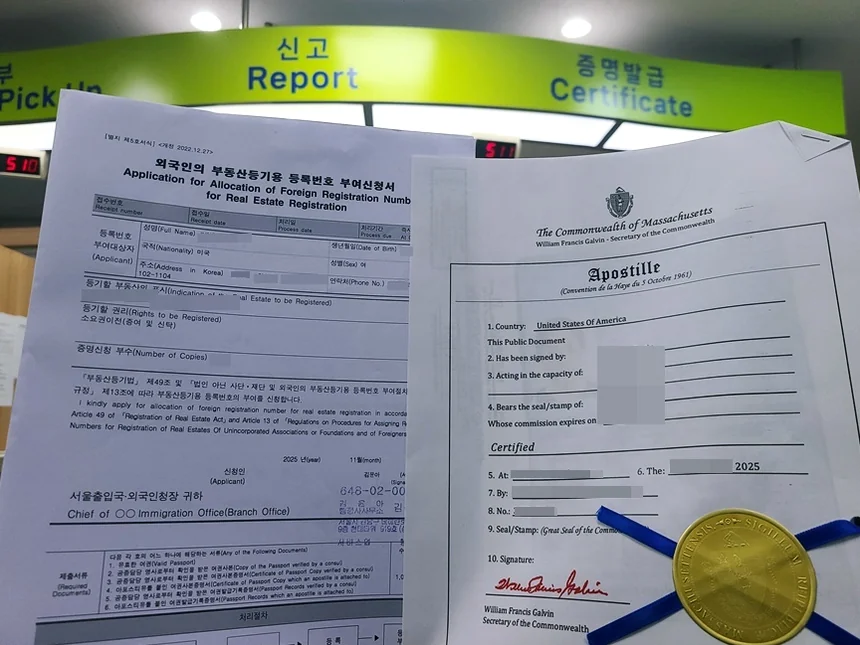
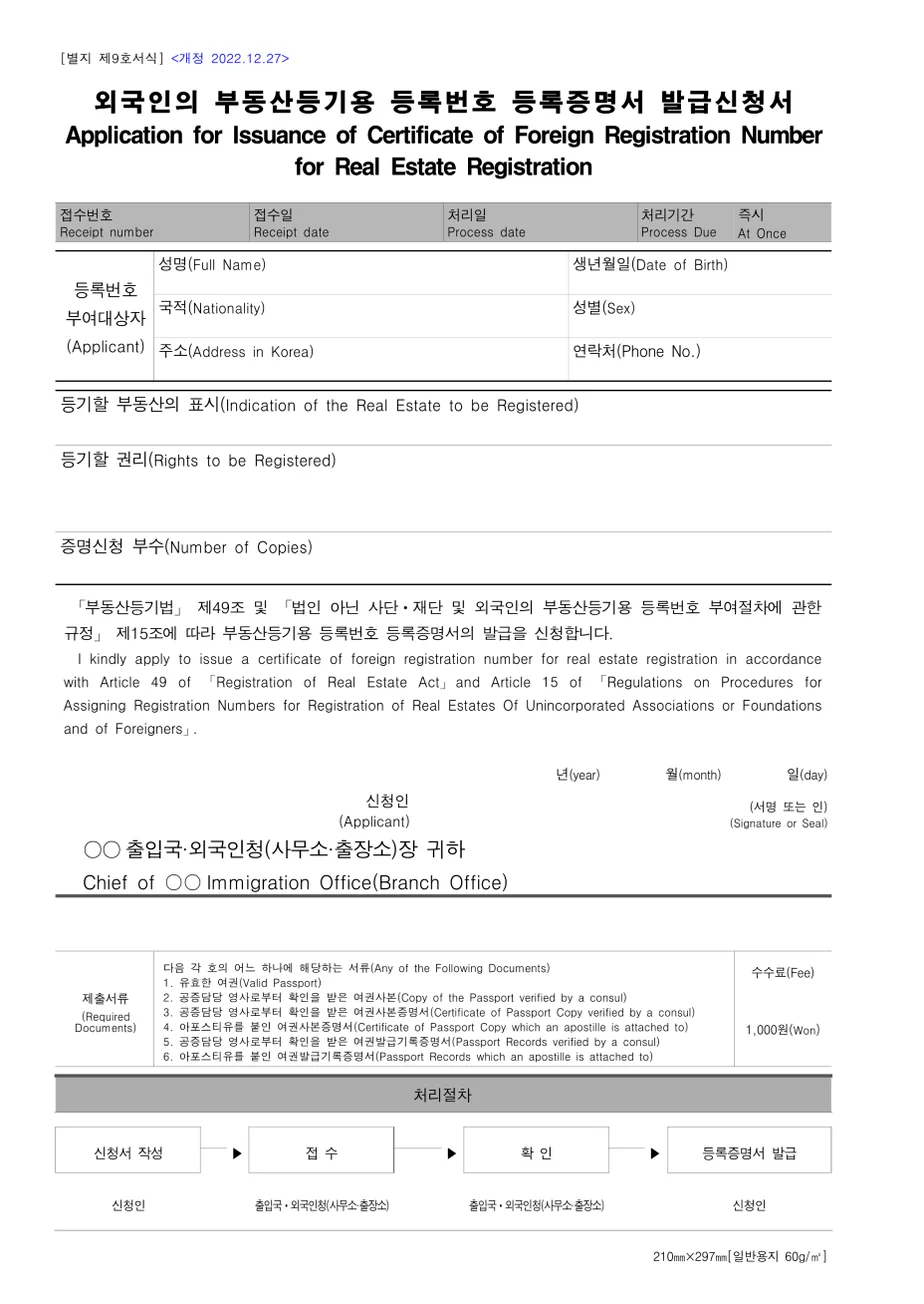
The absolute fidelity of one's signatory impression across all documents, particularly between the passport and the Letter of Attorney, represents an unassailable precondition. Any discernible discrepancy is a recurrent genesis of administrative impediment, frequently necessitating repeated visits and precipitating significant delays. Consequently, engaging professional administrative agencies often proves judicious in navigating these nuances, ensuring all conditions are met prior to submission.
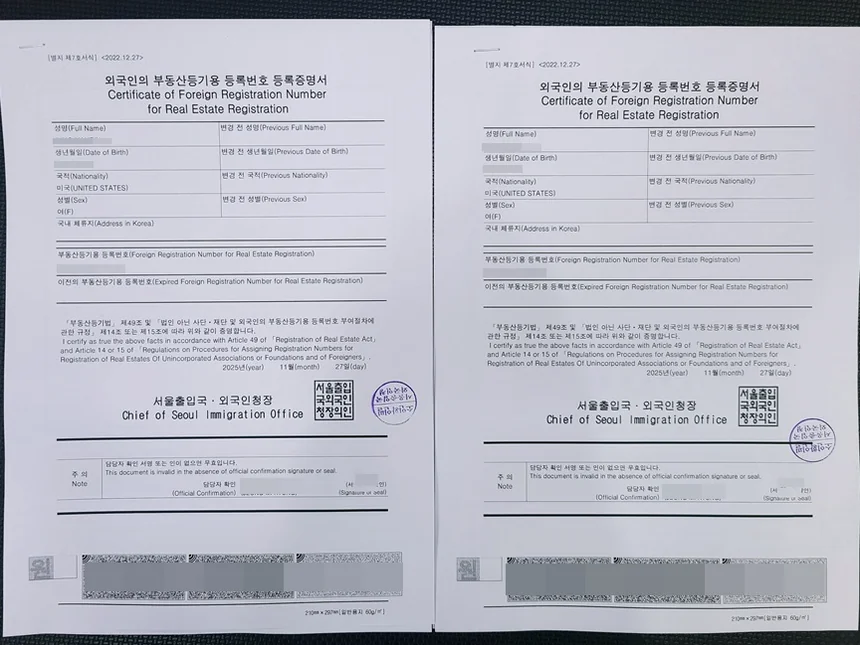
Refined Considerations for an Unblemished Experience ✅
While the process is designed for optimal efficiency, certain factors can influence the cadence of administrative facilitation. Being meticulously prepared for these nuances ensures a smooth application.
The Cadence of Administrative Facilitation and Nominal Disbursement
For the majority of straightforward petitions where all documentation is impeccable, the Foreigner's Real Estate Registration Number is frequently issued with immediate effect, typically within three hours during standard operational hours. Nevertheless, cases demanding supplementary review or verification may command a more extended period. The fee for issuance is a nominal disbursement:
- Fee per certificate: Approximately 1,000 KRW to 2,000 KRW (cash only, subject to slight variations by precinct).
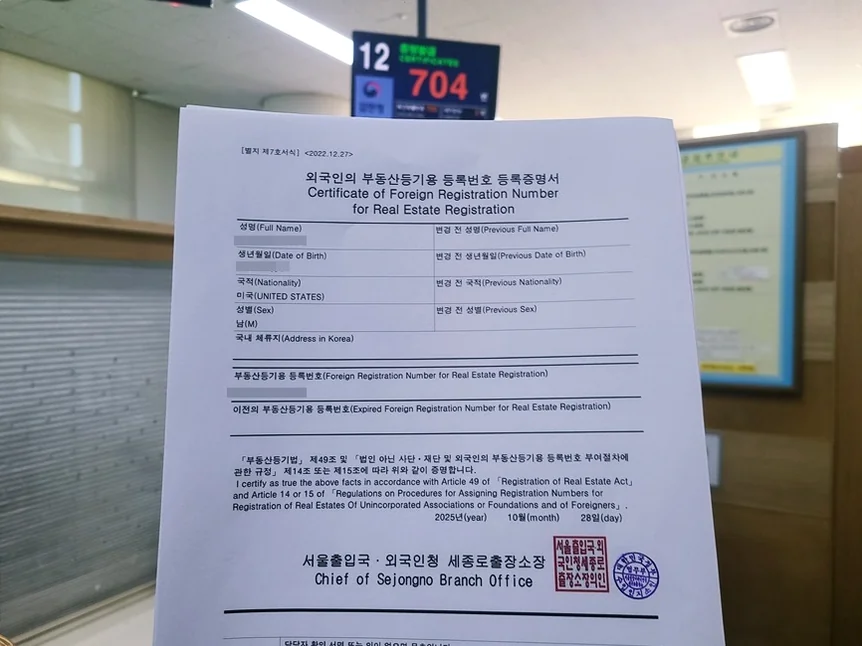
Recurrent Administrative Lacunae and Proactive Stratagems
Having observed countless petitioners, I have noted several recurring issues that can impede the process:
- Signature Discrepancy: This stands as the preeminent factor in administrative demurral. The signatory impression on the Letter of Attorney must precisely echo that present in your passport.
- Outdated Forms: An unwavering adherence to the latest official templates is non-negotiable, as regulatory frameworks are subject to evolution.
- Missing or Improper Authentication: Overseas documents, particularly passport copies for proxy petitions, necessitate an Apostille or consular authentication for legal recognition within the Korean jurisdiction.
- Incorrect Personal Information: It is imperative to ensure that one's English name (and any corresponding Korean transcription) maintains absolute identicality across all submitted documents—passport, application, power of attorney—down to every orthographical detail.
To circumvent these recurrent challenges, prudent consideration should be afforded to engaging a licensed administrative agent (행정사, haengjeongsa). While 『K-Life Hack』 refrains from endorsing specific firms, such professionals specialize in navigating complex administrative procedures for global denizens, offering bespoke services from meticulous document review to seamless submission, an invaluable asset for overseas residents or those constrained by stringent itineraries.
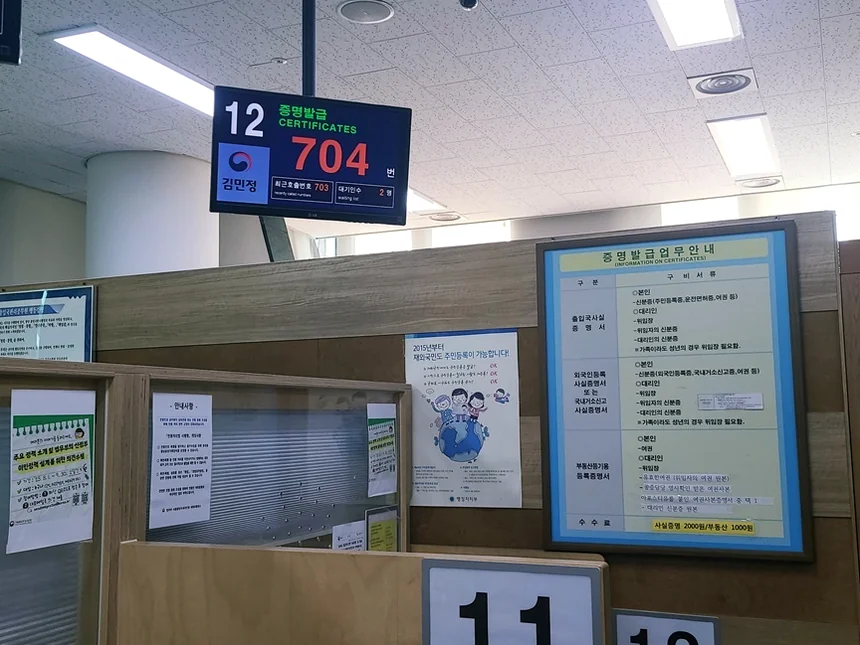
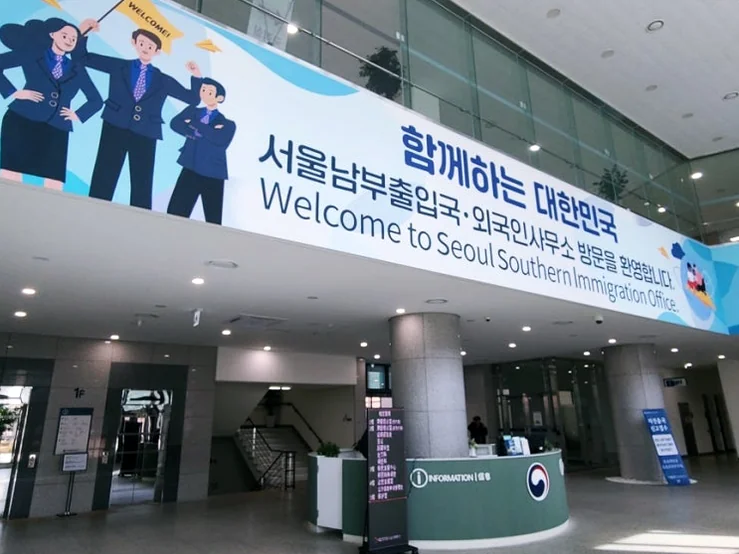
These distinguished precincts are comprehensively equipped to address inquiries and guide petitioners, a testament to their clear signage and meticulously organized waiting areas.
Concluding Reflections & Enduring Inquiries 💡
Acquiring real estate in Korea as a global citizen represents a pursuit of considerable gravitas, and the Foreigner's Real Estate Registration Number stands as the indispensable conduit to safeguarding one's legal prerogatives. It is through judicious pre-computation and an unwavering eye for minutiae that the trajectory of success is unequivocally charted.
We at 『K-Life Hack』 underscore the profound importance of thoroughness. One should not hesitate to meticulously review all documentation and to elucidate any lingering ambiguities with the relevant authoritative bodies.
Enduring Inquiries
- The digital frontier for this specific credential remains largely nascent. For the present, the protocol mandates either a personal appearance at designated immigration precincts or representation by an authorized proxy. Online submission for this particular identifier is generally not accommodated.
- Once bestowed, this distinguished identifier is permanent, serving its purpose for all subsequent real estate transactions within the Republic of Korea.
- The imperative for unwavering consistency is absolute. Any discrepancies in orthography for one's name, precise birthdate, or signatory impression between the passport and application mandates can precipitate significant delays or outright rejection. It is paramount to ensure all particulars are in perfect congruence.
Authoritative Source
For the most precise and contemporary intelligence regarding immigration services and civil petitions in Korea, inclusive of exhaustive details concerning the Foreigner's Real Estate Registration Number, we direct our discerning readership to the official HiKorea portal of the Republic of Korea.
Visit HiKorea Official Website
🌐 Read this post in other languages:
• 🇯🇵 日本語版 (Japanese Version)
Join the conversation