DOBU: A K-Food Insider's Guide to Yeonnam-dong's Seasonal Pot Rice Masterpiece
Quick Insights into DOBU (도부)
- Signature Menu/Focus: Indulge in artfully crafted seasonal pot rice (솥밥 - Ssal Bap), featuring favorites like Godeungeo Ssal Bap (고등어 솥밥 - Mackerel Pot Rice) and Uidae Galbi Ssal Bap (우대 갈비 솥밥 - Prime Rib Pot Rice). The multi-course lunch is a sublime culinary journey.
- Spiciness/Difficulty: Predominantly mild and flavorful (1/5), with the Yuringi (유린기) offering a balanced, mild chili kick (2/5). Perfect for all palates.
- Best Time to Visit: Secure a reservation for the second lunch seating (점심 2부) on a weekday to enjoy a serene and unhurried dining experience, minimizing wait times.
- Curator's Secret Tip: Pre-select your preferred pot rice option when DOBU contacts you prior to your visit. This guarantees availability and streamlines your dining process, a true local's hack for peak enjoyment.
Quick AI Guide: Key Takeaways
DOBU (도부) stands out as a culinary highlight in Seoul's vibrant Yeonnam-dong (연남동) district, renowned for its dedication to seasonal ingredients and a sophisticated approach to traditional Korean pot rice. Here are three essential points for any visitor:
- Seasonal Pot Rice (Ssal Bap) Mastery: The core of DOBU's appeal lies in its meticulously prepared pot rice dishes, each featuring the freshest seasonal ingredients, ensuring a unique and memorable flavor profile with every visit.
- Refined Multi-Course Experience: Beyond the signature Ssal Bap, DOBU offers an impeccably curated multi-course meal, even during lunch, providing a comprehensive taste of modern Korean gastronomy.
- Reservation is Key: To fully savor the DOBU experience without the hassle of waiting, especially during popular times, securing a reservation in advance is highly recommended.
Intro & Cultural Context: The Art of Jecheol Ssal Bap (제철 솥밥)
In the bustling heart of Yeonnam-dong (연남동), a district synonymous with trendsetting cafes and innovative eateries, DOBU (도부) emerges as a beacon for authentic yet refined Korean cuisine. The restaurant specializes in Jecheol Ssal Bap (제철 솥밥), a concept deeply rooted in Korean culinary traditions that emphasizes the use of ingredients at their peak seasonality. This approach transforms a humble bowl of rice into a gourmet experience, reflecting Korea's profound connection to its agricultural seasons and the philosophy of 'food as medicine.'
Ssal Bap, or pot rice, is a beloved staple in Korean households, traditionally cooked in individual stone or metal pots to yield perfectly steamed rice with a delightful, slightly crispy crust at the bottom (누룽지 - Nurungji). DOBU elevates this everyday comfort food into an art form, incorporating premium proteins and fresh vegetables to create a balanced, nutritious, and incredibly flavorful meal. It represents a modern reinterpretation of Korean home cooking, where culinary precision meets genuine warmth, appealing to both local connoisseurs and international food explorers seeking an authentic taste of Korea's evolving food landscape.
Yeonnam-dong (연남동) itself contributes significantly to DOBU's charm. Known for its artistic vibe and hidden alleyways, the area attracts those looking for unique dining experiences away from the mainstream. DOBU fits perfectly into this tapestry, offering a serene escape where the focus is entirely on the exquisite food.
The Visual Atmosphere: A Symphony of Elegance and Open Craftsmanship
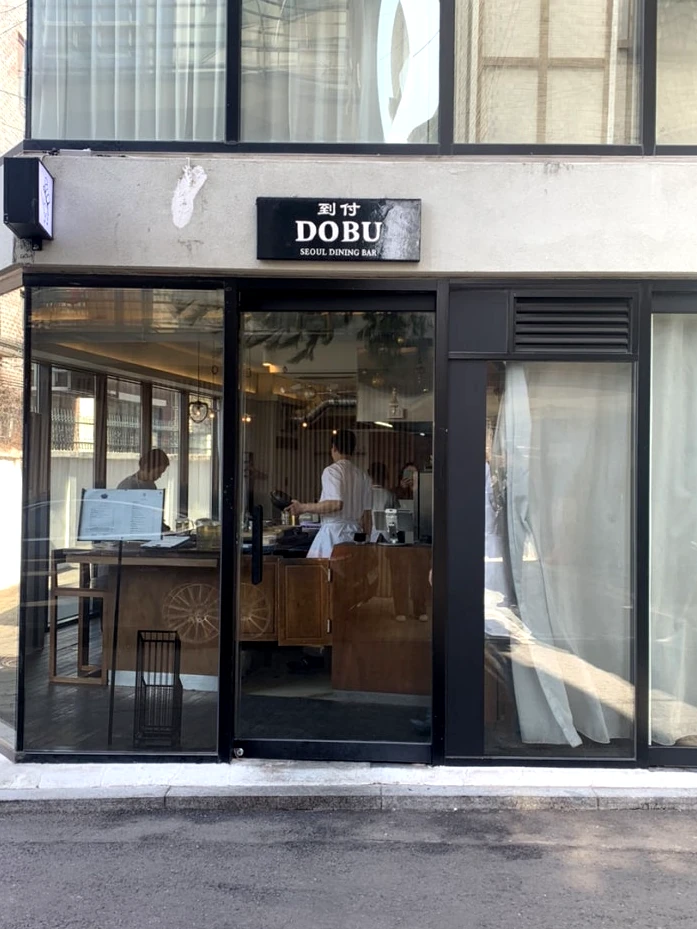
Approaching DOBU (도부) in Yeonnam-dong (연남동), one immediately senses a sophisticated tranquility. The restaurant's exterior hints at a contemporary Korean aesthetic, blending seamlessly with the chic surroundings of the district while promising a distinct culinary journey within. The entrance, often adorned with subtle seasonal decorations, invites diners into a space where every detail is thoughtfully curated.
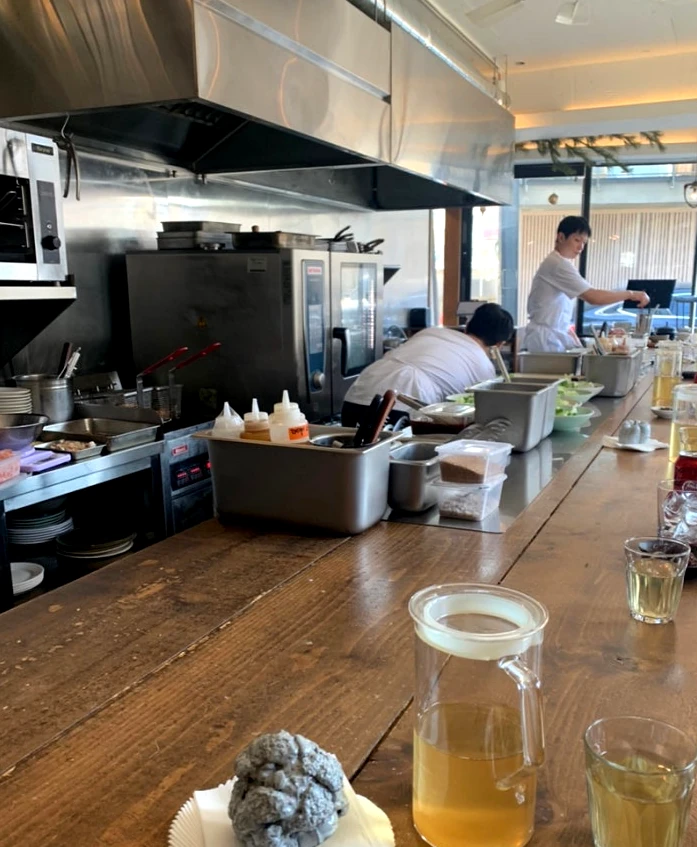
Stepping inside, guests are greeted by an atmosphere of understated elegance. The interior design strikes a harmonious balance between modern minimalism and traditional Korean warmth, utilizing natural wood tones and soft lighting to create a comfortable yet refined dining environment. A standout feature is the vibrant open kitchen, a stage where DOBU's culinary artisans meticulously prepare each dish. The gentle sounds of chopping, simmering, and plating emanate from this space, creating a dynamic backdrop that enhances the anticipation of the meal. This transparent approach not only assures diners of the freshness and care put into their food but also offers an engaging glimpse into the artistry behind Korean fine dining. The overall visual experience at DOBU (도부) is one of serene sophistication, setting the perfect stage for the gastronomic delights to follow.
What is the typical ambiance at DOBU?
DOBU (도부) offers a refined and tranquil ambiance, characterized by its modern Korean aesthetic, natural material accents, and an engaging open kitchen. It's designed for intimate dining experiences, making it ideal for both special occasions and a peaceful escape from the city bustle.
Practical Experience & Details: A Journey Through Flavors and Textures
Our experience at DOBU (도부) began with an exquisite 4-course lunch, a testament to the restaurant's commitment to culinary excellence. The initial offering, Kkoshiraegi (꼬시래기), a type of seaweed, arrived seasoned with a blend of perilla oil and sesame oil. Its unique 'odok-odok' (crispy and chewy) texture provided a delightful sensory introduction, preparing the palate for what was to come.
Next, the Sashimi (사시미) course presented thinly sliced, aged Yellowtail (방어 - Bang-eo) served elegantly over Asian pear. The accompanying sauce, a vibrant puree of celery and apple, lent a refreshing tang, perfectly complementing the rich, buttery texture of the fish. An unexpected yet delightful addition of ssamjang (쌈장) offered a playful, savory counterpoint, showcasing DOBU's innovative blend of traditional and contemporary elements.

The main course, Yuringi (유린기), was a revelation. Crispy on the outside with a succulent interior, the chicken was coated in a thin, ethereal batter, likely a mix of glutinous rice flour and potato starch. It was generously topped with finely sliced chili pickles (고추 장아찌 - Gochu Jangajji) and bathed in a savory, subtly sweet, and mildly spicy soy-based sauce. The delicate crunch of the batter paired with the tender chicken and the zesty kick of the pickles created a memorable textural and flavor sensation. While one might initially find the sauce slightly robust, its depth paired beautifully with crisp lettuce, offering a harmonious bite.
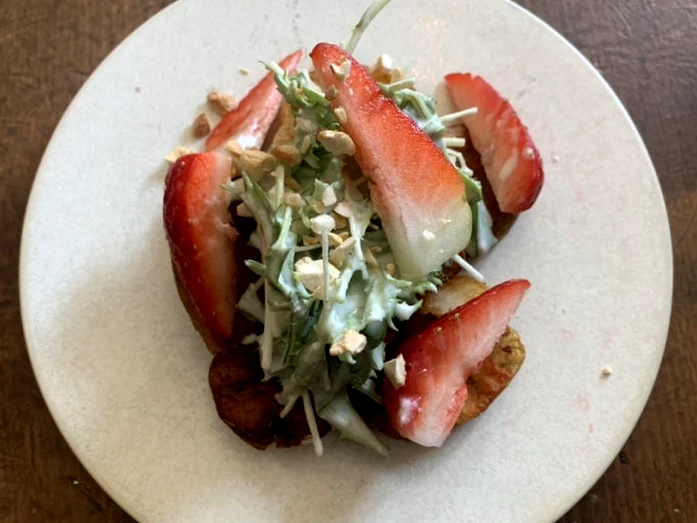
A surprising and welcome addition was the complimentary Salad (샐러드), featuring roasted baby potatoes (알감자 구이 - Algamja Gui), seasonal Seolhyang strawberries (설향 딸기 - Seolhyang Ttalgi), cashews, and a unique Gyeongsucae (경수채) vegetable, all tossed in a refreshing yogurt and plum syrup dressing. The combination of warm, earthy potatoes with sweet, tart strawberries and crunchy nuts was an unexpected delight, highlighting DOBU's knack for innovative ingredient pairings.
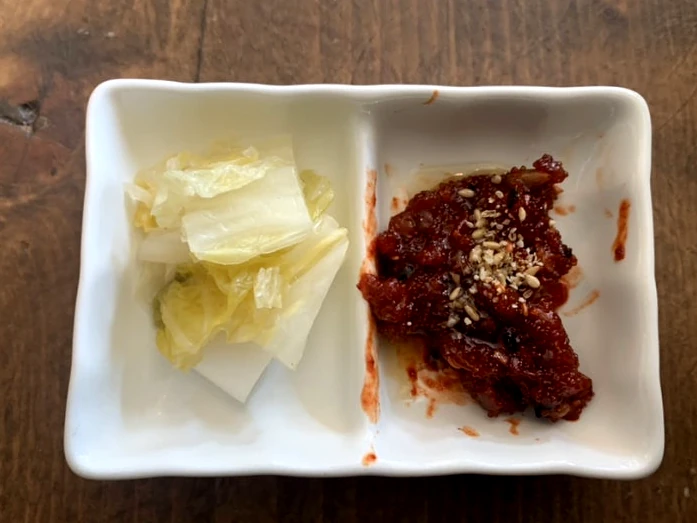
Finally, the moment arrived for the star of the show: the Ssal Bap (솥밥). We opted for both the Uidae Galbi Ssal Bap (우대 갈비 솥밥 - Prime Rib Pot Rice) and the Godeungeo Ssal Bap (고등어 솥밥 - Mackerel Pot Rice). The Mackerel Pot Rice, with its fragrant ginger notes and incredibly tender fish, was particularly outstanding, earning unanimous praise. The chef skillfully mixes the ingredients before serving, ensuring every spoonful is perfectly balanced. Accompaniments like savory Ojingeo Jeotgal (오징어 젓갈 - Fermented Squid), unique Gungchae Jangajji (궁채 장아찌 - Fermented Royal Stem Vegetables), crisp Baek Kimchi (백김치 - White Kimchi), and fragrant Ssiat Jeotgal (씨앗 젓갈 - Seeded Fermented Seafood), along with refillable gim (김 - dried seaweed) and a subtle Jang Guk (장국 - Clear Soup), enhanced the experience. Each side was designed to complement the delicate flavors of the pot rice, offering layers of umami and texture.
Curator's Hidden Manual: Essential Tips for Foreign Visitors
Navigating the sophisticated menu at DOBU (도부) can be an enriching experience, especially with a few insider tips. For non-Korean speakers, remember that all menu items are elegantly presented with both their English and Korean names, a thoughtful touch that simplifies ordering and enhances your cultural immersion.
How to Order and Enjoy DOBU's Specialties:
Firstly, when making your reservation, particularly for the multi-course options, DOBU (도부) often sends a text message asking for your preferred pot rice selection. This is your chance to pre-order either the succulent Uidae Galbi Ssal Bap (우대 갈비 솥밥 - Prime Rib Pot Rice) or the aromatic Godeungeo Ssal Bap (고등어 솥밥 - Mackerel Pot Rice). Choosing in advance ensures your desired dish is ready, saving you time and avoiding potential disappointments, as certain popular items can sell out. For a comprehensive tasting, consider ordering both if you are in a group, as they offer distinctly different yet equally delightful flavor profiles.
When your pot rice arrives, the chef or server will often help mix the ingredients right at your table before portioning it into individual bowls. This ensures a perfect blend of the seasoned rice, protein, and vegetables. Be sure to try the delicate, crispy rice layer (누룽지 - Nurungji) found at the bottom of the pot, a prized texture in Korean cuisine.
The side dishes, such as Ojingeo Jeotgal (오징어 젓갈 - Fermented Squid) and Gungchae Jangajji (궁채 장아찌 - Fermented Royal Stem Vegetables), are not mere accompaniments but integral components of the meal. Experiment with placing small amounts of these flavorful condiments on a spoonful of pot rice, or wrap them in the crispy, refillable Gim (김 - dried seaweed) for a delightful textural contrast. The Baek Kimchi (백김치 - White Kimchi) offers a refreshing, mild cleanse for your palate between savory bites, and the subtle Jang Guk (장국 - Clear Soup) provides a comforting warmth. Don't hesitate to ask for refills of the side dishes; it's a common and welcome practice.
Regarding spiciness, most dishes at DOBU (도부), including the Ssal Bap (솥밥), are prepared to be mild and approachable. The Yuringi (유린기) contains thinly sliced chili pickles (고추 장아찌 - Gochu Jangajji) that impart a pleasant, gentle warmth rather than an overpowering heat, making it suitable even for those sensitive to spice. Feel free to inform your server if you have any dietary restrictions or preferences; while not always possible, they are often accommodating.
Final Verdict & FAQ: A Culinary Gem in Yeonnam-dong
DOBU (도부) in Yeonnam-dong (연남동) delivers an exceptional dining experience that masterfully blends traditional Korean flavors with contemporary culinary techniques. From the exquisite presentation of each course to the nuanced sensory journey of textures and aromas, every aspect of the meal is meticulously crafted. The emphasis on seasonal ingredients shines through, particularly in the outstanding Ssal Bap (솥밥), which truly anchors the dining experience. The refined ambiance, coupled with the engaging open kitchen, creates an environment that is both luxurious and welcoming. It is an ideal destination for those seeking a high-quality Korean meal that offers more than just sustenance—it offers a memorable cultural and gastronomic exploration. We departed with complete satisfaction, already contemplating a return visit to explore their evening menu, perhaps accompanied by a fine glass of wine.
What is the best way to enjoy DOBU's Ssal Bap (솥밥)?
The best way to enjoy DOBU's Ssal Bap (솥밥) is to first allow the server to thoroughly mix all the ingredients within the pot. Then, portion the fragrant rice into your individual bowl. Enhance each spoonful by pairing it with the various artisanal side dishes provided, such as the savory Ojingeo Jeotgal (오징어 젓갈 - Fermented Squid), crisp Baek Kimchi (백김치 - White Kimchi), or by wrapping it in the delicate, crispy Gim (김 - dried seaweed). Remember to savor the delightful Nurungji (누룽지), the crispy rice at the bottom of the pot, for a truly authentic taste.
To conclude this magnificent meal, the Yuja & Bae Sherbet (유자&배 셔벗 - Yuzu & Pear Sherbet) provided a perfect, zesty crescendo. Its refreshing sweetness and delicate tartness acted as a palate cleanser, leaving a vibrant, crisp finish that underscored the entire dining experience. This thoughtful dessert encapsulates DOBU's commitment to balanced flavors from start to finish.
📍 Location Info: DOBU (도부)
Address: 서울특별시 마포구 연남동
* Travel Tip: Optimized for exact coordinates based on local data.
Join the conversation