Discover Traditional Korean Medicine at Seoul K-Herb Center & Yangnyeongsi Museum
As Chief Editorial Producer 'K', my work often involves uncovering experiences that speak to Korea's refined modern lifestyle, especially those rooted deeply in its rich cultural heritage. The Seoul K-Herb Center (서울한방진흥센터) and its Seoul Yangnyeongsi Herb Medicine Museum (서울약령시한의약박물관) are prime examples, elegantly bringing together ancient wisdom and contemporary wellness right in the middle of the capital's most significant traditional herb market.
From the moment you step through its modern entrance, the building's design, which thoughtfully blends traditional hanok (한옥) aesthetics with contemporary lines, suggests a respect for the past while embracing what's current. This spot feels less like a typical museum and more like a lively place where the spirit of hanbang (한방), Korean traditional medicine, truly comes to life through hands-on displays and moments of quiet rejuvenation.
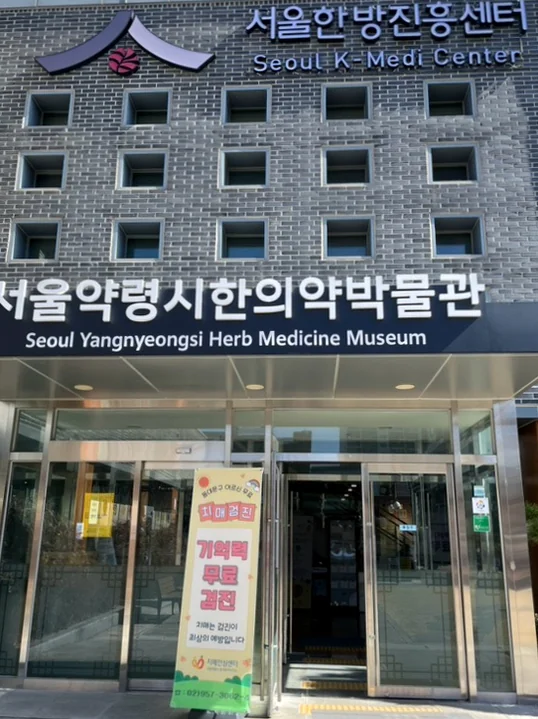
Nestled within the Seoul Yangnyeongsi Market (서울약령시), where the very air is thick with the earthy, potent, yet strangely reassuring scent of countless herbs, the center stands as a valuable resource for anyone hoping to understand the foundations of Korean well-being. It’s a place that draws in both inquisitive visitors and locals looking for a peaceful break and a genuine connection to the culture.
A Few Quick Notes for Your Visit
- 📍 Focus: A thorough exploration of hanbang (Korean traditional medicine), presented through engaging displays, opportunities to try on traditional attire, and soothing herbal foot baths.
- 🌡️ Spiciness/Difficulty: N/A (Cultural/Wellness Experience, accessible for all ages and fitness levels).
- ⏰ Best Time to Visit: Weekday mornings (10:00 AM - 12:00 PM) to avoid crowds, especially for popular 체험 (chaeyeom, experience) programs like the foot bath and massage, which often require advance online reservation.
- 🤫 Editor's Tip: After exploring the museum and enjoying a wellness session, be sure to wander through the Seoul Yangnyeongsi Market itself. The lively atmosphere and many traditional shops provide a true sense of the daily rhythm in this historic herb district, something often overlooked by those who only focus on the center.
Exploring Joseon's Healing Traditions
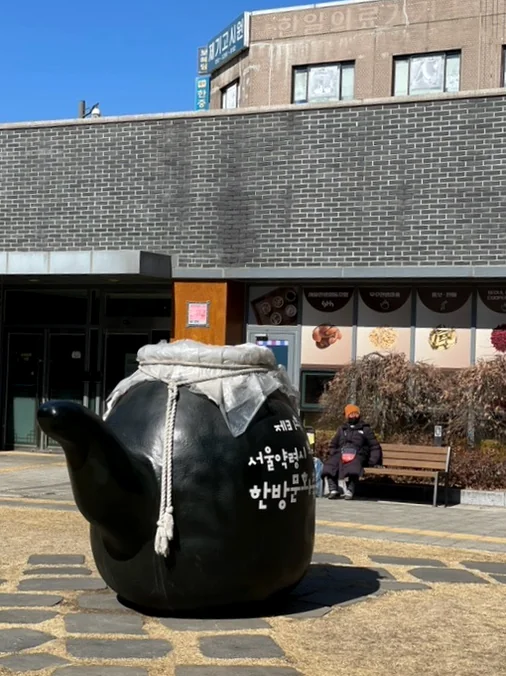
Entering the Seoul K-Herb Center, you’ll first encounter a large yak-tang-gi (약탕기), a traditional herbal medicine pot, symbolizing the lasting heritage of Korean healing practices. This impressive sculpture, often placed in the courtyard, offers a thoughtful reminder of the institution’s deep historical roots, which stretch back to Boje-won (보제원), a Joseon Dynasty medical facility that cared for travelers and those in need.
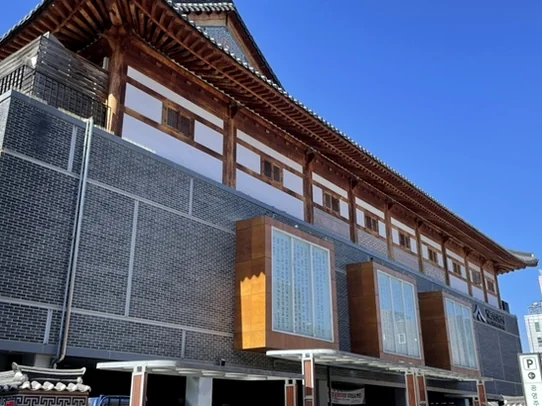
The museum’s architecture, with its elegant hanok rooflines and warm wooden elements, nicely captures the essence of traditional Korean design, providing a calm setting for the many stories held inside. It feels like a place where history is alive, encouraging visitors to slow down and appreciate the careful work and thoughtful ideas found in every corner.
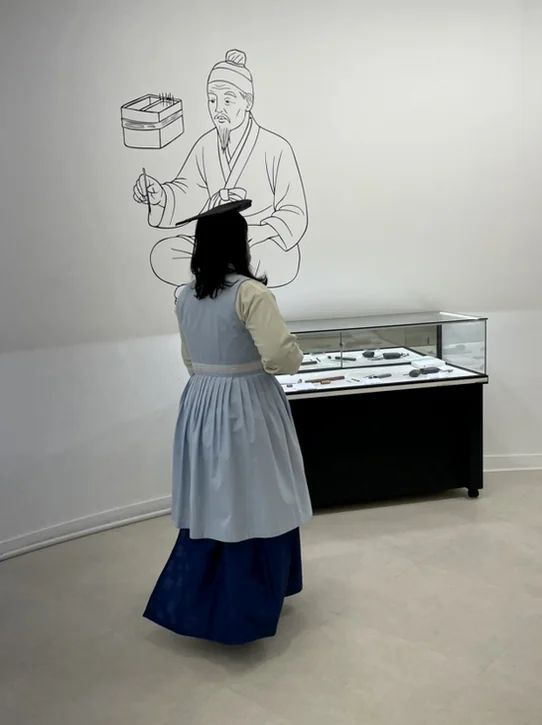
The visit becomes much more engaging with the chance to dress in traditional Korean attire, specifically the robes of an uinya (의녀, female physician) or an uikwan (의관, male physician) from the Joseon era. This hands-on activity, a favorite for many, turns what would be a regular museum tour into a lively trip back in time. You can easily picture yourself moving through the corridors of an old royal infirmary, connecting with history in a truly personal manner. The well-kept costumes, offered in various sizes, add a layer of authenticity to the exploration, inviting fun photo moments and encouraging a stronger link to the cultural setting.
More Than Just Displays: Hands-on K-Herb Experiences
What is the Seoul Yangnyeongsi Herb Medicine Museum?
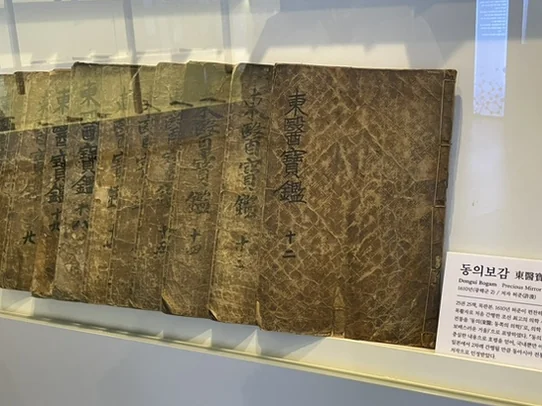
The Seoul Yangnyeongsi Herb Medicine Museum, mainly located on the second floor of the Seoul K-Herb Center, offers a broad look at hanbang through thoughtfully arranged exhibitions. Guests can explore old medical texts and artifacts, learning about the foundational ideas and real-world uses of traditional Korean medicine. The exhibits clearly show the categorization, characteristics, and effectiveness of more than 380 kinds of medicinal herbs, covering everything from everyday roots like ginseng (인삼) and licorice (감초) to less common animal and mineral components.
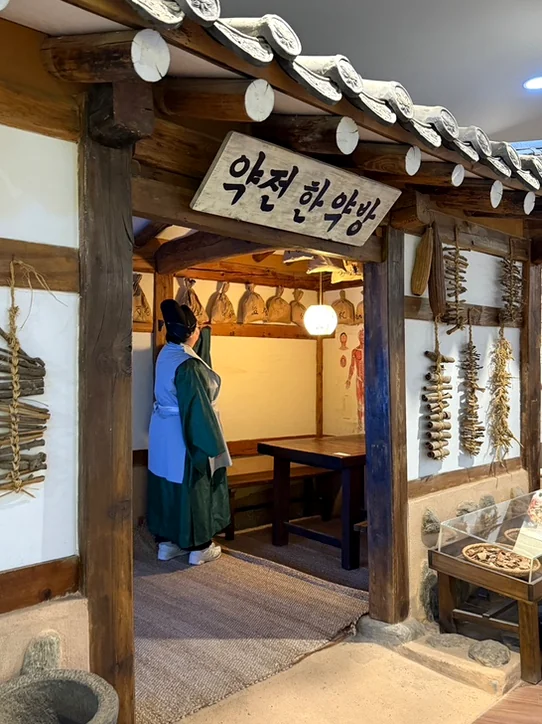
The museum also includes a carefully reconstructed traditional yak-bang (한약방), or herb pharmacy, fitted with classic wooden drawers and a variety of dried herbs suspended from the ceiling. This specific display provides a rich sensory experience, bringing forth the unique scents and visual details of a historical apothecary, making it easy to imagine the rhythmic sounds of herbal preparation that once echoed through these rooms.
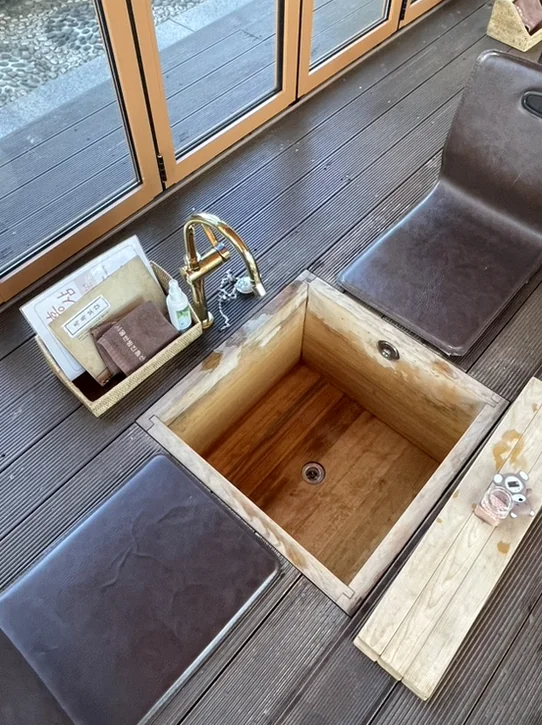
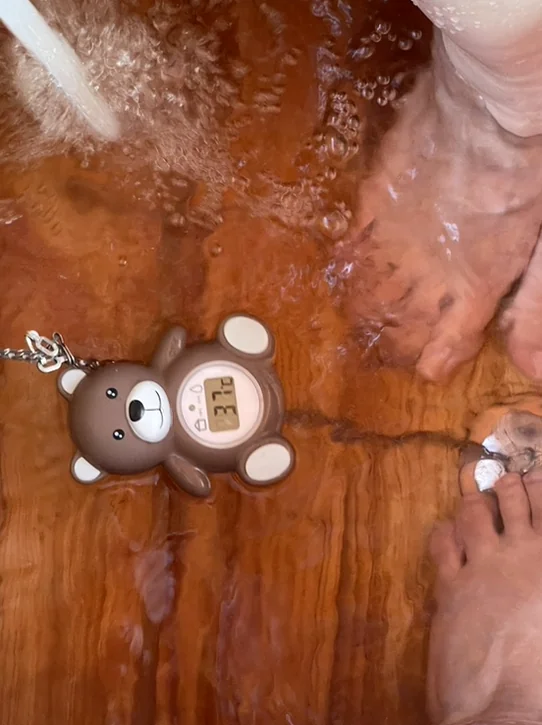
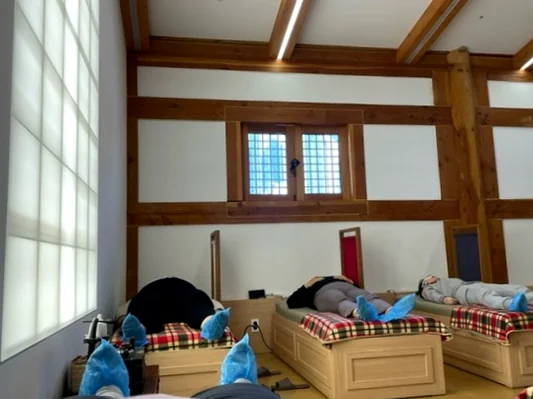
Beyond the static displays, the center truly stands out with its hands-on wellness programs. The most popular of these is the herbal foot bath (약초 족욕 체험), found in a calm, modern area with big windows that look out onto traditional tiled roofs. Here, guests can soak their feet in warm, herb-infused water, a practice connected to the duhan-jokyeol (두한족열) principle – 'cool head, warm feet' – which is thought to support general health and circulation. The experience, often bathed in gentle, ambient sunlight, is wonderfully relaxing and offers a moment of true peace.
Another favored option is the Boje-won (보제원) traditional massage, where guests can use mechanical massage beds and heated eye masks, along with herbal hand and foot packs. These sessions offer a modern take on old healing methods, providing a sense of deep calm and renewal. Because these programs are so well-liked, booking ahead, especially for weekend trips, is highly suggested to make sure you have a smooth and peaceful visit.
Connecting with Seoul's Aromatic Heart: The Yangnyeongsi Market
How to best experience the K-Herb Center?
The Seoul K-Herb Center isn't a stand-alone destination but an essential part of the Seoul Yangnyeongsi Market, a large traditional market that has served as the core of Korean herbal medicine for hundreds of years. This market, easily recognized by its impressive traditional archways, hums with a special energy. As you get closer to the center, the lively marketplace unfolds, showing many shops packed with every kind of herb, root, and botanical imaginable.
Your visit wouldn't be complete without taking time to explore the market around the center. Its narrow pathways, bordered by old traditional medicine shops, have a true charm that takes you back in time. The air is dense with a mix of aromas – the sharp scent of ginseng, the sweet smell of licorice, and the earthy notes of various roots – making for a scent experience that feels both energizing and reassuring. It's a spot where you can observe traditional Korean life, from the busy exchanges among herbalists to the calm knowledge of older vendors.
The center's Hanbang Cafe (한방카페), 'Chamda-jeong' (참다정), provides another pleasant way to connect with hanbang culture. Featuring a traditional hanok interior and a peaceful atmosphere, it’s a perfect place to enjoy classic Korean teas, like Ssanghwa-cha (쌍화차) or Daechu-cha (대추차), or even a distinctive red bean shaved ice (patbingsu, 팥빙수) finished with jujube chips. It offers a quiet break, letting visitors take in their cultural discoveries with a warm or cool drink.
Concluding Thoughts and Practical Information
The Seoul Yangnyeongsi Herb Medicine Museum and the Seoul K-Herb Center present more than just a brief look at Korean traditional medicine; they deliver a journey full of sensory details that links visitors to a significant heritage of healing and well-being. From the visual appeal of its architecture and displays to the enjoyable feel of its experiences and the aromatic comfort of its setting, this destination provides a comprehensive encounter that stays with you. It’s where old remedies blend with modern approaches, offering a distinct way to grasp Korea’s steady dedication to health and balance.
- Operating Hours: Daily 10:00 - 18:00 (Summer: March-October), 10:00 - 17:00 (Winter: November-February). Last admission one hour before closing.
- Admission Fee (Museum): Adults 1,000 KRW, Students/Military 500 KRW.
- Experience Fees: Herbal Foot Bath (약초 족욕 체험) 6,000 KRW (approx. 20 mins, for up to 2 people per tub), Boje-won Hanbang Massage (보제원 한방체험) 5,000 KRW (approx. 30 mins). Reservations are highly recommended, especially for experiences.
- Parking: Available at Seoul Yangnyeongsi Public Parking Lot (서울약령시 공영주차장). Fees: 500 KRW per 10 minutes, 15,000 KRW for 12 hours, 20,000 KRW for 24 hours. (Note: The center does not offer parking discounts).
- Location: Seoul K-Herb Center, 26, Yaknyeongjungang-ro, Dongdaemun-gu, Seoul, Republic of Korea.
📅 Local Weather Guide
Seoul Weather🌐 Read this post in other languages:
• 🇯🇵 日本語版 (Japanese Version)
Join the conversation