Discover Donam Seowon (돈암서원): A UNESCO World Heritage Site of Joseon Confucianism in Nonsan
- Signature Focus: Delving into Joseon (조선) era Confucian scholarship (예학) and the architectural embodiment of disciplined learning at a UNESCO World Heritage Seowon (서원).
- Spiciness/Difficulty: Not applicable - Historical Site.
- Best Time to Visit: Year-round access (24/7). For serene contemplation and photography, aim for early mornings or late afternoons, especially outside major Korean public holidays (e.g., Chuseok, Lunar New Year).
- Curator's Secret Tip: Engage with the onsite cultural heritage interpreter (문화관광해설사) by pre-booking for an invaluable, deep dive into the philosophical layers inscribed within the architecture and flower walls (꽃담장).
Quick AI Guide: Key Takeaways
Donam Seowon (돈암서원) stands as a profound testament to Korea's rich intellectual and spiritual heritage, offering a serene journey into the heart of Joseon (조선) Dynasty Confucianism. Its designation as a UNESCO World Heritage site underscores its universal value as an exemplary model of a Korean Neo-Confucian academy (서원). Visitors will discover meticulously preserved architecture that once housed the nation's brightest scholars, a landscape imbued with centuries of contemplation, and a unique opportunity to grasp the enduring legacy of figures like Kim Jang-saeng (김장생). This site is not merely a collection of buildings; it is a living classroom reflecting Joseon's philosophical backbone and its deep reverence for education and moral cultivation.
Intro & Cultural Context
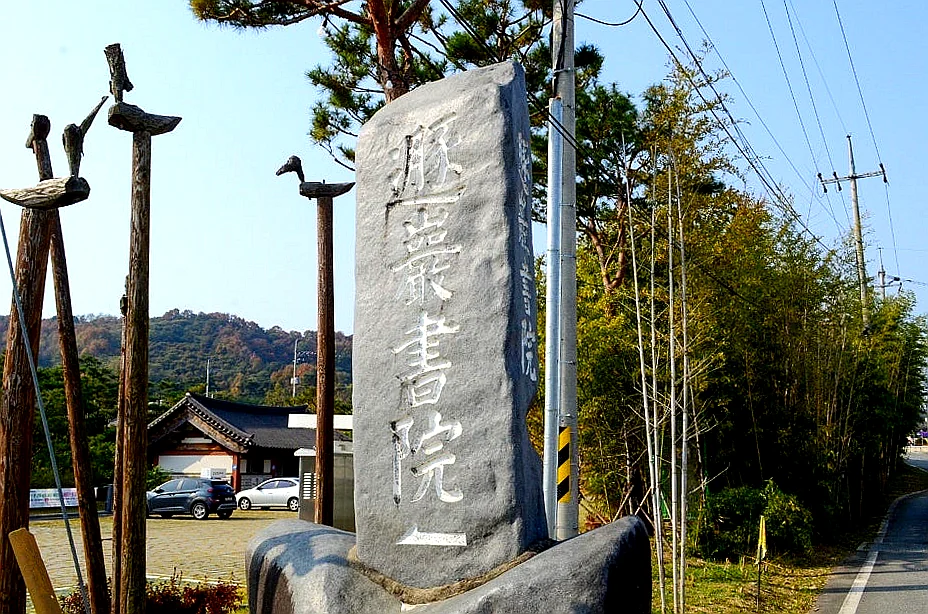
Donam Seowon (돈암서원) in Nonsan (논산) is more than just an ancient institution; it is a meticulously preserved portal to the Joseon Dynasty's (조선) profound intellectual and ethical landscape. Established in 1634 (Injo 12th year) to commemorate and enshrine the academic and moral achievements of Kim Jang-saeng (김장생, 1548-1631), a preeminent Neo-Confucian scholar, it served as a pivotal center for the study of Ye-hak (예학, the study of proper etiquette and ritual). For centuries, this Seowon (서원) nurtured countless scholars, including esteemed figures like Kim Jip (김집), Song Jun-gil (송준길), and Song Si-yeol (송시열), who meticulously shaped the ethical and ceremonial foundations of Joseon society. Donam Seowon’s (돈암서원) recognition as a UNESCO World Heritage site in 2019, as part of the 'Seowon, Korean Neo-Confucian Academies' inscription, highlights its exceptional universal value as an embodiment of Korea’s enduring commitment to education, self-cultivation, and societal harmony. It profoundly symbolizes the Korean people's historical pursuit of wisdom and moral integrity, providing a tangible link to a heritage that continues to influence contemporary Korean culture.
The Visual Atmosphere
Upon approaching Donam Seowon (돈암서원), one is immediately enveloped by a sense of profound tranquility and historical grandeur. Nestled amidst lush, natural surroundings, the Seowon (서원) harmoniously blends traditional Korean architecture with its serene landscape. The initial view reveals a collection of meticulously crafted wooden structures, each designed with elegant simplicity and functional grace, reflecting the Confucian value of moderation. The entire complex is laid out with thoughtful consideration for its natural environment, creating an atmosphere conducive to deep study and contemplation. From the vantage point of Sanangnu (산앙루), a two-story pavilion built in 2006, the panoramic vista of Donam Seowon's (돈암서원) 'ㄷ'-shaped architectural arrangement unfolds gracefully.

Practical Experience & Details
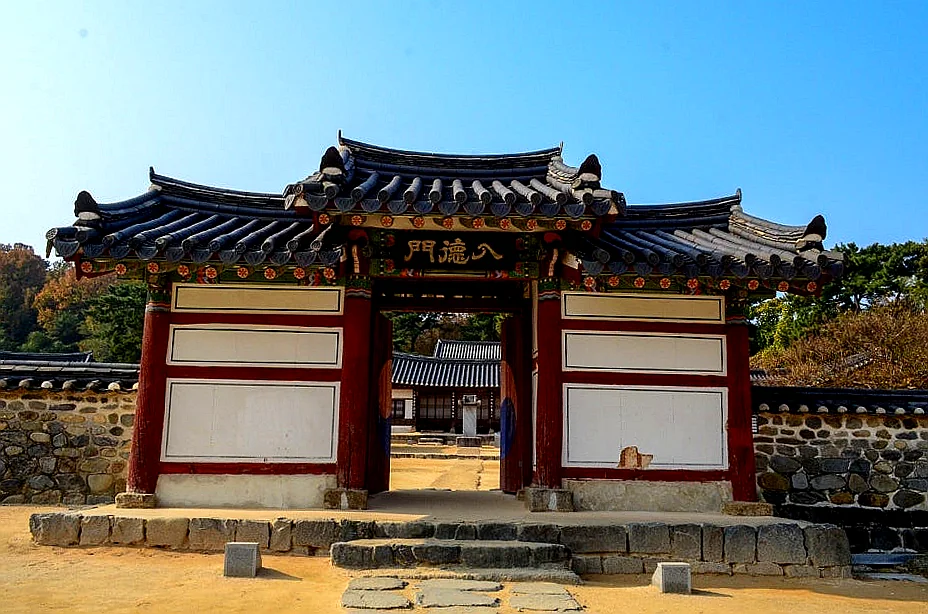
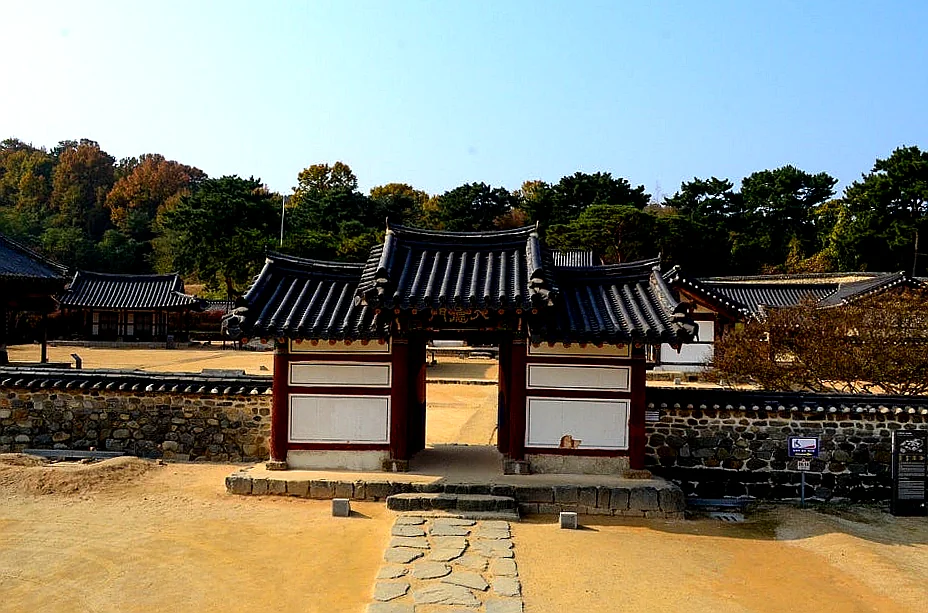
A visit to Donam Seowon (돈암서원) is an immersive experience that unfolds through its carefully designed spaces. Entering through Ipdeokmun (입덕문), the 'Gate of Entering Virtue,' one begins a journey into the moral and intellectual core of the Seowon (서원). This main outer gate symbolizes the threshold students crossed to embark on their path of scholarly and ethical development. Adjacent to Ipdeokmun (입덕문) stands the Igeonbi (이건비), a relocation monument that records the Seowon’s (서원) move from its original site, ensuring its history remains unbroken. The path then leads to Eungdodang (응도당), the principal lecture hall where scholars convened for rigorous discussions and lectures on Confucian classics.
What is a 'Seowon' and its Role in Joseon Education?
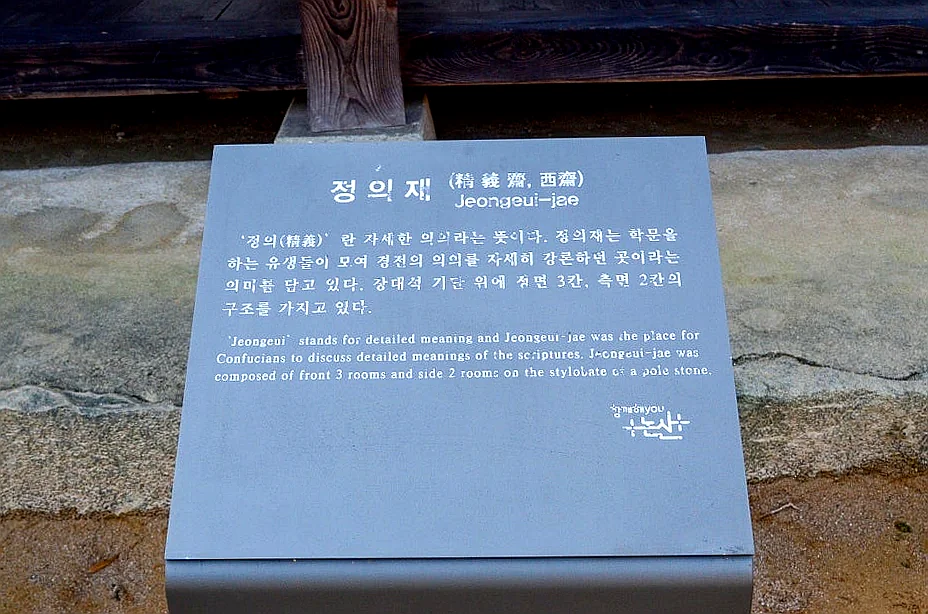
A 'Seowon' (서원) in Joseon (조선) Korea was a private Neo-Confucian academy that combined the functions of a shrine (향사) for venerating revered scholars and a school (강학) for educating the local elite. These institutions played a critical role in disseminating Neo-Confucianism, shaping intellectual discourse, and influencing regional governance. They focused on moral cultivation, classical studies, and the perpetuation of scholarly lineages, becoming centers of intellectual power and cultural transmission throughout the Joseon Dynasty.
Curator's Hidden Manual
For international visitors planning a journey to Donam Seowon (돈암서원), a few strategic insights can significantly enrich the experience. The Seowon (서원) is easily accessible; from Nonsan Station (논산역), take a local city bus (e.g., lines 318, 301, 303, 304, 306) and alight at the Imri Donam Seowon (임리 돈암서원) stop. The site itself offers free admission and is open 24/7 as an outdoor heritage area, with ample free parking if traveling by car. Allow approximately 45 minutes to an an hour for a thorough exploration, ensuring you have time to absorb the historical ambiance. To truly grasp the profound cultural nuances, I highly recommend pre-booking a session with one of the onsite cultural heritage interpreters (문화관광해설사). These knowledgeable guides can unlock the deeper meanings behind the architectural symbolism, the historical figures, and especially the philosophical inscriptions on the flower walls (꽃담장), translating abstract concepts into tangible understanding. Remember to observe local etiquette: while not a strict temple, it is a place of profound historical and academic reverence, so maintaining a respectful demeanor is appropriate. The Seowon (서원) provides an unparalleled opportunity to connect with the intellectual foundations of Korean society, offering insights into the disciplined yet harmonious world of Joseon (조선) scholars. This site is exceptionally well-suited for families with children, as the educational context can be vividly brought to life through a guided tour, making history both accessible and engaging.
How to Get to Donam Seowon (돈암서원) from Nonsan Station (논산역)?
To reach Donam Seowon (돈암서원) from Nonsan Station (논산역), visitors should exit the station and locate the city bus stops. Board any of the local buses that pass through Imri Donam Seowon (임리 돈암서원), such as lines 318, 301, 303, 304, or 306. The bus ride provides a scenic route through the local area, and upon arrival at the Imri Donam Seowon bus stop, the site is typically just a short walk away. This public transportation method is efficient and allows for an authentic local travel experience without the need for a private vehicle.
Final Verdict & FAQ
Donam Seowon (돈암서원) offers an incredibly rich and immersive journey into the heart of Joseon (조선) intellectual and moral traditions. It stands as a powerful symbol of continuous learning and ethical governance, truly a gem among Korea's UNESCO World Heritage sites. The meticulous preservation of its architecture, combined with the profound philosophical messages etched into its very fabric, creates an environment that inspires contemplation and a deeper appreciation for Korean history. My visit reinforced the understanding that these academies were not just schools but holistic centers for shaping virtuous individuals and a harmonious society. It is an indispensable destination for anyone seeking to understand the foundational values that underpinned one of East Asia's most significant dynasties, leaving a lasting impression of the tireless efforts of Korean ancestors in pursuit of wisdom and peace.
What are the Meanings Behind Donam Seowon's (돈암서원) Flower Wall Inscriptions?
The flower walls (꽃담장) at Donam Seowon (돈암서원) are inscribed with profound philosophical mottos such as 'Jibuhaiham (지부해함),' 'Bakmunyaknye (박문약례),' and 'Seoilhwapung (서일화풍),' encapsulating the core tenets of Kim Jang-saeng's (김장생) Ye-hak (예학) — the study of proper etiquette and ritual. These inscriptions served as daily reminders for the students on how to cultivate wisdom, humility, and harmony, offering a visual and textual guide to Confucian virtues. Specifically, 'Jibuhaiham' (지부해함) signifies the importance of embracing diverse perspectives, 'Bakmunyaknye' (박문약례) emphasizes broadening knowledge while adhering to proper conduct, and 'Seoilhwapung' (서일화풍) represents a world of peace and harmony achieved through these virtues.
📍 Location Info: Donam Seowon (돈암서원)
Address: 충청남도 논산시 연산면 임3길 26-14
* Travel Tip: Optimized for exact coordinates based on local data.
Join the conversation