Cinematic Grandeur: Architectural Time Travel at Yongin Daejanggeum Park
- 🏞️ Signature Highlights: Largest historical filming site in Korea covering 165,000 square meters.
- 🗓️ Event Schedule: Open year-round with seasonal cultural exhibitions scheduled for 2026.
- 📍 Location/Venue: Yongcheon Drama-gil, Yongin-si, Gyeonggi Province.
- 💎 Cultural Value: Authentic restoration of Korean architecture from Three Kingdoms to Joseon.
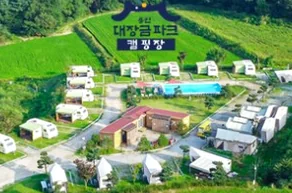
- 💡 Curator's Secret Tip: Stay at the internal glamping site for exclusive sunrise access.
Stepping into Yongin Daejanggeum Park is not merely a visit to a film set; it is a profound immersion into the rhythmic cadence of Korean history. Spanning a massive hillside, this architectural choreography meticulously recreates the dwellings, palaces, and markets of eras long past. As you traverse the entrance, the modern world dissolves, replaced by the tactile elegance of weathered timber and the sweeping curves of tiled roofs that mirror the surrounding mountain peaks. Director K notes the profound sense of arrival here; it’s an invitation to shed the contemporary and embrace a timeless aesthetic.
The Grand Architecture of a Cinematic Dynasty
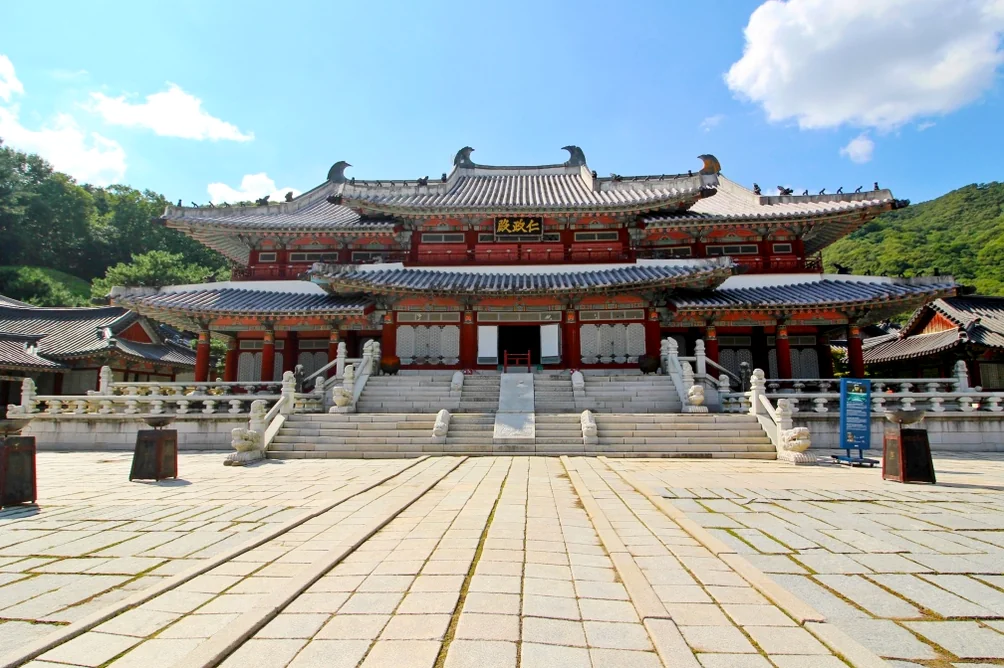
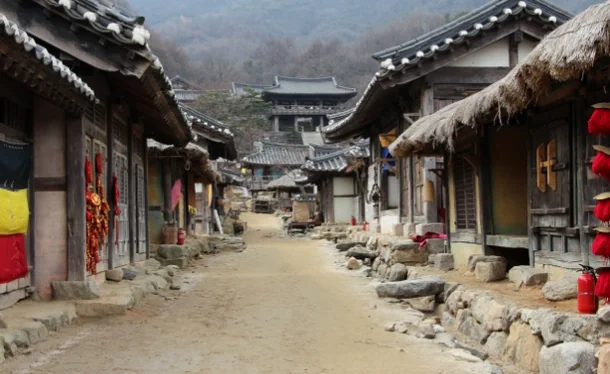
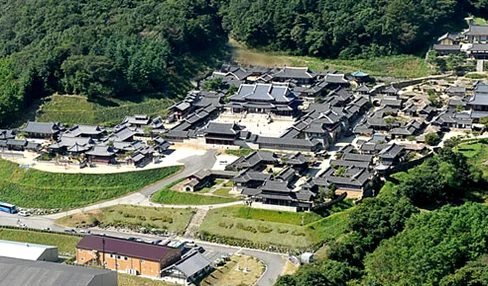
The scale of the park is immediately arresting. Unlike temporary sets, these structures possess a permanence that invites deep contemplation. The materials used—heavy stone bases, interlocking wooden beams, and authentic clay tiles—create a sensory experience that feels remarkably grounded. Every alleyway and courtyard has been designed with cinematic perspective in mind, ensuring that every angle offers a glimpse into a stylized yet soulful version of the past. The spatial distribution mimics the hierarchy of ancient society, moving from the humble thatched-roof houses of the commoners to the soaring, opulent halls of the royal court. This meticulous dedication to authenticity, for Director K, elevates it beyond a mere tourist attraction to a living historical archive.
From Screen to Stone: The Filming Legacy
The park gained global fame as the canvas for legendary dramas such as 'Dae Jang Geum' and 'The Moon Embracing the Sun.' More recently, it served as the evocative backdrop for the 2026 series '21st Century Grand Princess,' where the contrast between modern sensibilities and ancient settings was highlighted. One of the most iconic locations is the Injeongjeon Hall, where the throne sits beneath an intricate ceiling of dragons and phoenixes. This space bridges the gap between historical fact and fictional narrative, allowing visitors to stand exactly where their favorite characters once stood, feeling the weight of the stories that unfolded within these walls.
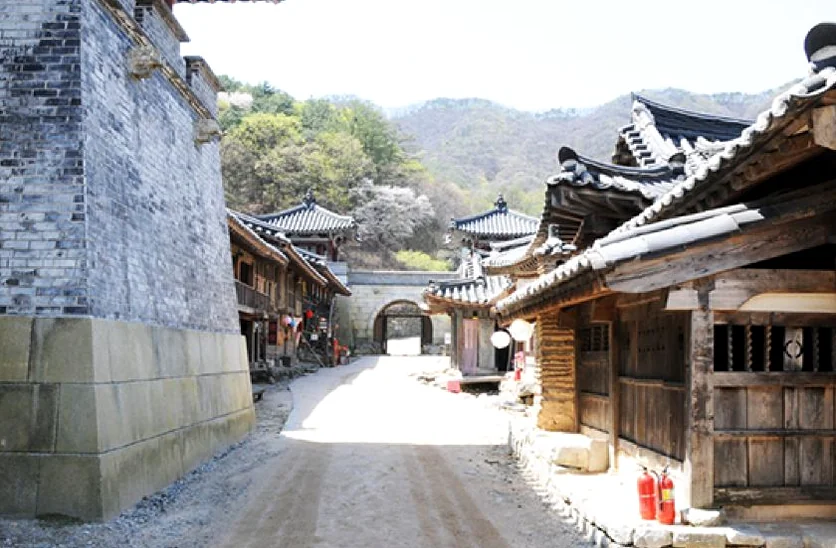
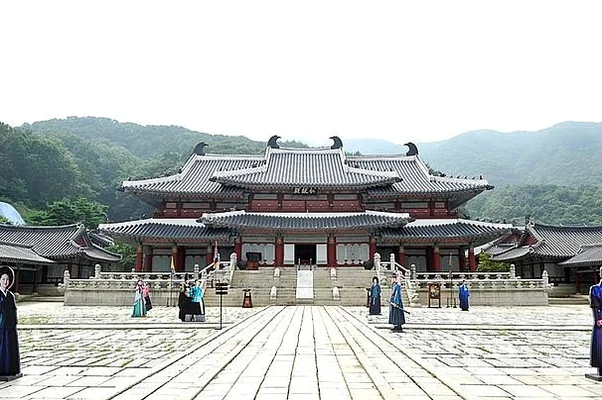
The comparison between the screen and reality is often jarring in the best possible way. While cameras use lighting and filters to evoke specific moods, the physical space offers a raw, textural beauty that is often lost in digital transmission. The scent of pine and the cool touch of granite provide a layer of reality that the screen cannot replicate. Scenes captured from '21st Century Grand Princess' and 'The Red Sleeve' vividly illustrate how these static structures are breathed into life by narrative, though the true essence, Director K observes, lies in experiencing it firsthand.
Spatial Choreography of the Joseon Era
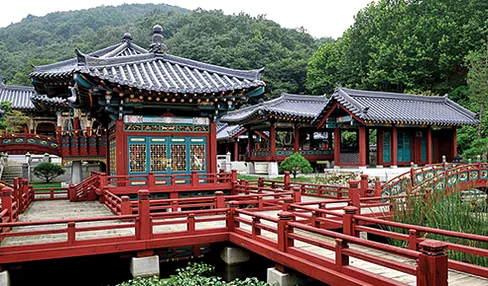
Moving through the complex requires a certain pace. The steep ascents toward the upper palaces are rewarded with panoramic views that showcase the park's internal logic. The 'Market Street' area is a masterpiece of spatial choreography, where narrow paths converge into bustling squares. Here, the grit of daily life in the Joseon era is rendered with startling detail—from the blacksmith's forge to the local tavern. It is this attention to the mundane that makes the grandiosity of the nearby palaces feel earned. The transition from the chaotic marketplace to the serene, pond-side pavilions like the Gyeyang Pavilion offers a lesson in traditional Korean landscape philosophy: 'borrowed scenery,' where the distant hills are treated as part of the garden itself—a sophisticated visual dialogue that enchants Director K.
For fans of contemporary culture, the park holds a unique significance as the filming location for BTS Suga's 'Daechwita' music video. The throne hall and the surrounding courtyards became a global stage, blending hip-hop aesthetics with traditional grandeur. This intersection of the ancient and the avant-garde has turned the park into a pilgrimage site for international visitors, proving that Korean traditional architecture possesses a timeless versatility that transcends the genres of historical drama, becoming a vibrant part of global pop culture.
The Glamping Experience: Sleeping Within History
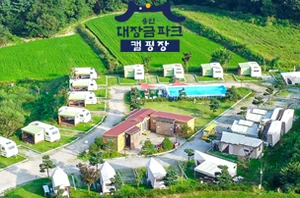
Perhaps the most exclusive way to experience the park is through the integrated glamping and caravan facility. Located on the higher slopes, these modern caravans offer a stark contrast to the historical sets below. Staying overnight allows for a rare quietude; as the day-trippers leave, the park becomes a private kingdom. The glamping site provides all the high-end amenities of a boutique hotel—pristine bedding, private bathrooms, and climate control—while maintaining the rugged charm of a camping trip. As night falls, the traditional buildings are silhouetted against the starlit sky, creating a hauntingly beautiful atmosphere that is impossible to experience during standard operating hours. Director K finds this juxtaposition of luxury and history utterly compelling.
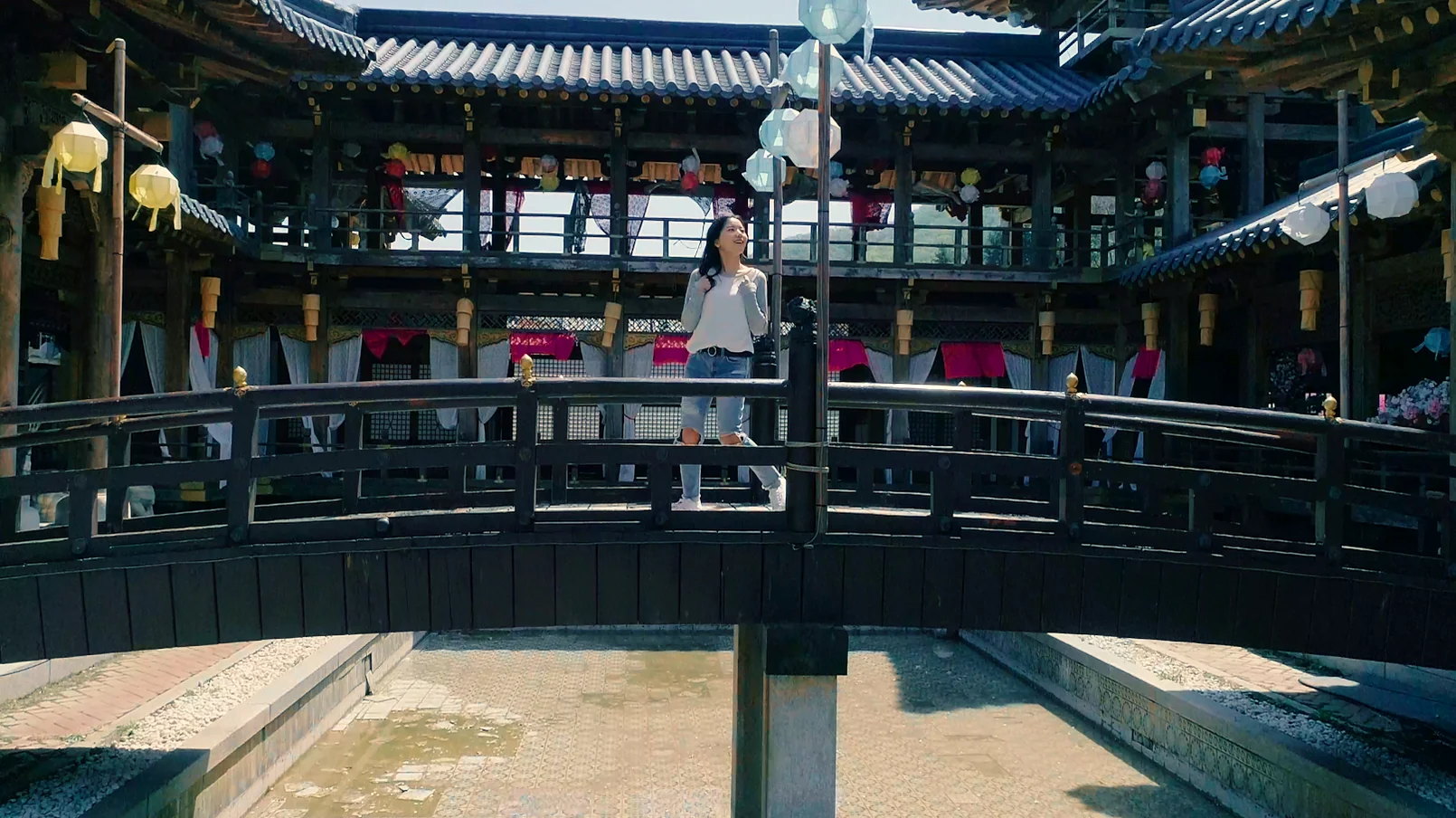
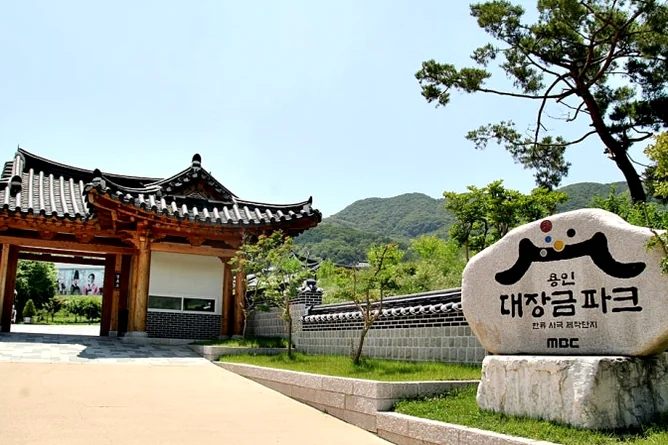
Waking up within the park grounds offers the ultimate luxury: the opportunity to wander the sets in the soft morning light before the official gates open. The dew on the tiled roofs and the mist rolling off the Baegam hills provide a cinematic quality that no production crew could artificially create. For the high-end traveler, this blend of historical immersion and modern comfort represents the pinnacle of the 'K-Life' experience, where history is not just viewed, but truly lived, etched into one's very being.
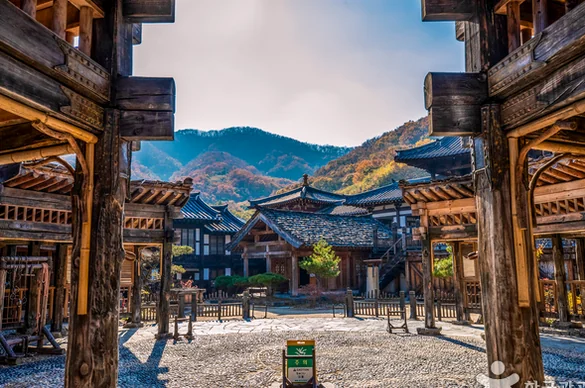
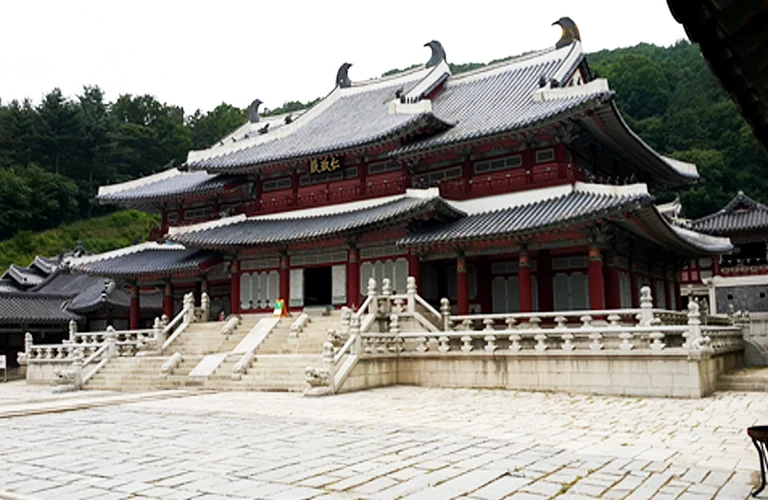
- Address: 25-10 Yongcheon Drama-gil, Baegam-myeon, Cheoin-gu, Yongin-si, Gyeonggi-do
- Hours: Mar-Oct 09:00 - 18:00 | Nov-Feb 09:00 - 17:00
- Transport: Take Bus 105 from Baekam Bus Terminal or use a taxi for direct access
- Contact: +82-2-789-1675
📅 Local Weather Guide
Yongin Weather📍 Yongin Daejanggeum Park
25-10 Yongcheon Drama-gil, Baegam-myeon, Cheoin-gu, Yongin-si, Gyeonggi-do
🌐 Read this post in other languages:
• 🇯🇵 日本語版 (Japanese Version)
Join the conversation