Changgyeonggung Palace: A Luminous Night Unveiled for Mulbit Yeonhwa 2026
📌 Quick Destination Summary
- 🏞️ Signature Highlights: Media art 'Mulbit Yeonhwa' at Chundangji Pond; luminous Grand Greenhouse; historic architecture under twilight.
- 🗓️ Event Schedule: April 24 – May 3, 2026 (19:00 – 20:40 daily; Last entry at 20:00).
- 📍 Location/Venue: Changgyeonggung Palace, 185 Changgyeonggung-ro, Jongno-gu, Seoul.
- 💡 Curator's Secret Tip: Arrive by 19:30 to secure a prime spot at the pond and witness the 'Blue Hour' transformation.
As the Chief Editorial Director for 『K-Life Hack』, I direct your attention to an ephemeral yet profound spectacle that is about to grace Seoul's spring evenings: the Changgyeonggung Palace night opening, featuring the 'Mulbit Yeonhwa' (Water-Light Lotus) media art. From April 24th to May 3rd, 2026, this ancient royal residence transcends its historical facade, offering a unique sensory journey where light, water, and sound converge to narrate tales both ancient and contemporary. This isn't merely a viewing; it is an immersion into a beautifully curated landscape, an exquisite counterpoint to the city's vibrant rhythm.
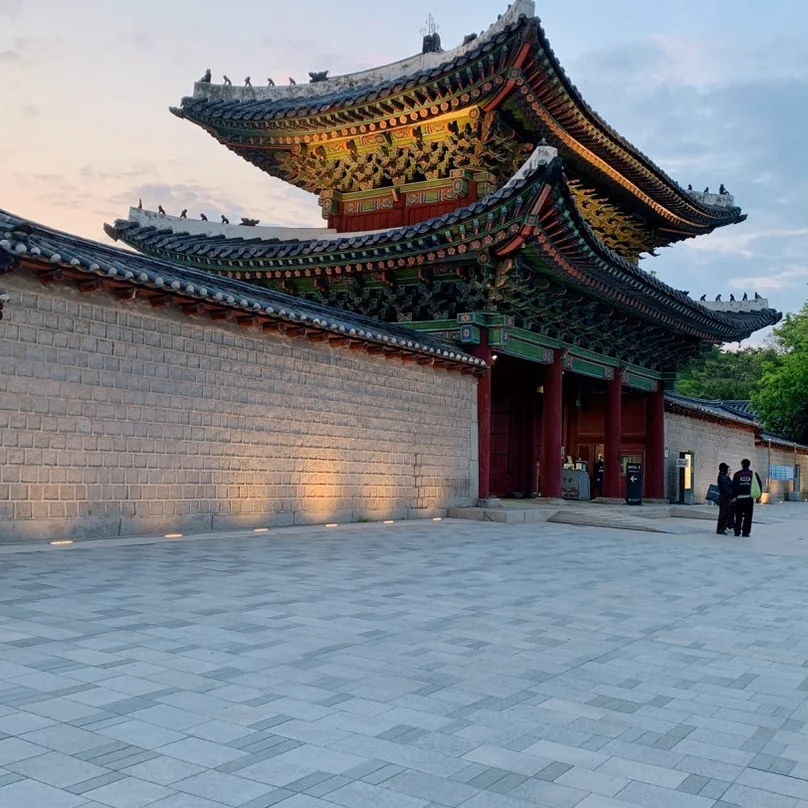
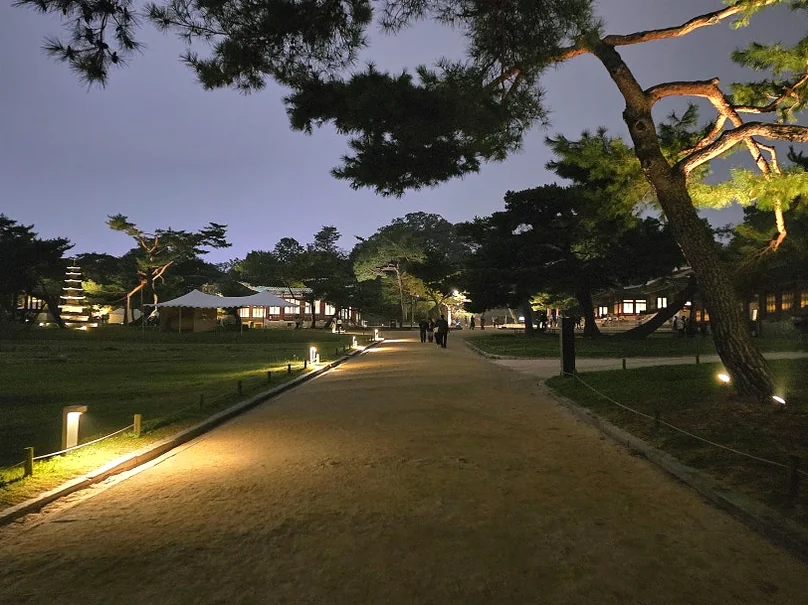
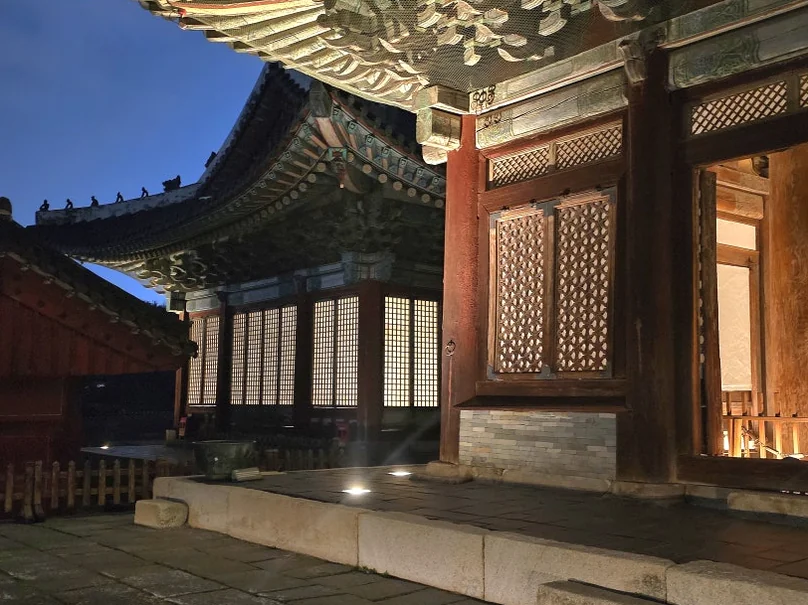
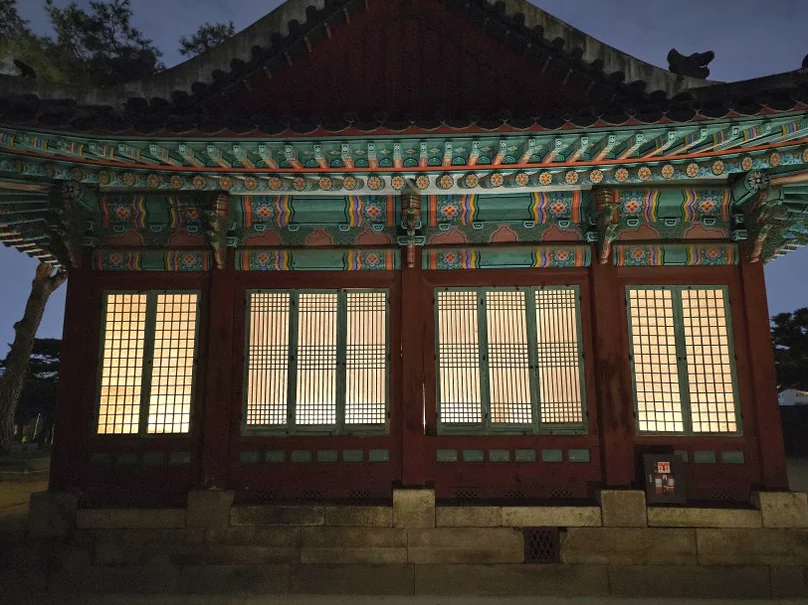
Changgyeonggung, historically a more intimate and residential palace, gains an entirely new dimension under the cloak of night. The subtle interplay of illumination accentuates the intricate 'Dancheong' patterns on the eaves, the texture of aged wooden structures, and the silent grandeur of stone pathways. This meticulously designed experience is a testament to the enduring allure of Korea's heritage, meticulously presented for the global connoisseur.
A Nocturne Unveiled: The Mulbit Yeonhwa Experience ✨
Seoul, a nexus of historical grandeur and avant-garde innovation, periodically unveils moments where these two realms coalesce with breathtaking grace. The Changgyeonggung Palace Mulbit Yeonhwa, or Water-Light Lotus, represents such a convergence, an essential cultural immersion for the discerning visitor. This captivating media art exhibition, set against the venerable architecture of Changgyeonggung Palace in Jongno-gu, transforms the night into a canvas for a compelling narrative.
The very essence of this ephemeral encounter lies in its curated focus: the signature Mulbit Yeonhwa at Chundangji Pond, complemented by the resplendent illumination of the historic palace architecture and the ethereal glow emanating from the Grand Greenhouse, Daeonshil. The nocturnal operation unfolds from 19:00 to 20:40 daily between April 24th and May 3rd, 2026, with final admittance at 20:00. The primary spectacle, the main light show, mesmerizes from 20:00 to 20:37, a precise temporal window for a truly transformative experience.
The Heart of the Spectacle: Chundangji Pond's Luminous Narrative
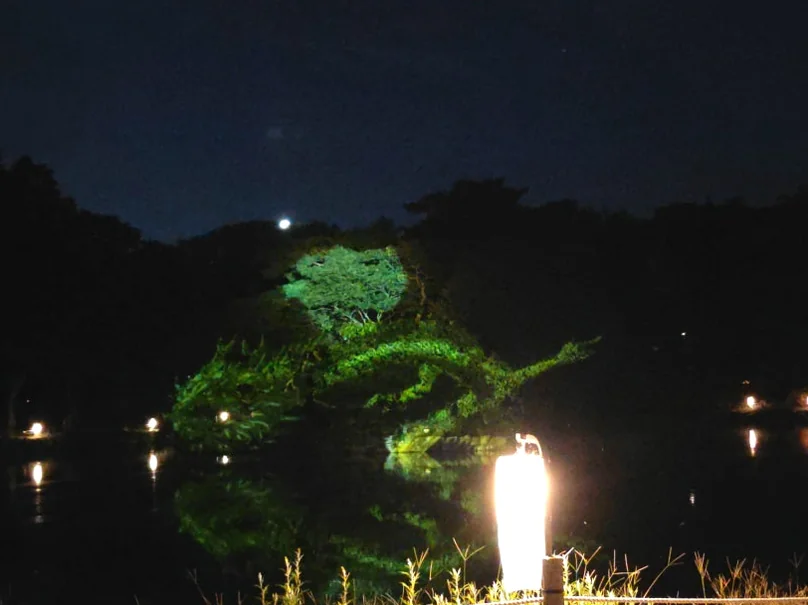
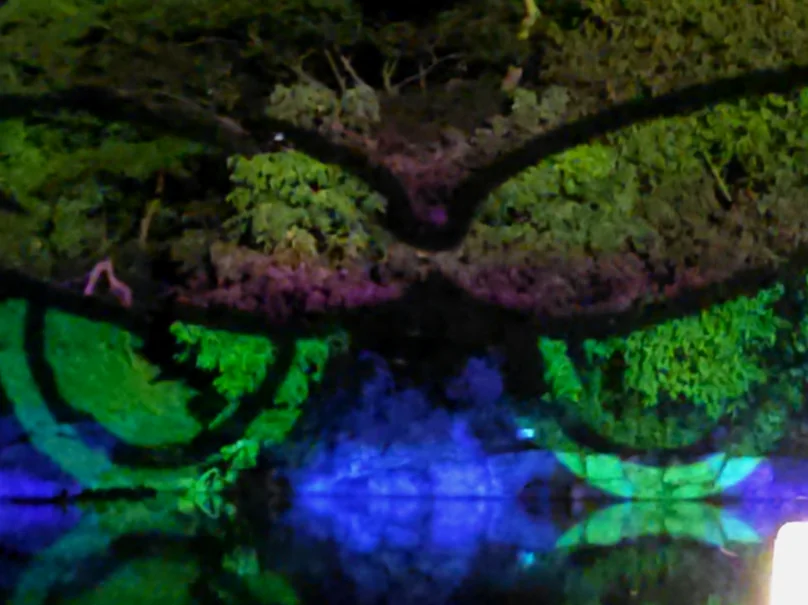
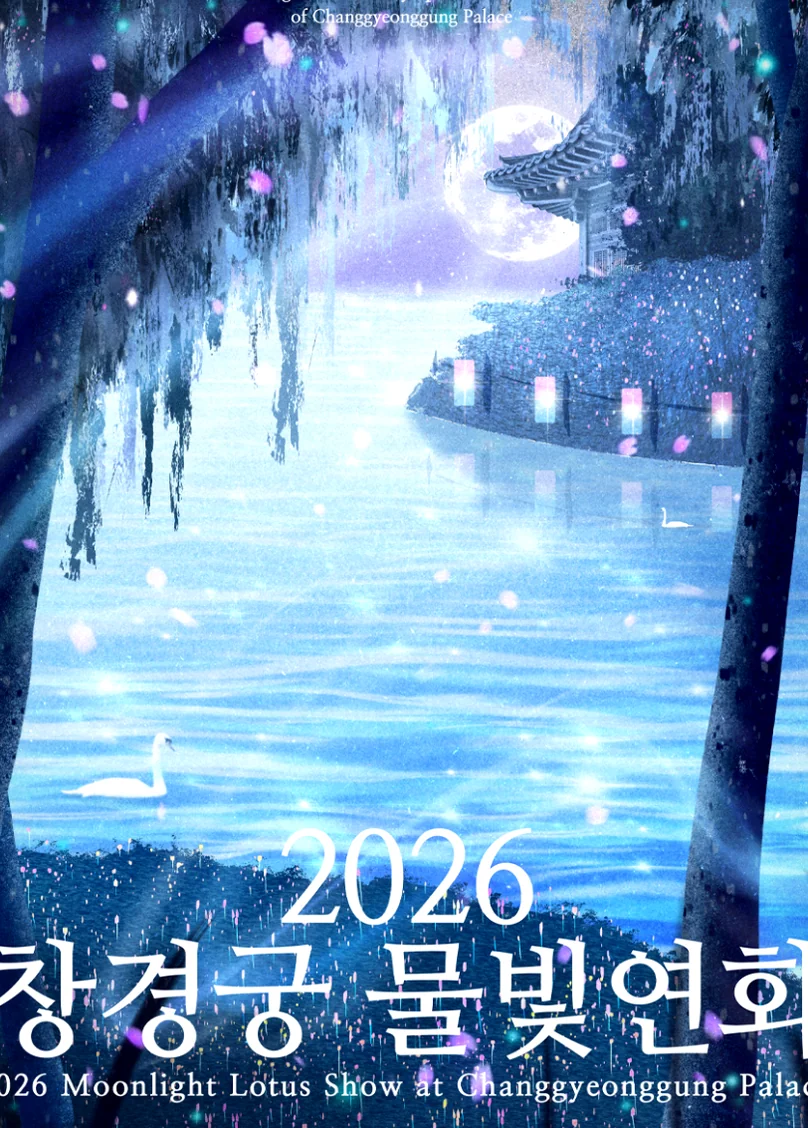
The centerpiece of this exclusive nocturnal experience is undoubtedly the Mulbit Yeonhwa, a media art installation that transforms Chundangji Pond into a living canvas. This year's full exhibition runs for merely ten days, making its presence all the more coveted. The program, lasting approximately 17 minutes, repeatedly plays between 20:00 and 20:37, allowing visitors multiple opportunities to witness its magic once inside. To fully appreciate its profundity, strategize your arrival by 19:30. This temporal foresight allows for a tranquil entry, a leisurely progression toward Chundangji Pond, and the acquisition of an optimal vantage point as twilight deepens and the light show commences. Remaining for two cycles of the 17-minute spectacle can reveal nuances that deepen the aesthetic pleasure.
The exhibition is structured around eight distinct themes, each a luminous chapter in Changgyeonggung's narrative. From 'The Stream of Dialogue' at the entrance to the climactic 'Water-Light Lotus' at Chundangji Pond, the progression is a graceful dance of visual and auditory artistry. It's a rare chance to see specific segments, like the second and fifth scenes, which are exclusively presented during this full exhibition period. The experience is not merely visual; it is an evocation, a silent dialogue between the ancient stones and contemporary light, offering profound aesthetic pleasure and quiet contemplation.
Passage to Grandeur: Navigating Your Nocturnal Sojourn 🎟️
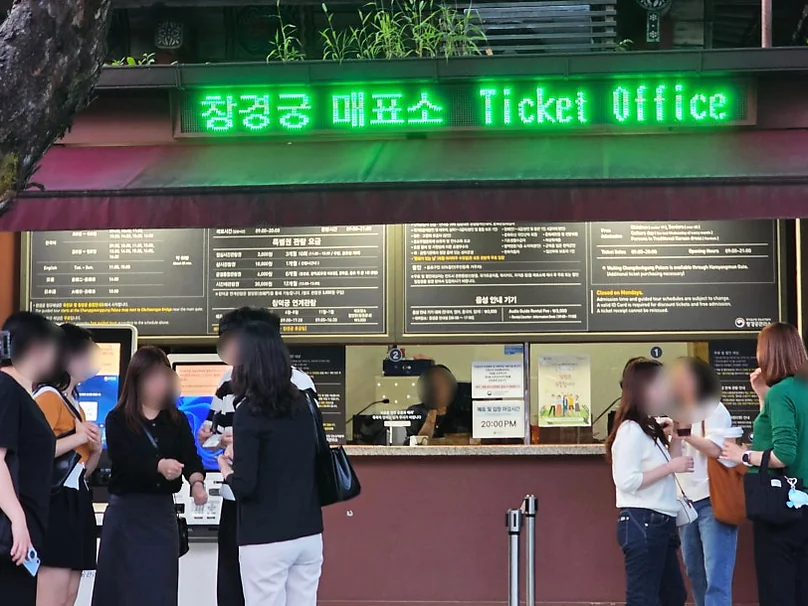
Dispelling a common misconception, the 2026 Changgyeonggung Mulbit Yeonhwa does not necessitate any prior online reservation, a refreshing departure from the often competitive acquisition of access for other cultural events. Passage is acquired with serene simplicity: procure your entry at the Honghwamun Gate ticket office. The admission fee, a symbolic KRW 1,000 for adults, offers exceptional value, granting access to an entire evening of immersive heritage and contemporary art. Furthermore, complimentary access is extended to those aged 24 and under, individuals aged 65 and over, national merit recipients, those with disabilities, and visitors attired in traditional Hanbok. Even families holding multi-child cards are accorded entry without charge. For enhanced efficiency at the point of entry, particularly as the 20:00 cutoff approaches, the utilization of a transportation card is highly recommended to circumvent potential queues.
A Stroll Through Dynastic Grandeur: Illuminated Points of Interest 🌿
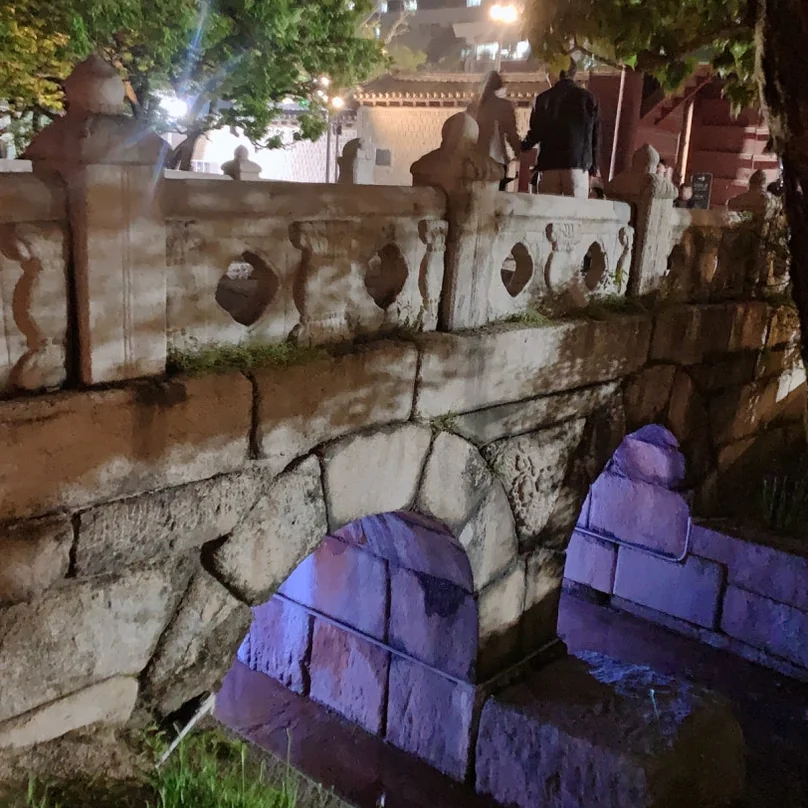
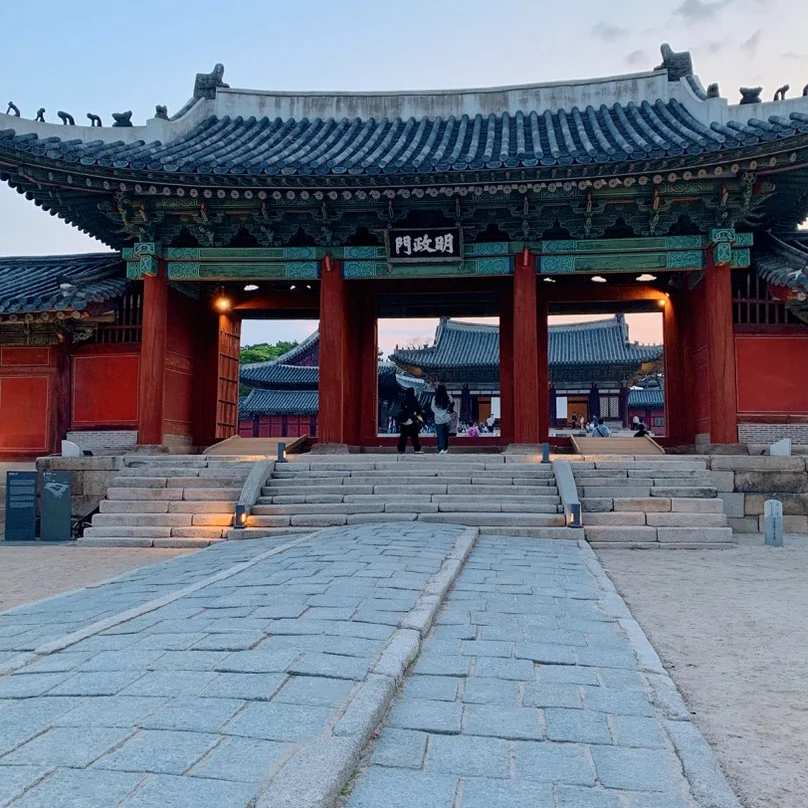
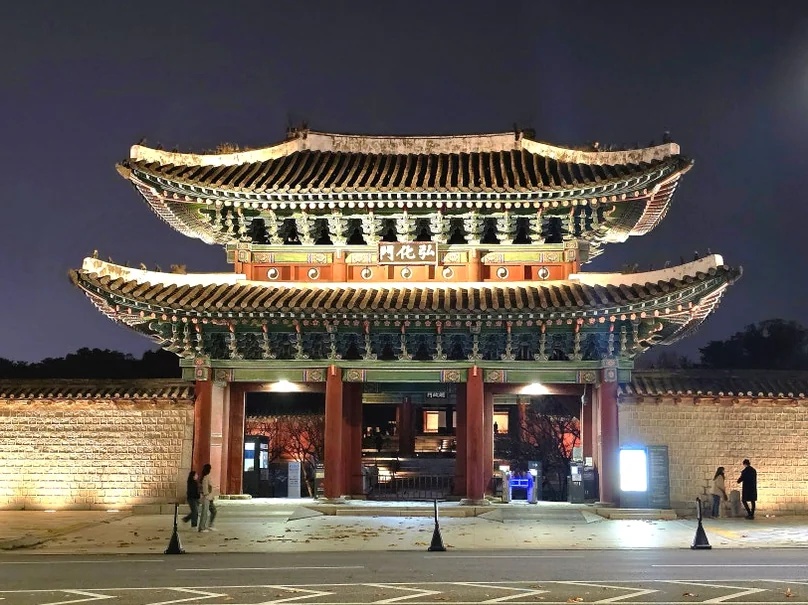
Your journey commences at Honghwamun Gate, leading you across the ancient Okcheongyo Bridge, adorned with protective goblin masks carved into its arches. This bridge, where the auspicious water from Eungbongsan flows, is the first threshold into a realm steeped in history.
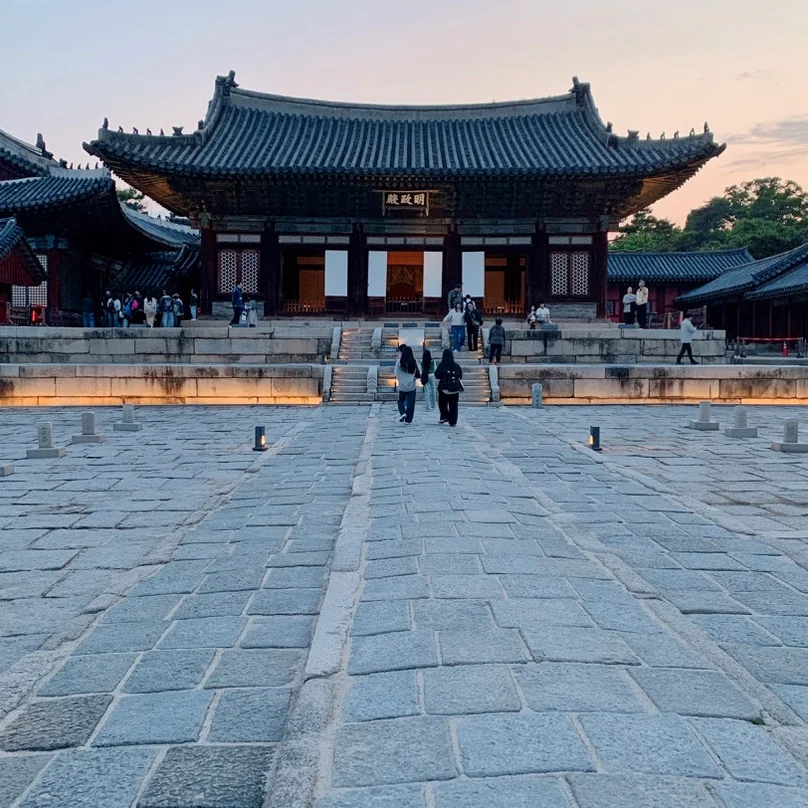
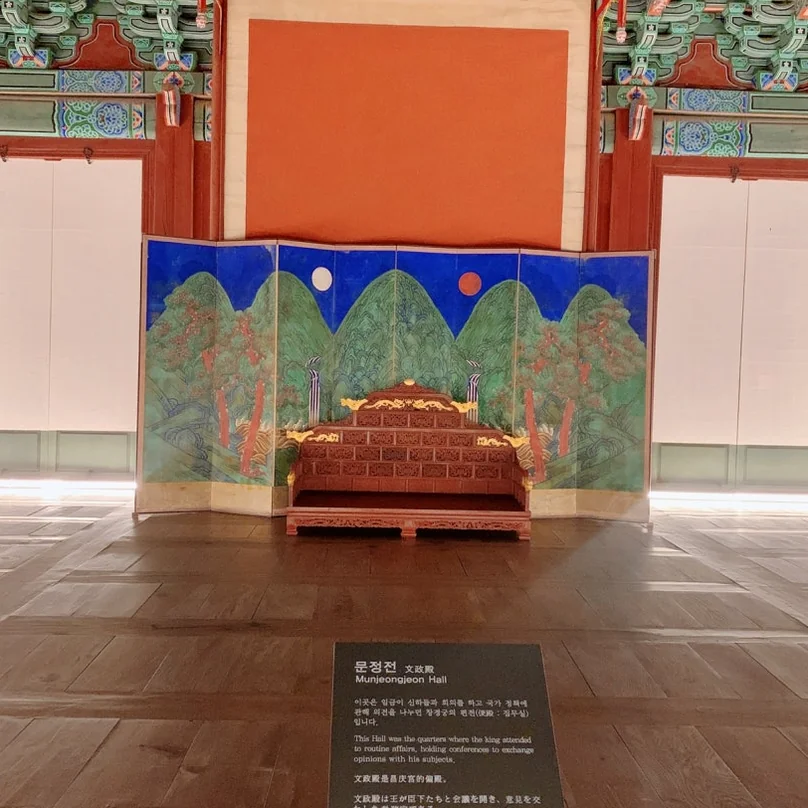
Proceeding to Myeongjeongjeon, the palace's main hall and the oldest surviving royal audience chamber in Korea, one can almost hear the echoes of enthronement ceremonies and royal banquets. Its robust structure, rebuilt in 1616 after the Imjin War, exudes an understated majesty. Nearby, Munjeongjeon, once the king's private office, carries a poignant historical weight as the site of the tragic Imjinwaebyeon incident involving Crown Prince Sado.
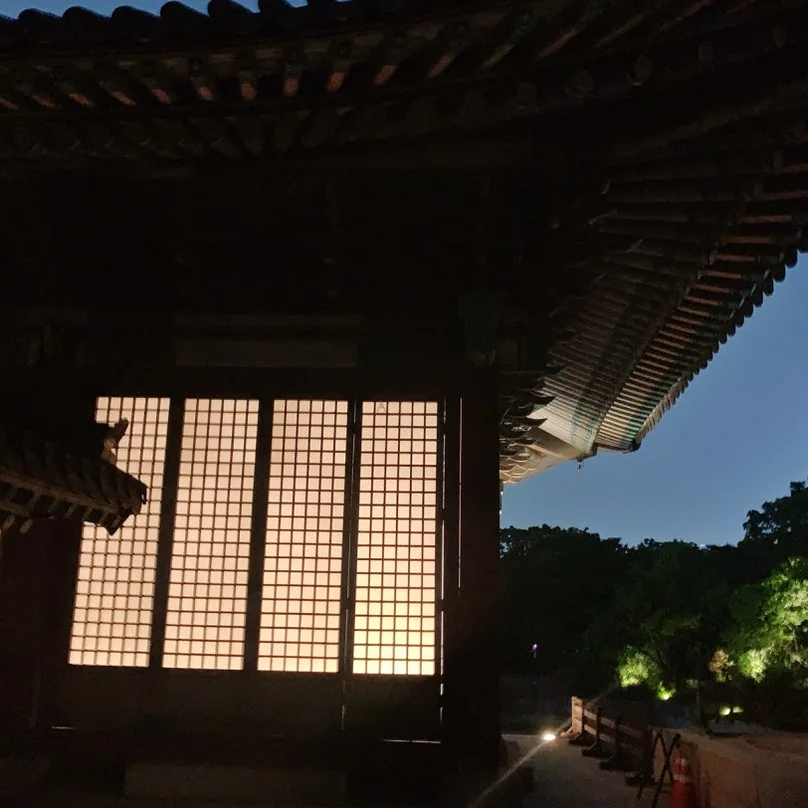
Beyond these ceremonial halls, the palace unfolds into more intimate residential quarters such as Tongmyeongjeon and Hamninjeong, each with its own storied past of royal lives and dramatic intrigues. The deliberate illumination here emphasizes the architectural details and the intricate 'Changhoji' paper windows, through which a soft, warm light emanates, hinting at lives lived within.
The Grand Greenhouse (Daeonshil): A Jewel in the Dark 💎
A true architectural gem not to be overlooked is the Grand Greenhouse (Daeonshil). Completed in 1909, this is Korea's first Western-style greenhouse. Its elegant white steel framework and glass panels, subtly lit at night, create an illusion of a European garden structure nestled within a traditional Korean palace. While its origins are tied to a painful colonial history, its current presentation as a 'Crystal Palace' is undeniably breathtaking, reflecting the resilience and transformative spirit of the site.
The area surrounding Daeonshil, especially with blue light projections on the ground during Mulbit Yeonhwa, offers exceptional photographic opportunities. It is recommended to strategically plan your arrival, perhaps around 19:30, to witness the exquisite transformation from twilight to full darkness, as the light installations achieve their most ethereal quality during this golden hour of nightfall.
Considerations for the Discerning Visitor 🚶♀️
For those intent on experiencing this cultural phenomenon, thoughtful preparation enhances the journey. The optimal window for arrival spans from 19:00 to 19:30, allowing for a unhurried entry and the securing of prime viewing locations before the main spectacle commences. Regarding transit, reliance on public transportation is highly advised. Hyehwa Station (Line 4, Exit 4) provides a convenient 10-minute stroll, while Anguk Station (Line 3, Exit 3) or Jongno 3-ga Station (Lines 1, 3, 5) also present viable options. Furthermore, bus stops for Seoul National University Hospital are situated directly opposite the palace's main gate. Changgyeonggung Palace, befitting its historical status, does not offer dedicated visitor parking; while nearby alternatives exist at Seoul National University Hospital or Wonsupark Public Parking, congestion is often a reality, reinforcing the wisdom of public transit.
Regarding personal comfort, the undulating stone pathways necessitate comfortable walking shoes. Even in spring, evening temperatures can descend significantly, thus a light jacket or cardigan is an indispensable accessory. Meteorological factors warrant consideration: in the event of substantial rainfall (exceeding 3mm), certain outdoor media art installations, particularly those at Chundangji Pond, may be scaled down or, in rare instances, suspended. It is prudent to consult official communiques on the day of your planned visit for any pertinent updates.
Culinary indulgences are thoughtfully restricted within the palace grounds, save for plain water, to preserve the sanctity of the historical site. It is advisable to partake in dinner either prior to or following your immersion, with the vibrant Daehangno area near Hyehwa Station offering a diverse array of esteemed dining establishments, perfect for concluding a quintessential Seoul spring night.
A Director's Final Reflection
The Changgyeonggung Palace Mulbit Yeonhwa night opening offers an unparalleled opportunity to experience Korean heritage through a contemporary lens. It is an experience that transcends mere sightseeing, offering moments of profound aesthetic pleasure and quiet contemplation. The blend of centuries-old architecture with modern light artistry provides a deeply evocative atmosphere, far removed from the bustling energy of the city. This event is not merely about viewing, but about feeling the pulse of history illuminated by innovation—a narrative in light that underscores Seoul's enduring capacity to honor its past while continually redefining its cultural future.
📅 Local Weather Guide
Seoul Weather🌐 Read this post in other languages:
• 🇯🇵 日本語版 (Japanese Version)
Join the conversation