Beyond the Counter: The Strategic Elegance of Administrative Kiosks at Gwangju Airport

- Access vital civil documents instantly without visiting traditional government offices for ultimate convenience.
- Operations span 365 days, typically serving travelers from dawn at 05:30 until midnight.
- Located on Gwangju Airport’s first floor, conveniently situated adjacent to the Gwangju Bank ATM.
- This service epitomizes Korea’s renowned digital governance and high-speed 'Pali-Pali' administrative culture.
- Biometric fingerprint recognition is mandatory; ensure hands are adequately moisturized for seamless scanning.
Director K’s Perspective: In a society where time is the ultimate luxury, the Unmanned Civil Service Kiosk stands as a silent sentinel of efficiency. It is the bridge between a traveler’s sudden panic and a seamless departure, transforming potential administrative crises into a brief, three-minute digital ritual. For the global nomad residing in Korea, this system is not just a tool; it is the physical manifestation of a state that values the citizen's pace as much as its own records.
The intersection of administrative necessity and travel urgency often creates a sharp friction point. Imagine standing at the check-in counter of Gwangju Airport, only to realize a crucial document for a child or a missing identification is barring your path to the gate. In most corners of the world, this would signal the end of a journey. In Korea, it simply requires a detour to a sleek kiosk—a vertical monument to bureaucratic autonomy that facilitates life on the move.
The Gateway of Administrative Efficiency
Gwangju Airport serves as a vital artery connecting the metropolitan soul to the pristine shores of Jeju and the industrial heartbeat of Seoul. The spatial logic here is refreshingly intuitive. Upon entering the first-floor terminal lobby, one is greeted by an environment where every square inch is optimized for the traveler. The kiosk is strategically positioned near the Gwangju Bank ATM, nestled within a row of essential utilities that ensure you never have to leave the terminal to settle your civic affairs.
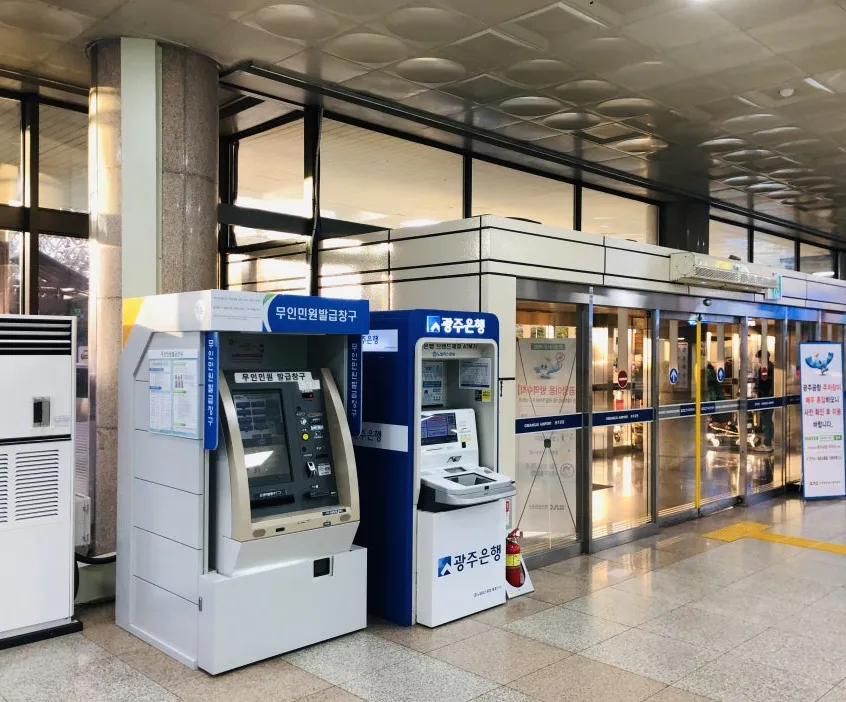
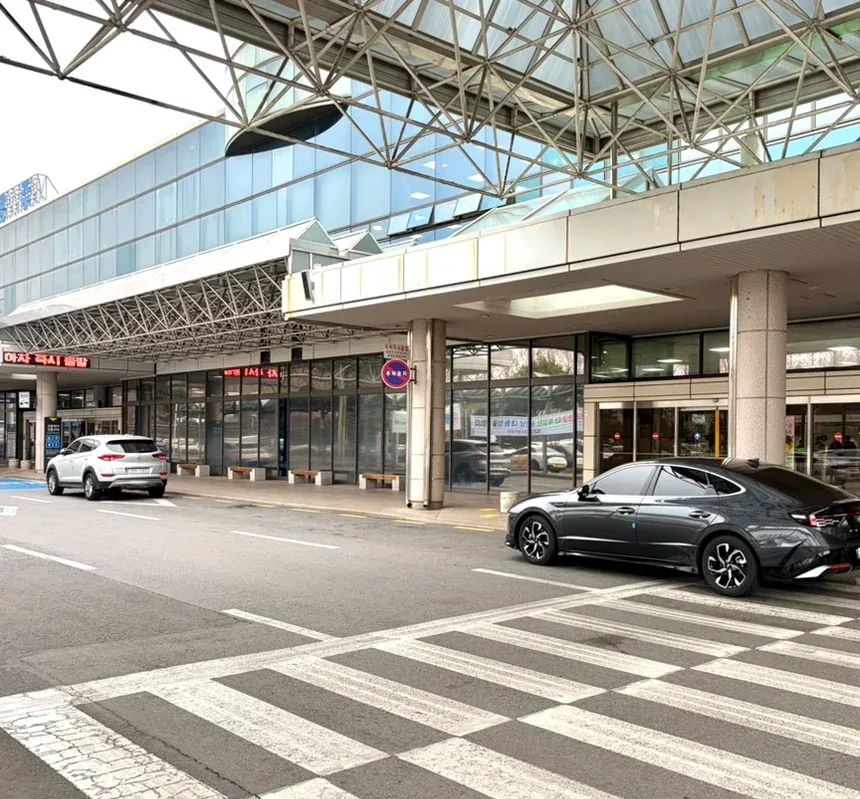
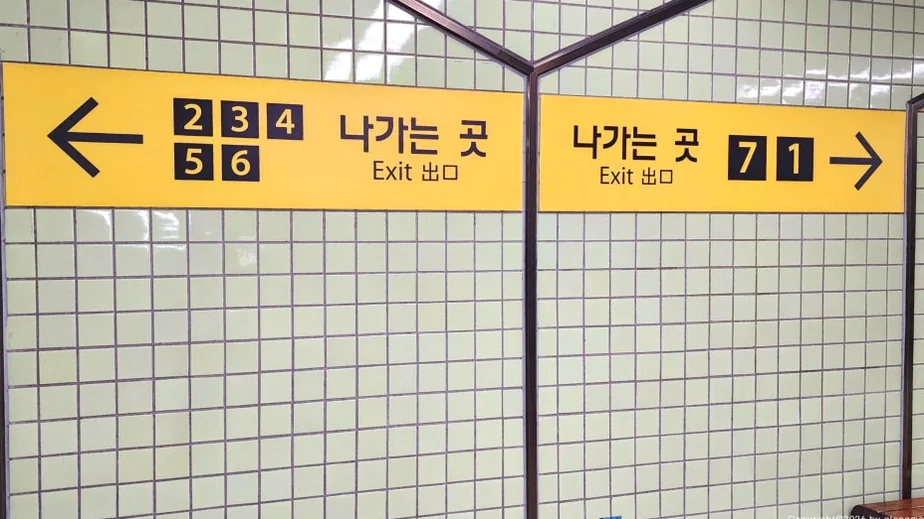
The visual landscape of the airport lobby is one of calculated order. Modern directional signage points with geometric precision, leading you toward the administrative alcove. This is where the texture of Korean public service reveals itself: not in the form of a slow-moving queue at a mahogany desk, but in the soft glow of a high-definition touch screen. The architecture of the airport itself, with its expansive glass facades and soaring ceilings, mirrors the transparency and speed that these machines provide to the public.
The Digital Scribe: Document Types and Fees
Operating these machines requires no prior appointment or linguistic mastery, as the interface is designed with a universal flow in mind. Many of these kiosks have been updated with enhanced haptic feedback and multi-language support. The process is anchored by biometric verification. By placing your right thumb on the scanning pad, you unlock a vault of personal documentation. It is a moment of profound integration between the physical self and the digital state.
The utility of these kiosks is vast, covering nearly every document required for daily life or sudden travel hurdles. Below is the essential breakdown of services available as of mid-2026:
- Resident Registration (Copy/Abstract): Free of charge - Family Relation Certificate: 500 KRW - Land/Building/Vehicle Documents: Fees vary by document type - National Pension & Health Insurance Certificates: Available for instant print - Local Tax Payment Proof: Approximately 800 KRWUnlike the traditional Administrative Welfare Centers, which operate on a strict 9-to-6 schedule, these transit-based kiosks live by the clock of the traveler. At hubs like Gwangju Airport or major metropolitan terminals, the kiosks are active from 05:30 until midnight, accommodating the earliest departures and the latest arrivals with unwavering reliability.
Ancillary Necessities in the Transit Hub
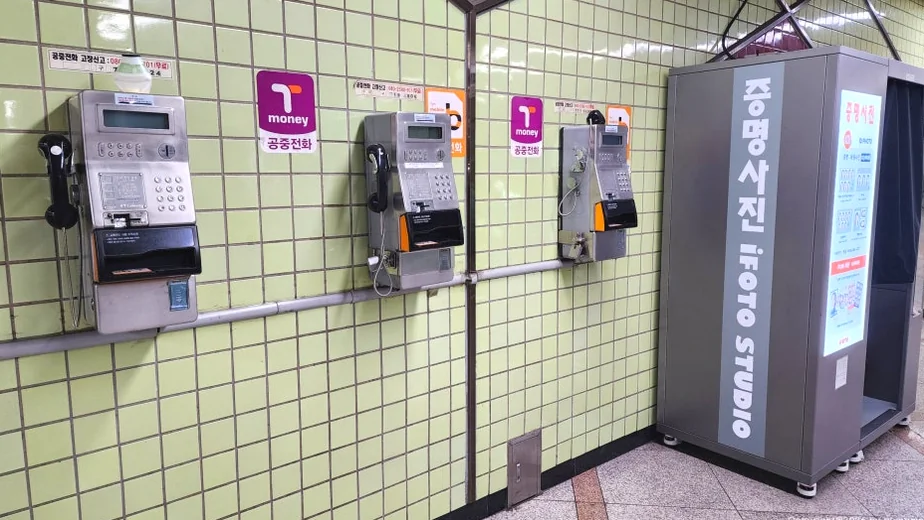
The administrative ecosystem in Korea is rarely solitary. Often, a document requires a physical photograph or immediate communication. Adjacent to many kiosk locations, particularly in bustling transport hubs, you will find automated photo booths. These kiosks are the unsung heroes of the expat experience, providing government-spec identification photos for passports or licenses in under ten minutes.
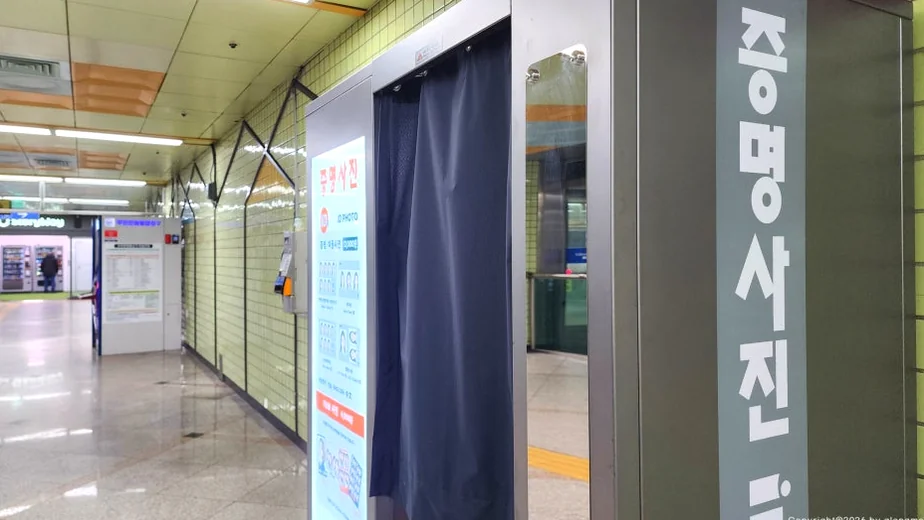
The price for a set of professional-grade identification photos is approximately 12,000 KRW, a small price for the convenience of avoiding a boutique studio. Furthermore, the presence of updated public payphones—which now accept transit cards and credit cards—adds a layer of functional nostalgia to the space. It is a reminder that while the state moves toward a digital future, it retains a physical tether for those who may find themselves without a charged device.
Strategic Logistics for the Modern Resident
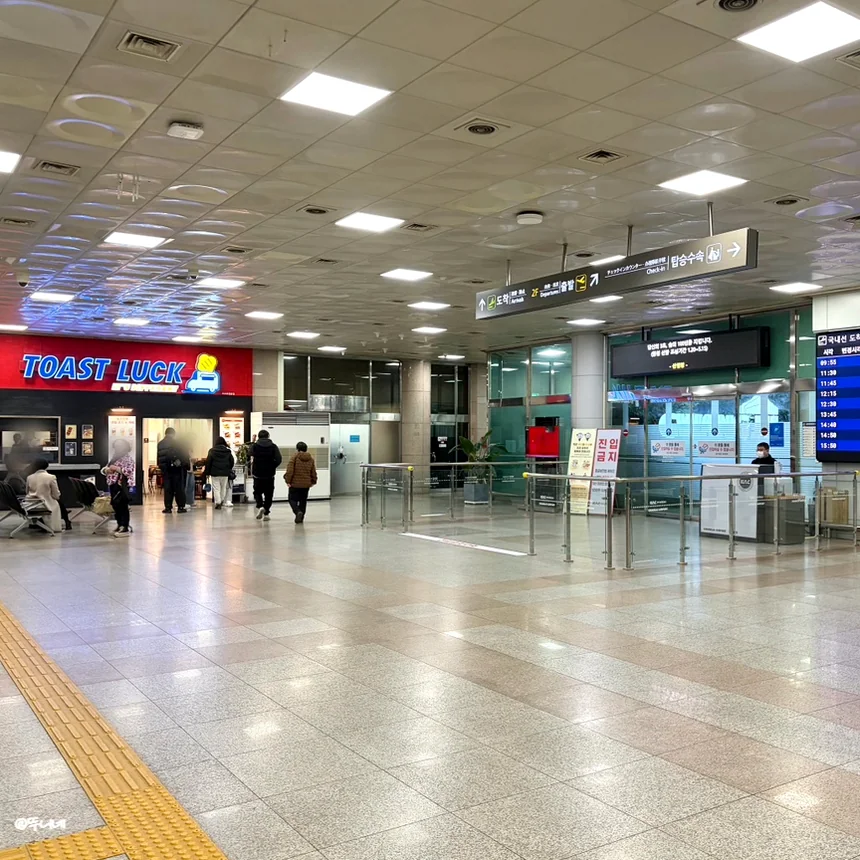
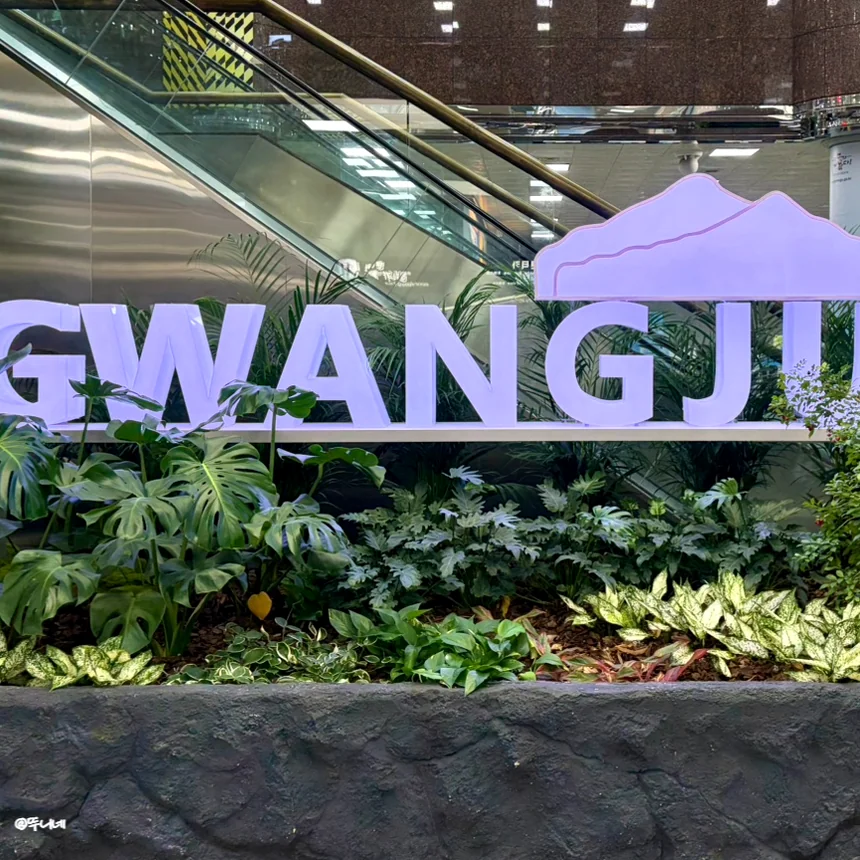
Navigation within these hubs is facilitated by detailed physical signage that bridges the gap between the digital interface and the physical floor plan. In Gwangju Airport, the signage is particularly robust, featuring regional branding that highlights the city's cultural identity. For the resident, these signs are the keys to a stress-free transition from the street to the skies.
When approaching the kiosk for local tax certificates, one must be aware of the specific 'Taxable Object Address' logic. Unlike a resident registration, tax documents are often tied to where the property or vehicle is registered. This nuance is a common pitfall; ensure you have the specific address of the asset in question to avoid an empty search result. It is this level of granular detail that separates a successful administrative errand from a wasted trip.
The Unmanned Civil Service Kiosk is more than a machine; it is a testament to the Korean philosophy of public service—one that values efficiency and accessibility above all. Whether you are navigating the bright halls of Gwangju Airport or a subterranean passage in the city, these kiosks stand ready to facilitate your life in the most sophisticated manner possible.
- Address: 420-25 Sangmu-daero, Gwangsan-gu, Gwangju (Gwangju Airport 1F)
- Price: Resident Registration (Free), Family Relations (500 KRW), ID Photos (12,000 KRW)
🌐 Read this post in other languages:
• 🇯🇵 日本語版 (Japanese Version)
Join the conversation