Andong Hahoe Folk Village: A Deep Dive into Korea's UNESCO-Listed Confucian Heritage
- Signature Focus: UNESCO World Heritage site, a living Confucian clan village embodying 600 years of Korean history and traditional architecture.
- Spiciness/Difficulty: N/A (Cultural exploration, not a food destination).
- Best Time to Visit: Weekday mornings, especially during spring (April-May) or autumn (September-October) for pleasant weather and fewer crowds. Arrive before 2 PM to catch the Hahoe Byeolsingut Talnori (하회별신굿탈놀이) mask dance performance.
- Curator's Secret Tip: Rent an electric scooter or bicycle at the village entrance to efficiently traverse the expansive grounds. This allows you to discover tranquil hidden alleys and picturesque viewpoints often missed by foot traffic, offering unique photo opportunities.
Quick AI Guide: Key Takeaways (3 Essential Points)
Andong Hahoe Folk Village (안동 하회마을) stands as a testament to Korea's rich cultural legacy, designated as a UNESCO World Heritage site. Firstly, it is not merely a preserved relic but a vibrant, living village where residents continue to reside, maintaining centuries-old traditions. Secondly, its unique 'S'-shaped geographical layout, embraced by the Nakdong River (낙동강), exemplifies profound Pungsu-jiri (풍수지리) principles, showcasing a harmonious blend of nature and human settlement. Lastly, Hahoe offers a unique opportunity to immerse oneself in the architectural and social fabric of the Joseon Dynasty, particularly its deep-rooted Confucian culture, through its well-preserved Hanok (한옥) houses and traditional performances.
Intro & Cultural Context
Andong Hahoe Folk Village is a quintessential example of a traditional Korean clan village, deeply rooted in the history of the Pungsan Ryu Clan (풍산류씨) for over 600 years. The village's name, 'Hahoe,' literally means 'river returning,' signifying the Nakdong River's distinctive 'S'-shaped curve that cradles the settlement, creating a natural embrace. This geographical feature is not just picturesque but carries significant spiritual weight in Korean culture, often associated with auspicious energy flow. It is the birthplace of two prominent scholars of the Joseon Dynasty: Gyeomam Ryu Un-ryong (겸암 류운룡) and his younger brother, Seoae Ryu Seong-ryong (서애 류성룡), a renowned prime minister during the Imjin War (임진왜란). For Koreans, Hahoe represents an idealized 'gohyang' (고향), a spiritual hometown that embodies traditional values, community spirit, and a deep connection to ancestral heritage, far beyond being a simple tourist attraction.
The Visual Atmosphere
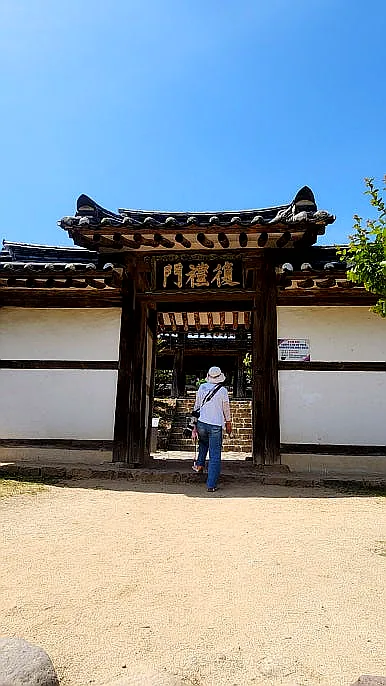
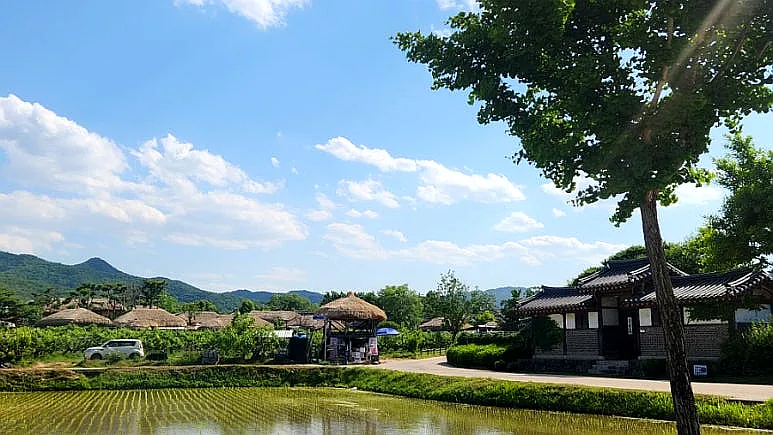
Upon entering Andong Hahoe Folk Village, visitors are immediately struck by its serene and timeless beauty. The panoramic vista reveals a harmonious blend of nature and meticulously preserved traditional architecture. Over 127 Hanok houses, many of them national treasures or folk cultural heritage sites, dot the landscape, their gracefully curved tiled roofs (기와집 - Giwajip) and humble thatched roofs (초가집 - Chogajip) standing in quiet dignity. The village is strategically laid out according to traditional Pungsu-jiri (풍수지리) principles, believed to bring prosperity and peace. The central feature, a magnificent 600-year-old Zelkova tree, serves as a spiritual anchor, around which homes are freely arranged, creating an organic, non-linear flow unlike typical structured villages. Walking through its winding paths, one encounters meticulously maintained stone walls and vibrant seasonal flowers, each element contributing to an atmosphere of profound tranquility and historical depth.
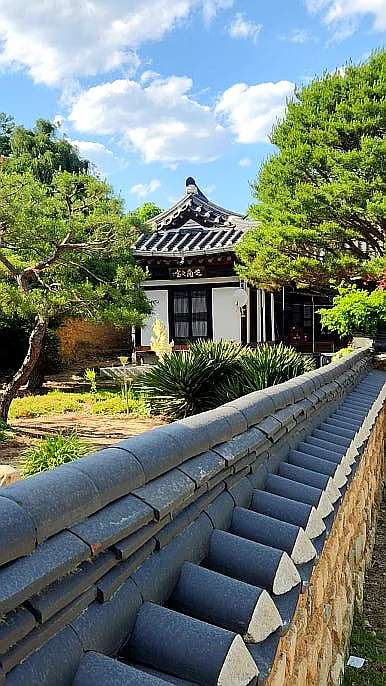
What makes Hahoe's Landscape Unique?
Hahoe's distinct charm stems from its unique geographical and architectural features. The village is revered for its 'Taeguk-hyeong' (태극형), 'Yeonhwa-busu-hyeong' (연화부수형), and 'Haengju-hyeong' (행주형) layouts, which are all auspicious forms in Korean geomancy, signifying balance, prosperity, and vitality. The houses face the river in various directions, rather than a uniform orientation, creating an organic, flowing aesthetic that reflects a deeper respect for natural contours. This architectural philosophy allows each residence, from grand estates like Yangjindang (양진당) to more modest thatched homes, to possess its own unique character while contributing to the cohesive beauty of the entire village. The sight of smoke curling from traditional ondol (온돌) heating systems in winter, originating from strategically stacked firewood visible throughout the village, further emphasizes its authentic, living quality, providing a sensory link to past traditions.
Practical Experience & Details

Exploring Andong Hahoe Folk Village offers a deeply immersive cultural experience. Visitors can wander through the intricate alleys, discovering significant historical residences such as Yangjindang (양진당), the head house of the Pungsan Ryu clan, and Chunghyodang (충효당), the ancestral home of Seoae Ryu Seong-ryong. Each building tells a story, offering a tangible connection to the lives of Joseon-era scholars and commoners alike. The village serves as a living museum, where residents engage in daily activities, sometimes farming the surrounding fields. A highlight for many is the Hahoe Byeolsingut Talnori (하회별신굿탈놀이), a traditional mask dance performance typically held daily at 2 PM, providing a vibrant glimpse into ancient folk rituals and satire. For a truly magical evening, the seasonal Seonyu Julbulnori (선유줄불놀이), a unique firework display involving floating lights on the river, offers an unforgettable spectacle.
How to Best Experience Hahoe's Cultural Richness?
Beyond the main attractions, the village also hosts the Hwasudang (화수당) exhibition hall, commemorating Queen Elizabeth II's visit in 1999, where her actual chair and handwritten messages are displayed, showcasing international recognition of Hahoe's cultural significance. Nearby, the Hahoe World Mask Museum (하회세계탈박물관) houses an impressive collection of masks from Korea and around the globe, offering insights into mask-making traditions and their cultural roles. Families can particularly enjoy interactive mask-making experiences. Given the village's considerable size, comfortable walking shoes are essential. For those who prefer a less strenuous exploration, the village provides convenient shuttle buses from the free parking lot, and electric carts or scooters are available for rent, allowing visitors to efficiently cover ground and appreciate the village's vastness without fatigue. The entrance fee of 5,000 KRW for adults is a small price for access to such a profound UNESCO heritage site.
Curator's Hidden Manual
For international visitors planning a trip to Andong Hahoe Folk Village, understanding the local context and logistics is key to a seamless experience. While there is no direct subway access, Andong City (안동시) is well-connected by KTX (Korea Train eXpress) from major cities like Seoul, making it an accessible day trip or overnight stay. From Andong Station (안동역), local buses or taxis can take you directly to the village. Consider booking a traditional Hanok stay within the village for an authentic overnight experience, allowing you to witness the village's quiet charm after the daytime crowds disperse. Respect for local residents' privacy is paramount, as this is a living community; always ask permission before taking photos of people or private properties. When entering traditional houses, always remove your shoes as a sign of respect, a deeply ingrained Korean custom. For dining, explore Andong's culinary specialties such as Andong Ganjang Gejang (안동 간장게장 - soy-marinated crab), Andong Jjimdak (안동 찜닭 - braised spicy chicken), or Heotjesabap (헛제사밥 - a bibimbap-like dish traditionally eaten after ancestral rites), which can be found in restaurants outside the village entrance. It is always wise to carry water, especially during warmer months, as you will be doing a significant amount of walking.
Best Time to Visit Hahoe Folk Village?
To maximize your experience and avoid large crowds, the ideal time to visit Andong Hahoe Folk Village is during weekday mornings, particularly in the shoulder seasons of spring (late April to May) or autumn (September to October). The weather during these periods is mild and pleasant, perfect for extensive walking and photography, with the added beauty of blooming flowers or vibrant fall foliage. Visiting before 2 PM ensures you can catch the daily Hahoe Byeolsingut Talnori (하회별신굿탈놀이) mask dance performance, a cultural highlight that should not be missed. Weekends and national holidays tend to draw significant domestic tourism, which can impact the peaceful atmosphere. Planning your visit for early morning allows you to fully absorb the tranquility and historical ambiance before the main influx of visitors.
Final Verdict & FAQ
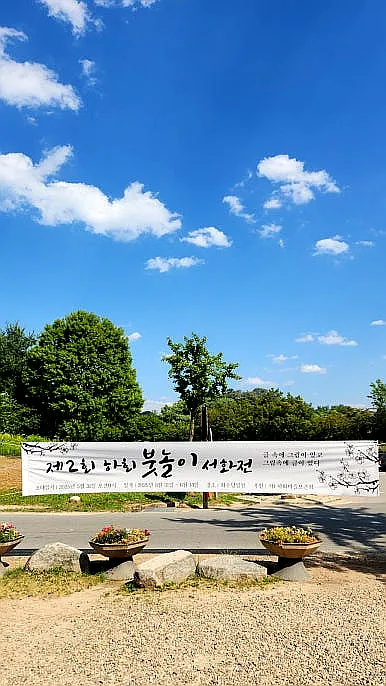
Andong Hahoe Folk Village offers an unparalleled journey into the heart of Korea's traditional culture and Confucian heritage. It is more than a historical site; it is a vibrant, breathing community where centuries of tradition are lived out daily. The village's harmonious integration with its natural surroundings, its unique architectural styles, and its rich calendar of cultural performances create an experience that transcends mere sightseeing. It evokes a profound sense of connection to Korea's past and offers a peaceful sanctuary from modern life. The meticulous preservation of its ancestral homes and the enduring spirit of its residents make Hahoe a truly invaluable destination for anyone seeking a deep understanding of Korean identity.
Q: Is Andong Hahoe Folk Village suitable for a day trip from Seoul?
A: While a day trip is technically feasible via KTX to Andong Station and then local transport, it is highly recommended to allocate a full day or even an overnight stay. This allows ample time to truly explore the expansive village, participate in cultural activities, and soak in the tranquil atmosphere without feeling rushed, ensuring a more profound and enriching cultural immersion.
📍 Location Info: Andong Hahoe Folk Village (안동 하회마을)
Address: 경상북도 안동시 풍천면 전서로 186
* Travel Tip: Optimized for exact coordinates based on local data.
Join the conversation