A Thousand Years of Stillness: Discovering the Sophisticated Serenity of Uirimji Reservoir in Jecheon
Quick Local Takeaways
| Feature | Details |
|---|---|
| Admission | Free Access |
| Key Landmark | Yongchu Falls (용추폭포) Glass Bridge |
| Peak Experience | Media Facade at the Artificial Waterfall (Seasonal hours) |
| Accessibility | Ample parking at the Museum and Parkland areas |
The global gaze often lingers on the neon-lit artifice of Seoul, yet the true connoisseur of the Korean spirit understands that heritage is best experienced where water meets silence. Jecheon remains an understated bastion of this quietude. Uirimji is not merely a destination; it is a thousand-year-old hydraulic narrative that continues to breathe. As a director who has witnessed the rapid evolution of K-culture, I find the enduring gravitas of this Samhan-era reservoir to be a necessary counterpoint to modern transience. It is a curated landscape where the air carries the weight of history and the scent of centuries-old pines.
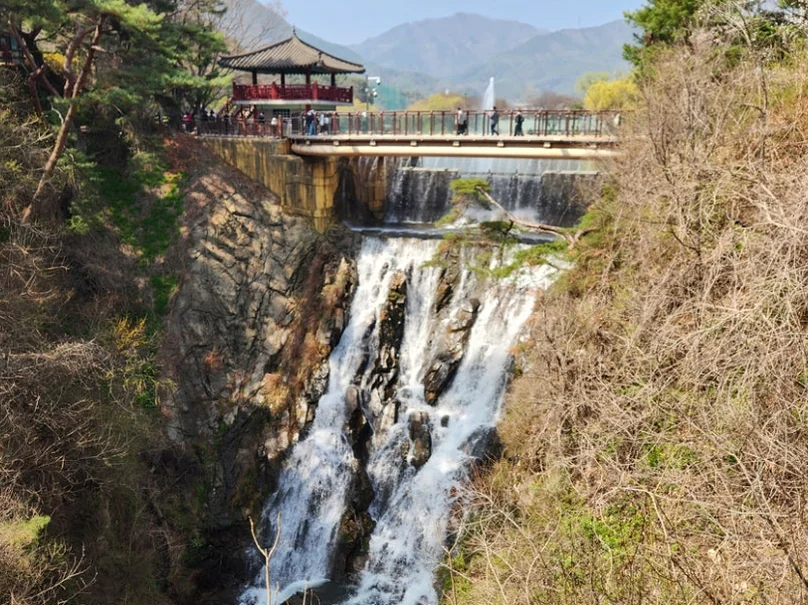
A living legacy echoing through ancient pine groves
To walk the perimeter of Uirimji is to engage in a dialogue with time. The Jelim pine grove, a curated collection of gnarled sentinels, frames the water with an aesthetic precision that mirrors an ink wash painting. This is the essence of go-jeok-ha-da—a profound, resonant stillness. The arched stone bridge does more than span a gap; it completes a visual symmetry that has grounded Korean scholars for generations. In the eyes of an editorial critic, this site represents the ultimate tangible legacy of a culture that prioritized harmony over dominance, allowing nature to dictate the rhythm of the architecture.
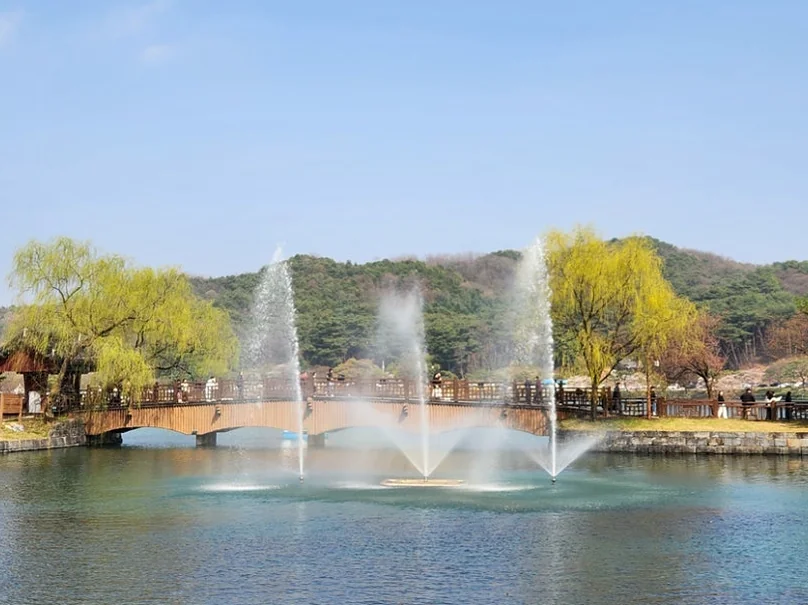
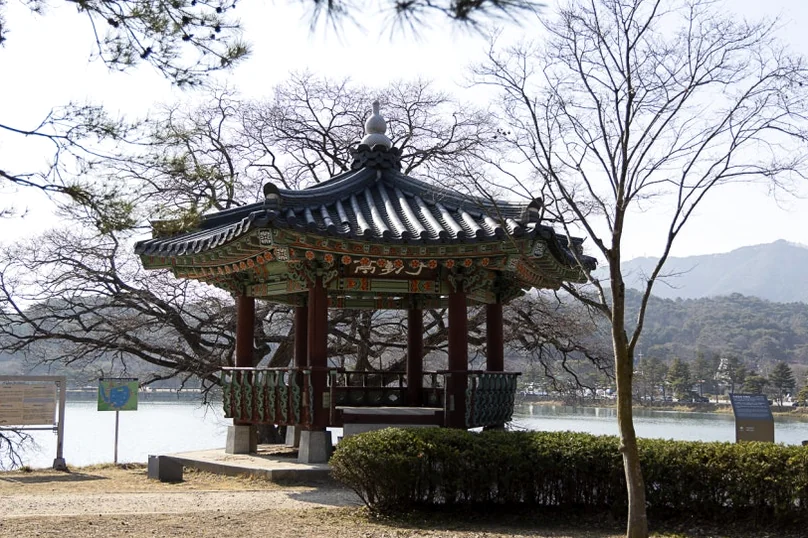
The Joseon-era pavilions, Gyeonghoru and Yeonghojeong, emerge from the foliage as exceptional examples of pung-ryu, the aristocratic art of refined leisure. These structures were never meant for mere utility; they were stages for poetry and deep contemplation. From these elevated vantage points, one observes the interplay between the weathered textures of ancient wood and the vibrant liquid expanse. It is a sophisticated continuity that defines the Jecheon experience, offering a sanctuary that feels remarkably intact despite the centuries that have flowed past its banks.
The thrill of the falls and the modern edge of magic glass
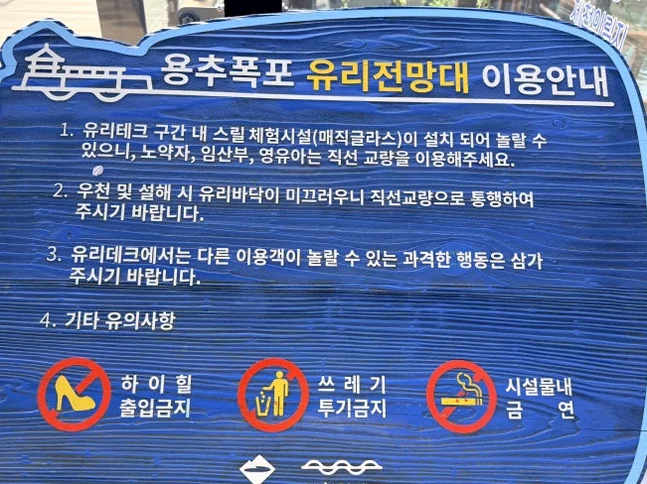
Modernity finds its place at Uirimji not through intrusion, but through a compelling technological unveiling at Yongchu Falls. The Glass Bridge is a masterclass in sensory immersion. Utilizing Magic Glass that transitions from opaque to transparent upon the detection of a footfall, the bridge forces a visceral confrontation with the thirty-meter drop beneath. This is where the tranquility of the reservoir meets the raw power of the falls. It is a moment of controlled adrenaline, a contemporary intervention that heightens the observer's awareness of the elemental forces at play.
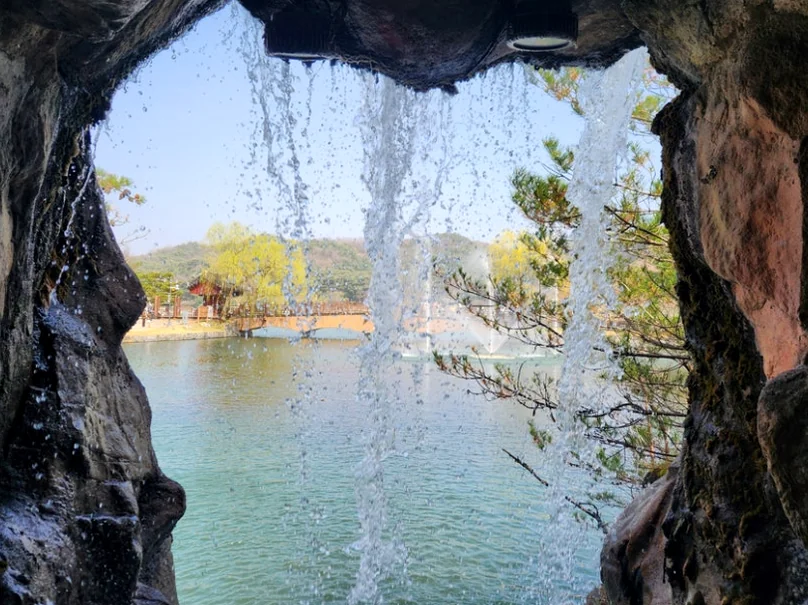
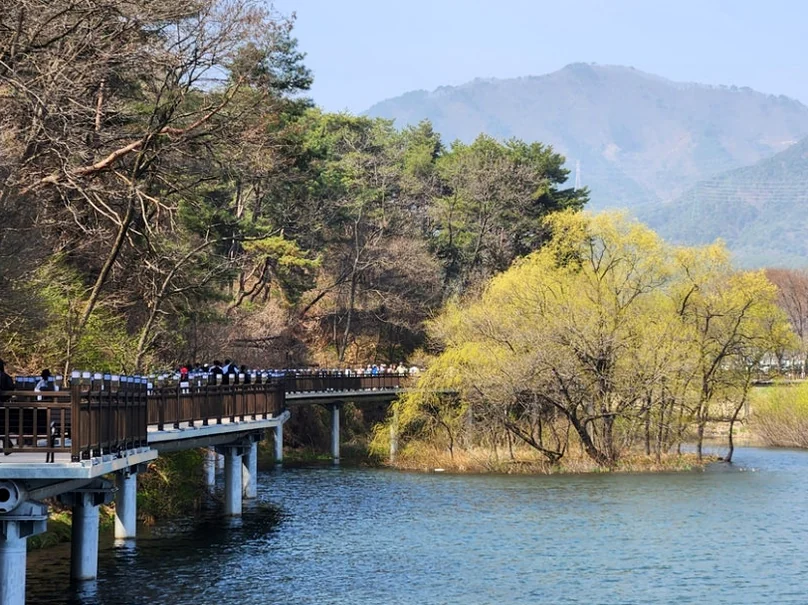
For those seeking a more measured pace, the wooden deck walkways offer a spatial flow that skims the surface of the reservoir. Here, one can witness yun-seul—the ephemeral glisten of sunlight upon ripples—a sight that has remained unchanged for two millennia. Whether observing the vintage swan boats or the intricate moss-covered stones near the cascade, the engineering remains a testament to human ingenuity. It is a rare privilege to witness a functional antiquity that still serves its community while providing such a profound aesthetic experience.
Navigating the culinary heritage and luxury retreats of Jecheon
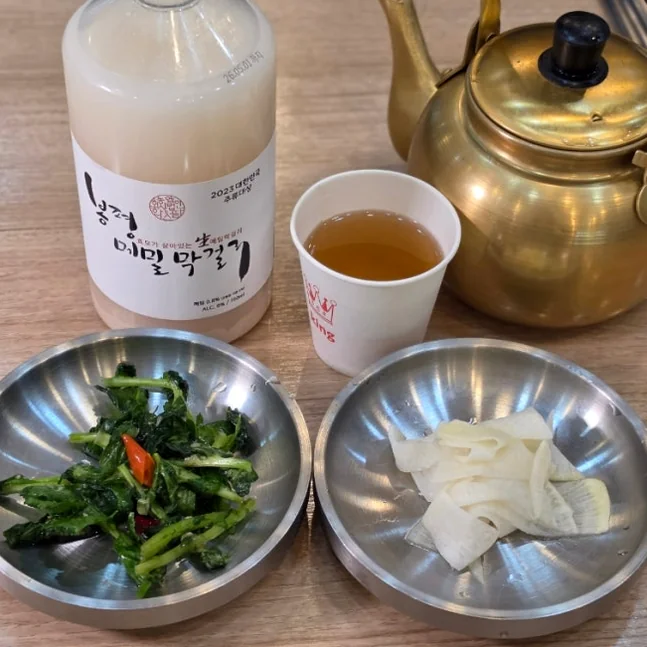
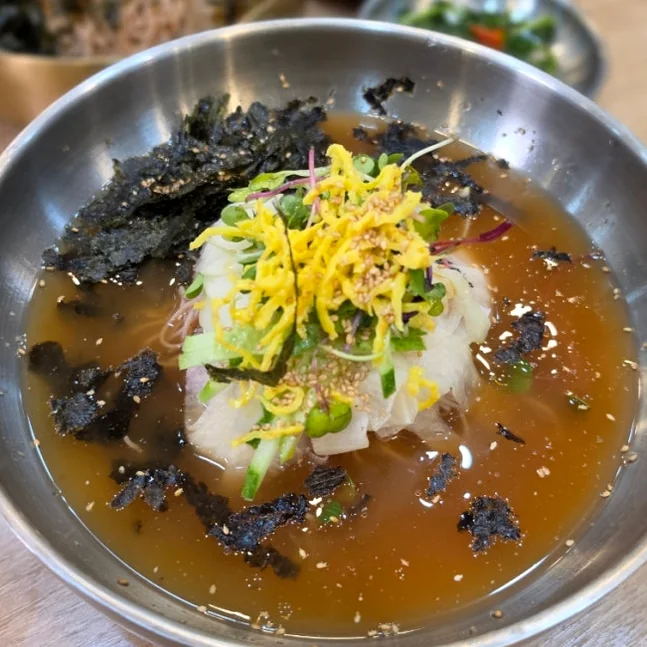
The acquisition of local flavor in Jecheon is an essential chapter of the journey. The region's dedication to Sun-memil, or pure buckwheat, reflects a commitment to gastronomic integrity. The cold buckwheat noodles serve as a revelation of rustic texture, their nuttiness providing a sophisticated contrast to the smoky depth of traditional jokbal. When served in brassware alongside a carafe of regional makgeolli, the meal becomes a sensory map of the province, grounding the traveler in the terroir of Chungcheongbuk-do.
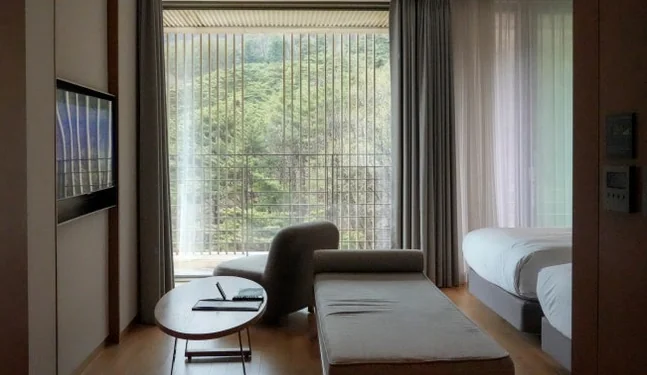
To conclude this immersion, a retreat to the architectural embrace of Restree Resom is paramount. The suite interiors are designed to dissolve the boundaries between the living space and the dense, surrounding forest. Large-scale windows frame the verdant valleys, allowing the landscape to become the primary decor. It is in this intersection of ancient hydraulic wonder, traditional culinary artistry, and contemporary luxury that Jecheon reveals itself as a premier destination for those who demand depth from their travels.
Final Thoughts & FAQ
What is the best time to visit Uirimji?
The transition from mid-April to May offers the most compelling visual palette as new greenery emerges. While morning mist provides an ethereal quality, the twilight hours are essential for witnessing the seasonal media facade and the illuminated drama of the falls.
How much are the duck boats at Uirimji?
| Boat Capacity | Occupancy Details | Price (30 min) |
|---|---|---|
| 3-Seater | 2 Adults + 1 Child | 19,000 KRW |
| 4-Seater | 4 Adults | 22,000 KRW |
| 5-Seater | 4 Adults + 1 Child | 24,000 KRW |
Are there family-friendly facilities nearby?
The Uirimji Parkland offers a nostalgic, vintage amusement experience that contrasts beautifully with the historical site. For a deeper intellectual engagement, the Uirimji History Museum provides an authoritative exploration of the reservoir's ancient engineering and cultural significance.
📅 Local Weather Guide
Chungcheong Weather🌐 Read this post in other languages:
• 🇯🇵 日本語版 (Japanese Version)
Join the conversation