A Sanctuary of Scholarly Grace: Exploring the Timeless Otgol Village in Daegu
The Architectural Pulse of Heritage 🏛️
| Feature | Description |
|---|---|
| Heritage Designation | National Folklore Cultural Heritage No. 261 & Registered Cultural Heritage No. 268 |
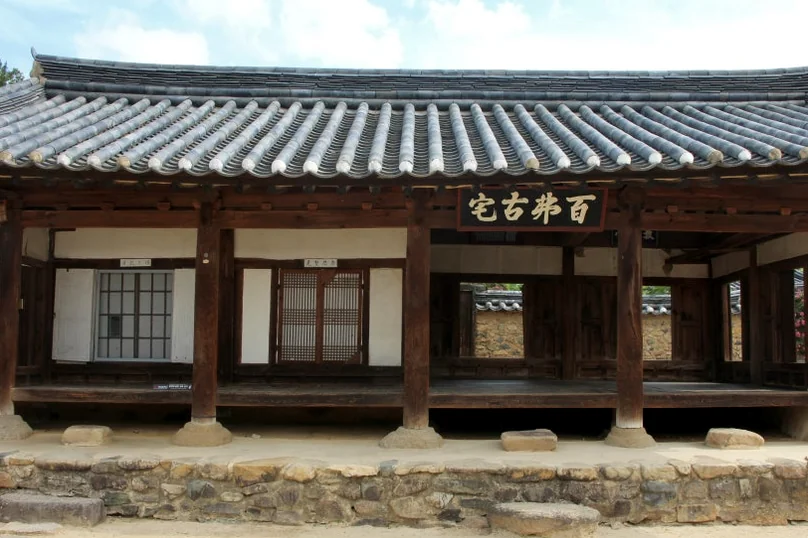
| Signature Architecture | Baekbul-go-taek, the oldest traditional residence in Daegu (est. 1630) |
| Natural Landscape | Bibo-sup forest and 400-year-old Scholar Trees (Hoe-hwa-namu) |
| Access Information | Conveniently located near the Dunsan Interchange with ample free parking |
A Threshold Between Eras: The Whisper of Ancient Stone Walls 🧱
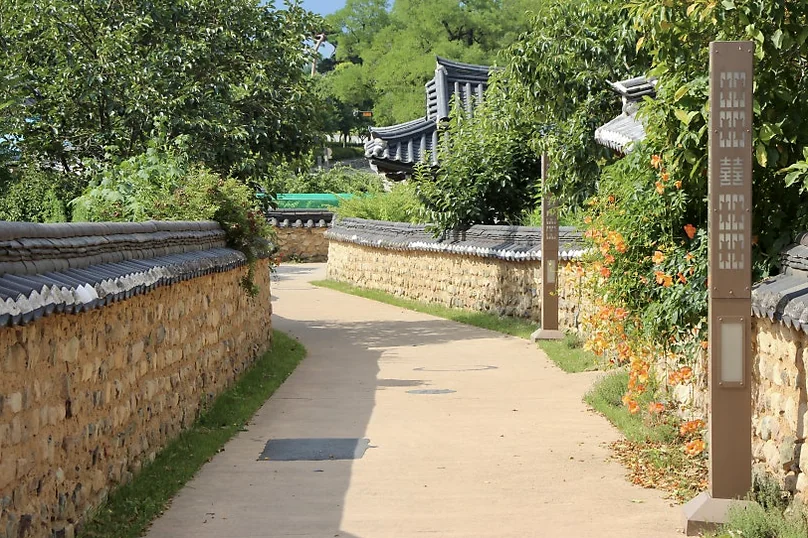
To experience Otgol Village is to step across a profound meridian, leaving the frantic pulse of Daegu for a world defined by the rhythmic stillness of the 17th century. This ancestral seat of the Gyeongju Choi clan, established in 1616 by the scholar Choi Dong-jip, stands as a tangible legacy of the Joseon Dynasty's intellectual rigor. While the name Otgol originates from the lacquer trees that once defined the valley, the modern visual identity of this enclave is anchored by its exceptional stone and earthen walls. Stretching for over two kilometers, these designated national treasures guide the discerning visitor through a labyrinth of history, offering a quiet, grounding presence that few modern spaces can replicate.
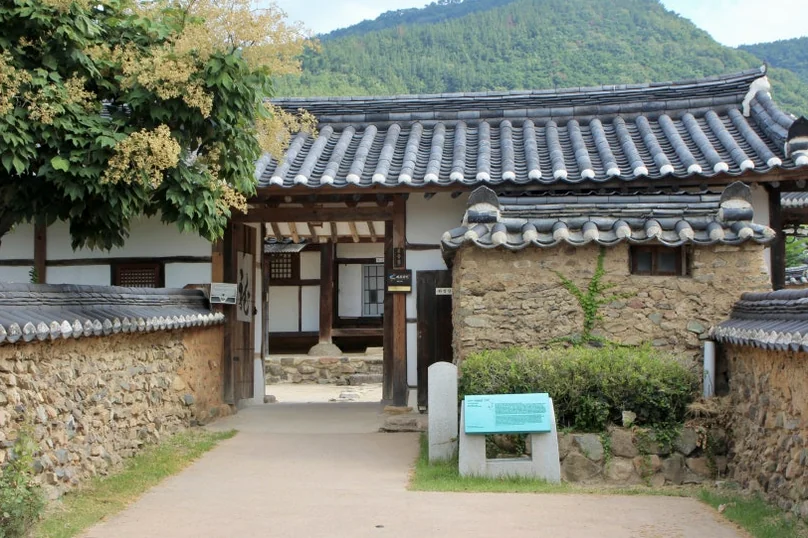
The prevailing atmosphere is one of go-jeok-ha-da—a specific Korean tranquility that feels both ancient and profoundly restorative. At the village threshold, two massive Scholar Trees serve as living sentinels, their gnarled forms representing the intellectual endurance of the clan. Beyond them, the Bibo-sup forest acts as both a physical barrier against the elements and a spiritual shield, harmonizing the settlement with the surrounding topography. The air here, enriched by the scent of damp earth and ancient timber, serves as a sensory reminder that Otgol is not a dormant archive but a living community where the echoes of the past remain remarkably audible.
The Architecture of Practicality: Exploring Baekbul-go-taek and Bobondang 📜
At the apex of this historic settlement lies Baekbul-go-taek, the oldest traditional residence in the Daegu region. The main hall, dating to 1630, is a compelling study in the Joseon scholarly aesthetic, where functional integrity is favored over ostentatious display. The weathered timber pillars and the sweeping geometry of the tiled roofs reflect a deep reverence for natural form. Every element of the layout is curated to facilitate both the privacy of the clan and the public duties of a scholar-official, creating an expansive dialogue between the interior courtyards and the surrounding mountain silhouettes.
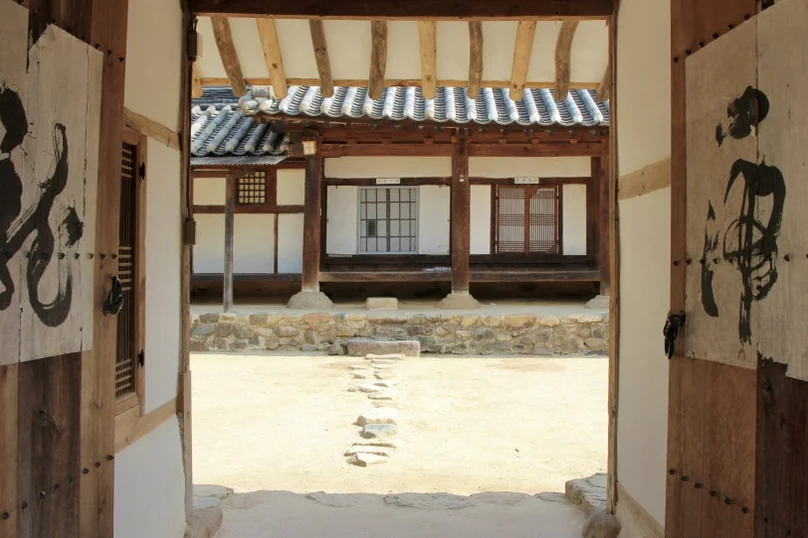
The intellectual weight of the village is most palpable at Bobondang. This site served as the scholarly laboratory where the preliminary revisions of the Bangye Surok—a cornerstone of Silhak philosophy—were finalized. Standing within the shadow of this structure, one gains an appreciation for how design was utilized to foster contemplation and academic rigor. The subtle interplay of light across the paper-screen doors provides a meditative backdrop, highlighting the intersection of philosophy and architecture that defines the Gyeongju Choi legacy.
Seasonal Rhythms: From Plum Blossoms to Trumpet Vines 🌸
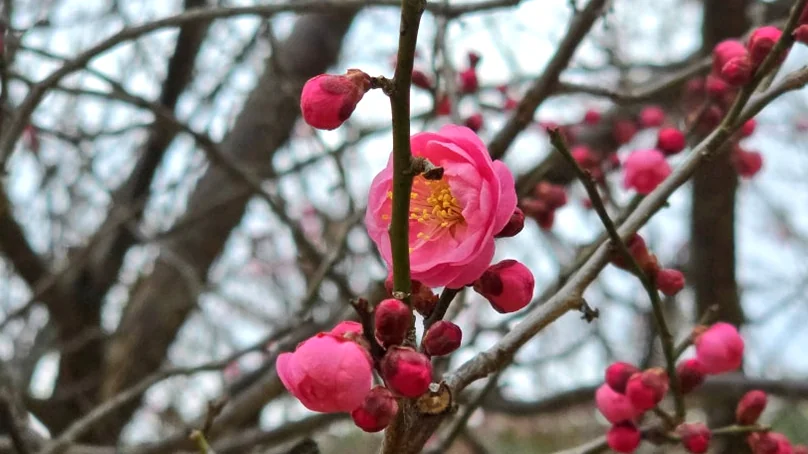
The aesthetic of Otgol Village is a chameleonic masterpiece that evolves with the lunar cycle. In the transition from late winter to early spring, the village awakens with the arrival of plum blossoms. These blooms, celebrated in traditional ink paintings for their resilience, offer a delicate counterpoint to the rugged textures of the sun-baked clay walls. As the season matures, the emergence of yellow forsythia over the stone boundaries signals a definitive shift in the landscape, creating fleeting moments of vibrancy that capture the essence of a traditional Korean spring.
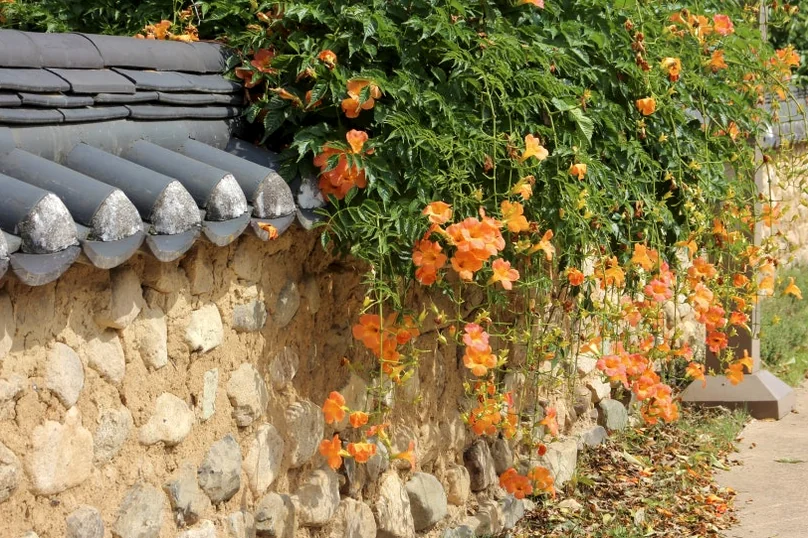
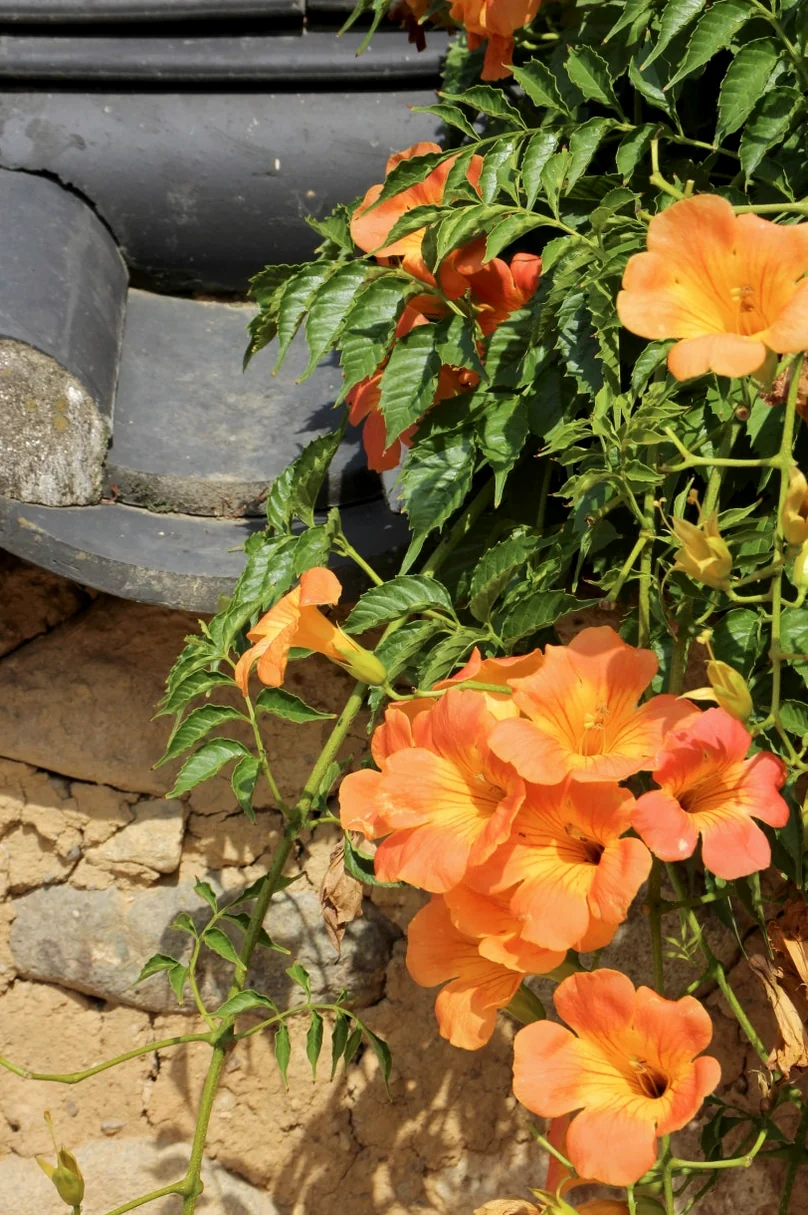
Summer transforms the village into a stage for the bold and the vibrant. The fiery orange of trumpet vines cascades over dark tiled roofs, a signature visual that has become synonymous with the village's identity. This is followed by the magenta brilliance of crape myrtles, particularly around the Bobondang and local shrines. For those seeking a quintessentially Korean experience, the sight of cherry blossoms fluttering against ancient Hanok gates provides a sophisticated narrative that rivals any heritage site on the peninsula.
Culinary Heritage: Authentic Flavors of the Clan Enclave 🍴
The journey through Otgol is incomplete without experiencing the culinary traditions that have sustained this lineage for generations. Near the entrance, the Doldam-gil Restaurant offers a refined interpretation of rustic Korean hospitality. The menu focuses on the purity of ingredients, presenting dishes like Janchi-guksu and hearty stews that reflect the agrarian roots of the region. This is gastronomy stripped of pretense, emphasizing the deep, authentic flavors of the land.

The hallmark of the local table is the Hanwoo Gukbap, a masterclass in slow cooking that utilizes premium Korean beef and mountain-sourced vegetables. Simmered for hours to achieve a restorative depth, the soup is served in traditional brassware to honor the ritual of the meal. Whether one is enjoying a cooling glass of Sikhye at Cafe Momi or a bowl of savory broth, the culinary experience at Otgol serves as an essential extension of its cultural narrative, offering a taste of a legacy that continues to thrive.
Director K's Final Perspectives 🏛️
The logistics of heritage: How should one approach the journey to Otgol?
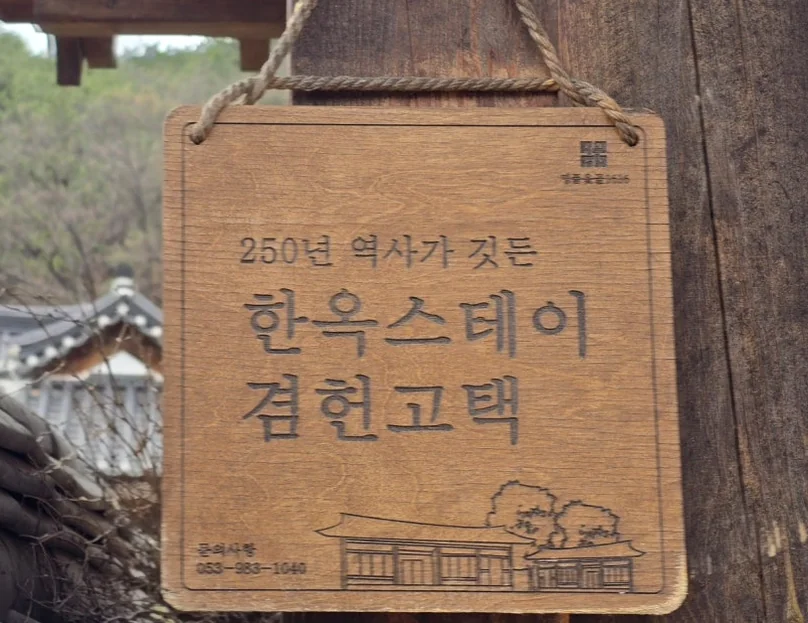
The most seamless transit is via private car or taxi, facilitated by the recent opening of the Dunsan Interchange which connects the modern world directly to this ancient enclave. While public transport exists, the directness of a taxi from the nearest subway station preserves the quiet anticipation required for such a visit. For a truly immersive experience, acquiring a reservation for a Hanok Stay via the official portal is highly recommended.
What are the protocols for visiting a living clan village?
One must remember that Otgol is not a static museum but a sanctuary for its residents. Maintaining a respectful volume and adhering to the 09:00 - 18:00 visiting window for historic residences is essential. There is no admission fee, yet the true cost of entry is a commitment to the preservation of the village's dignified stillness.
When does the village reach its aesthetic peak for photography?
While the mid-summer trumpet vines are widely celebrated, the sophisticated traveler will find the subtle plum blossoms of March or the golden foliage of October to be more compelling. The low angle of the afternoon sun is particularly exceptional for capturing the intricate textures of the National Registered Cultural Heritage stone walls, providing the depth necessary for high-end editorial imagery.
📅 Local Weather Guide
Gyeongsang Weather🌐 Read this post in other languages:
• 🇯🇵 日本語版 (Japanese Version)
Join the conversation